
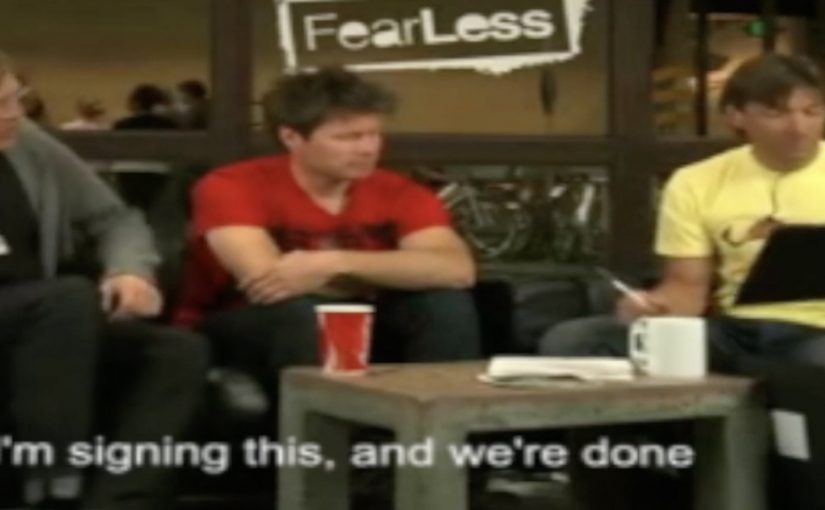
TwentyThree is a new advertising shop out of Tel Aviv, and its first Cannes case film is not built on a traditional client brief. It is built on a provocation aimed directly at Alex Bogusky.
The case story describes a “kidnapped” Facebook presence and a ransom-style video with a single demand. Bogusky should buy 1% of the agency. The stunt then becomes the work.
How the stunt works as a Cannes-ready case
The mechanics are blunt and easy to retell. Insert a famous name, create a public pressure point on a social platform, and package the payoff into a short case video that can travel on its own. A Cannes case film is a short explainer that compresses the idea, the build, and the effect into a judge-friendly narrative.
In global advertising and brand teams, self-promotional stunts like this are often less about the stunt itself and more about converting attention into credibility during award and new-business cycles.
Why it lands
It borrows the logic of “hacking” without requiring the audience to understand any technical detail. A recognisable target and a simple, specific ask make the story sticky. Because the platform is familiar and the ask is weirdly concrete, people can summarise it in one sentence and pass it on.
Extractable takeaway: If you want a self-promotional idea to spread, make the plot summarizable, make the stakes specific, and make the proof portable. Then ensure the case video can explain the whole thing without extra context.
What TwentyThree is really buying
The real currency here is not the 1% demand. It is the borrowed spotlight. By pulling a well-known creative leader into the narrative, the agency effectively rents fame long enough to be noticed, discussed, and remembered, and then uses that momentum to justify a Cannes entry.
The real question is whether borrowed fame creates durable credibility or just a burst of noise. This kind of stunt works best as a visibility lever, not as a substitute for substance.
What to borrow from the 1% ransom
- Design for retellability. If the idea cannot be repeated cleanly in a sentence, it will not travel far.
- Make the “ask” tangible. Specific stakes beat vague provocations every time.
- Ship a proof asset early. A tight case video or demo clip becomes the distribution unit.
- Separate drama from damage. If your concept relies on impersonation, hijacking, or unauthorised access, the risk profile changes fast.
A few fast answers before you act
What is the core idea in this case?
Turn a self-promotional stunt into a story with a famous named character, then package it as a case film suitable for award consideration.
Why does a “ransom” framing spread so easily?
It creates a clear conflict, a single demand, and a built-in “what happens next” hook. Those are the ingredients people instinctively share.
What makes something feel Cannes-ready even when it is self-promo?
A clean mechanic, visible proof, and a narrative that signals craft and intent. Judges still need clarity on what happened and why it mattered.
Should a self-promotional stunt always involve a famous target?
No. A famous target helps compress the story fast, but the more durable advantage is a recognisable tension people can retell without explanation.
What is the biggest practical risk with this style of stunt?
Anything that resembles hijacking or unauthorised access can trigger platform action, legal exposure, or reputational blowback. The upside is attention. The downside can be permanent.