A balloon that turns “DM” into a moment
Here is a direct mailing done for Chubb Nord-Alarm Security Systems by an agency in Germany called Philipp und Keuntje. “Hardcore DM” here simply means direct mail that commits to a physical object. Not a brochure with a clever headline, but a mailed item that changes the mood of a room the second you notice it.
The mechanics behind the balloon
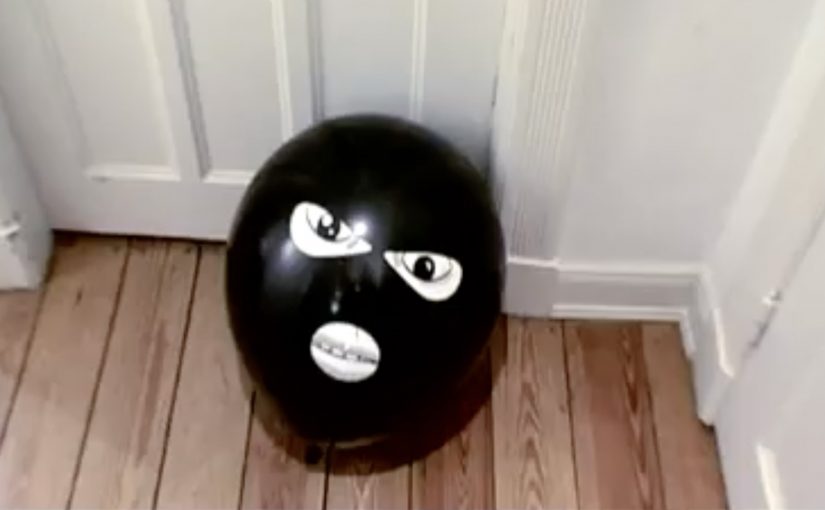
The piece centers on a black balloon printed with a face. It is simple, low-tech, and instantly legible as “something is here” once it is out of the envelope and in your space.
That works because the object turns a printed message into an intrusion cue the recipient experiences in real space.
In European direct marketing, physical mail earns attention when the object itself carries the idea and the reveal happens in the recipient’s hands.
Earlier this year, “Balloon” received major award recognition in direct mail and ambient-style media, which matches what it is doing: turning a familiar household item into a trigger.
Why this lands in the hallway
Security is a category where attention is driven by felt risk, not feature lists. A balloon with a face works because it creates a tiny, harmless violation of normality. That emotional jolt is the message.
Extractable takeaway: If your product protects people, make the first touchpoint feel like the problem entering the room. Then let the brand arrive as the solution.
What it is trying to sell
The business intent is straightforward: make “intrusion” visceral, then attach that feeling to the brand name so the next step, quote request, call-back, or site visit, feels justified rather than optional.
The real question is whether the mailer can make intrusion feel immediate before the brand makes its sales case.
This is strong direct mail because the object does the persuasion before the copy starts.
What to steal for your next direct-mail drop
- Choose an object people already understand. The less explanation needed, the more the brain focuses on meaning.
- Make the reveal tactile. If the recipient has to touch it, the message gets encoded as experience, not as copy.
- Keep the brand role clean. First create the “problem cue,” then let the brand be the relief.
- Design for shareability without asking for shares. If it looks strange in a home or office, it becomes a conversation starter.
A few fast answers before you act
What makes this “hardcore” direct mail?
It is not “hardcore” because it is expensive or complex. It is “hardcore” because it uses a physical object as the core idea, not as packaging around a printed message.
When does a tactile mailer beat digital?
When you need emotional comprehension fast, especially for categories tied to safety, risk, or trust. A physical cue can create a felt reaction in seconds, before rational evaluation starts.
How do you make direct mail feel like an experience?
Build the message into the object, not into a paragraph. Aim for a single action, a single reveal, and a single meaning the recipient can explain to someone else in one sentence.
How do you know the object is carrying the idea?
If the object still communicates the core tension before anyone reads supporting copy, it is doing the strategic work. If not, it is only decoration.
What are the common failure modes of stunt mail?
If the object needs a long note to explain it, it collapses. If the brand arrives too early, it feels like a gimmick. If the follow-up path is unclear, the attention does not convert.