
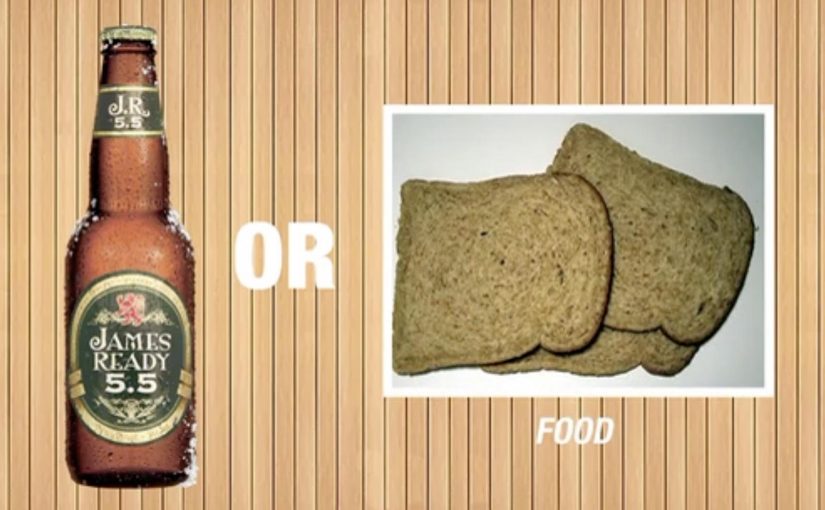
It’s a well-known fact. Students are relatively poor. They have to choose between spending their little money on beer or food, beer or books, and beer or transportation. So Leo Burnett Toronto created The James Ready Bar-Ter Campus Tour. A way for students to have both. Beer and other necessities.
Students were encouraged to spend their money on James Ready Beer, collect their beer caps, and trade the caps for semi-awesome and useful stuff like detergent, soap, mac n’ cheese, socks and so on.
In consumer brands that compete on price and habit, promotions work best when they turn a purchase into a practical ritual people want to repeat.
Beer caps as a campus currency
The idea is disarmingly straightforward. A beer cap becomes a token. Tokens become necessities. Suddenly the brand is not only the thing you buy for a night out, it is also the thing that helps you restock the basics you keep postponing.
Standalone takeaway: Bar-Ter succeeds because it reframes “cheap beer” as “smart trade.” It makes the buyer feel savvy, not broke.
How the Bar-Ter loop works
The loop is simple enough to explain in one breath. Buy beer. Keep caps. Swap caps for stuff you actually need. That simplicity matters because campus promotions only spread when the mechanic is instantly repeatable and easy to tell a friend.
It also builds a visible trail of participation. Caps pile up. People compare counts. The “currency” becomes social proof.
Why it lands with students
Students do not need another discount. They need a way to justify the purchase. Bar-Ter gives them that justification by attaching the brand to everyday utility. The prizes are not aspirational. They are deliberately ordinary, which makes the reward feel honest.
There is also a small psychological trick. Collecting caps turns spending into progress. Even if the reward is modest, the accumulation feels like getting somewhere.
What the brand is buying with this promotion
This is not only a giveaway. It is a loyalty habit built on a physical artefact. If you want the cap, you need the brand. If you want enough caps, you need repeat purchase. And because the redemption items are useful, the reward feels earned rather than random.
Industry listings later associated this work with awards recognition, which fits the pattern. A simple mechanic, strong cultural truth, and a clear behaviour change.
What to steal from Bar-Ter
- Turn packaging into a token. If the token is already in the product, you lower friction and increase repeat.
- Reward with utility, not luxury. Useful items make the promo feel like help, not hype.
- Make progress visible. Collecting is part of the satisfaction. Design the “pile up” effect.
- Keep the exchange rate legible. If people cannot quickly understand how to win, they will not try.
- Match the reward to the audience truth. The best prize is the one that feels tailored to their real life.
A few fast answers before you act
What is the James Ready Bar-Ter Campus Tour?
It is a student-focused promotion where people collect James Ready beer caps and trade them for everyday essentials like detergent, soap, mac n’ cheese, and socks.
Why use caps instead of coupons?
Caps are physical proof of purchase that naturally accumulate. They make participation visible and social, and they create a repeat-buy loop without requiring people to track paper discounts.
What makes this kind of promotion feel “smart” rather than cheap?
Utility rewards. When the payoff is something you genuinely need, the purchase feels justified and the brand feels practical rather than desperate.
What’s the biggest risk with token-based promotions?
Redemption friction. If the exchange process is unclear, inconvenient, or understocked, the promotion becomes frustration and the brand takes the blame.
How can a non-beer brand adapt this idea?
Use a built-in product element as the token and exchange it for items that reduce your audience’s everyday pain. The token must be easy to collect and the reward must be meaningfully useful.