
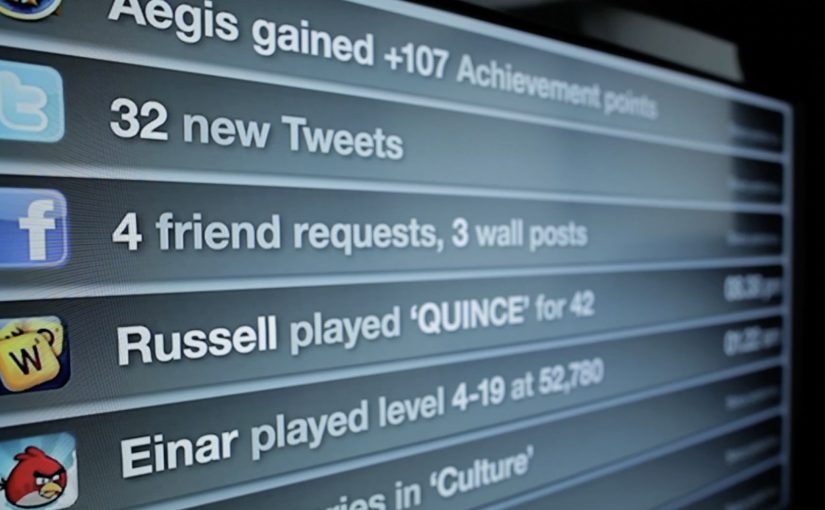
Dentsu London has made two films with BERG as part of an ongoing collaboration to bring their “Making Future Magic” strategy to life. Both films treat the growing number and variety of media surfaces as a canvas.
Here, “media surfaces” means everyday objects and touchpoints that can carry useful information without behaving like traditional screens or ads.
Incidental Media sketches a near future where media surfaces are everywhere, but used to be playful, informative, and better at connecting you to friends and family.
The Journey shifts the same thinking into travel, focusing on opportunities in stations and on trains.
What the “media surfaces” idea actually proposes
The mechanic is a design-fiction approach. Instead of inventing new hardware, the films show existing surfaces behaving differently. Receipts, windows, clocks, tickets, and public displays become quieter, more contextual, and more useful. Small pieces of information appear where they help, then fade back into the background.
In urban, mobile-first consumer environments, the most effective ambient media tends to be context-aware, lightweight, and respectful of attention.
Why it lands
It feels plausible because it is built from things we already recognize. The films do not pitch a sci-fi leap. They demonstrate a series of small shifts in how content could live on everyday surfaces, and that makes the future feel “next door” rather than distant.
Extractable takeaway: If you want people to believe a future-facing strategy, show it as a set of concrete, everyday interactions on familiar surfaces. Keep the behaviors small, specific, and repeatable.
What Dentsu London is really doing with this work
This is strategy communication as an artifact. The films give teams and clients a shared mental model for what “Making Future Magic” could mean in practice, and they do it in a format that is easy to circulate, discuss, and reuse in planning conversations.
The real question is how you make a future-facing strategy tangible enough that teams and clients can picture it, discuss it, and reuse it.
This is a stronger way to communicate future experience thinking than leaving it as abstract language in a deck.
How to make future concepts feel usable
- Show, then explain. Start with a believable vignette before you introduce principles.
- Use familiar surfaces. Credibility rises when the canvas is already part of everyday life.
- Prioritize quiet utility. Ambient media works best when it helps without demanding constant input.
- Design for context shifts. Travel, waiting, and transition moments are rich canvases for information that matters.
A few fast answers before you act
What is “Incidental Media” in one sentence?
A near-future sketch where everyday surfaces carry small, useful pieces of media that are playful and contextual rather than loud and interruptive.
What does “The Journey” focus on?
Travel contexts like stations and trains, showing how ambient, contextual media could reduce friction and improve the experience of moving through transport systems.
Why use concept films instead of a written strategy deck?
Because films make the future tangible. They align teams faster by letting everyone see the same interactions, not just read abstractions.
Why does this future feel believable instead of sci-fi?
Because the films build from ordinary surfaces and small behavior shifts. That makes the idea feel adjacent to current life rather than dependent on a radical technology jump.
What is the main risk in copying this approach?
Staying too high-level. If the vignettes are not specific enough to feel real, the work becomes mood, not a usable model for decisions.