
Oishi Green Tea: Boobs and Tea

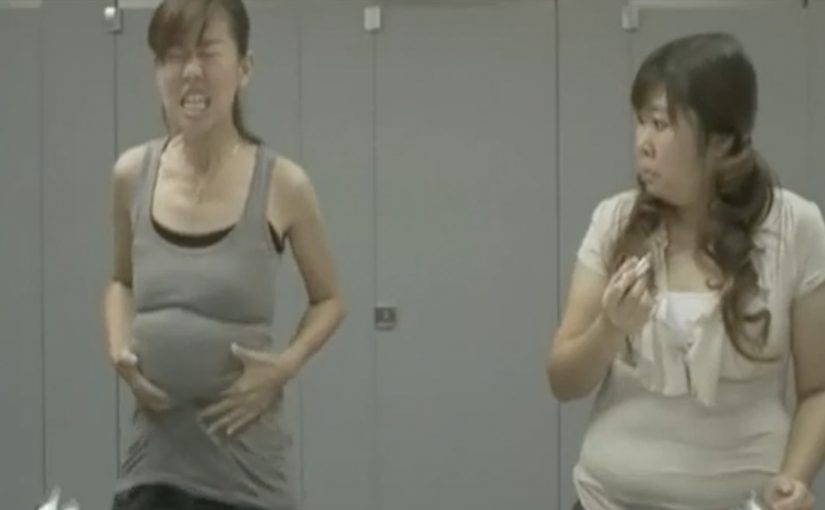
This Thai TV commercial is for Oishi Green Tea, and it plays with a cheeky visual gag that links the drink to an exaggerated, attention-grabbing “benefit”. It is knowingly silly, and it uses that silliness to earn recall.

The visual gag at the center

The mechanism is classic comedic advertising. Set up a normal scene, introduce a sudden, unexpected twist, then let the audience do the interpretation. The product stays simple. The story does the heavy lifting.

In mass-market FMCG beverage advertising, suggestive humor is often used as a shortcut for memorability when functional differences are hard to dramatize.

The real question is whether the brand stays simple enough for the joke to land in one glance, rather than letting the cheekiness become the whole point.

Why it lands

This works because it commits to one clear joke and delivers it fast. The “wait, did that just happen” moment creates the share impulse because surprise plus instant readability makes the scene easy to retell, even if you only half-watch it.

Extractable takeaway: If you want a low-budget TVC to stick, build around one instantly readable twist. Then keep everything else ordinary so the twist has contrast and impact.

What to steal for your own brand film

  • One gag, clean payoff. A single idea executed clearly beats layered cleverness in short-form film.
  • Contrast is the engine. Ordinary setup plus unexpected shift is what makes the moment pop.
  • Do not over-claim. Let the audience infer the “benefit” as a joke instead of stating it as fact.
  • Make it retellable. If someone can summarize it in one sentence, it travels.

A few fast answers before you act

What is this ad doing in one sentence?

Using a cheeky, suggestive visual gag to make Oishi Green Tea memorable and talk-worthy.

Why does suggestive humor work in beverage ads?

It creates instant attention and recall, especially when the product itself is not visually dramatic.

What is the main creative discipline here?

Clarity. The twist has to read immediately, or the joke collapses.

What is the biggest risk with this style?

Backlash or misinterpretation if the tone feels crass, or if the “implied benefit” is read as a real claim rather than a joke.

What makes this kind of ad easy to share?

A single readable twist makes the film easy to retell in one sentence, which helps it travel beyond the first viewing.
Viagra: 10th Anniversary Film

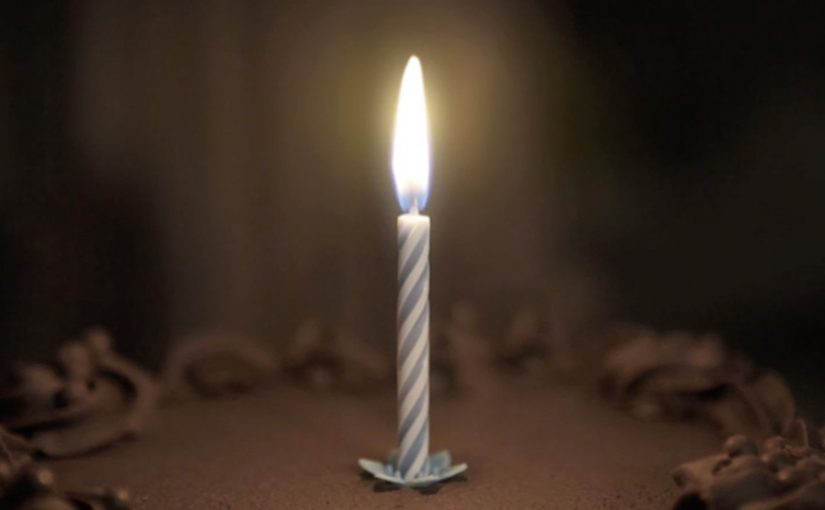
Here’s a short film created to mark the tenth anniversary of Viagra. It treats the milestone as permission to be lighter, and to let the brand’s cultural familiarity do some of the work.

Rather than explaining features, the film leans into the celebratory occasion and a knowingly cheeky tone, the kind of “you know what we mean” approach that anniversary advertising often invites.

A milestone used as creative permission

The mechanic is straightforward. Pick a round-number anniversary. Publish a single, easily shareable film that frames longevity as relevance, and uses humor to make the brand feel present in everyday conversation again.

In mass-market healthcare brands, milestone campaigns are one of the few moments where a tightly regulated category can still feel culturally current without over-explaining the product.

Why it lands

It works because anniversaries come with built-in narrative structure. Celebration signals trust and staying power, and the wink of humor lowers resistance. People are more willing to share an “occasion” film than an “ad”, especially when the joke is easy to retell without needing context.

Extractable takeaway: If your category is hard to make interesting, use a milestone as the hook. Then build one clear comedic idea that communicates “we’ve been here a long time” without turning into a brochure.

What the brand is really buying

The real question is how to make a familiar, regulated brand feel culturally present again without turning the work into product explanation.

This is strong anniversary advertising because it uses the occasion to reopen conversation, not to overload the audience with explanation.

This kind of film is optimized for talk value, meaning it gives people a light, socially acceptable reason to mention the brand. It keeps the brand top-of-mind, reinforces legitimacy through age and familiarity, and avoids a heavy sales posture.

What to steal for your own “birthday” work

  • Make the occasion the headline. A milestone is a story people recognize instantly.
  • Write one joke, not ten. A single clean gag travels further than layered cleverness.
  • Keep the brand cue unmistakable. If people remember the joke but not the brand, you rented attention.
  • Respect category boundaries. In regulated spaces, humor still needs to be compliant and careful.

A few fast answers before you act

What is this piece of work in one line?

A short anniversary film that uses a tenth birthday milestone to refresh attention around the Viagra brand through humor and cultural familiarity.

Why do anniversary ads get shared more than product ads?

Because they feel like “news” or a cultural moment, not a sales message. The occasion gives people a socially comfortable reason to pass it along.

What is the main strategic benefit?

Top-of-mind reinforcement through a light, memorable artifact that signals longevity and relevance.

What is the most common failure mode?

Over-indexing on the gag. If the brand cue is weak, the audience remembers the joke and forgets who paid for it.

When is a milestone campaign the wrong idea?

It is the wrong idea when the anniversary is doing all the work and the creative thought is weak. The occasion can open the door, but it still needs one clear, memorable idea to carry the brand.