
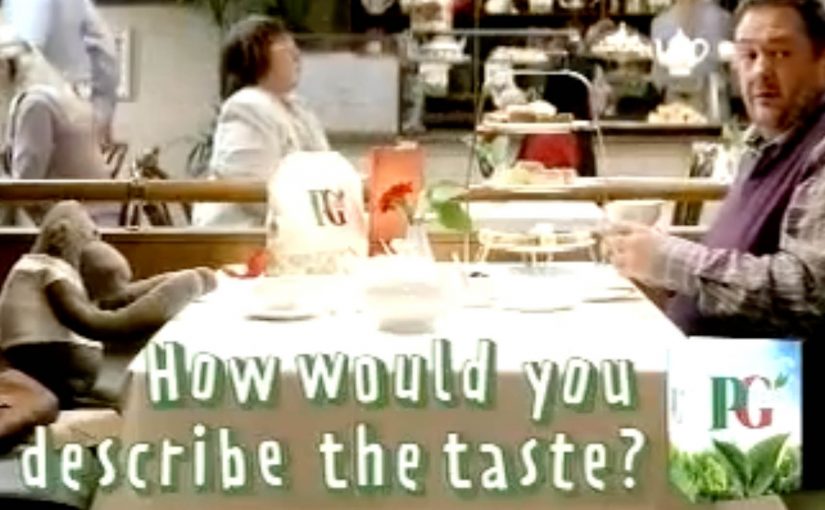
PG Tips: Monkey Mimics Meg Ryan

Borrowing a famous scene to earn instant recognition

Johnny Vegas and Monkey recreate the famous “fake orgasm” scene from When Harry Met Sally, in the latest spot for PG Tips teabags.

How the idea works: pop-culture as a shortcut

The mechanism is simple. Pick a scene the audience already knows, then swap in your characters so the viewer does the pattern matching for you. Recognition arrives fast, and the ad gets a free head start on attention.

In UK FMCG advertising, parody can be a high-efficiency device because it compresses setup time. The viewer brings the context, the brand supplies the twist.

Why it lands: shared memory plus character chemistry

It works because the reference is collective. People enjoy being “in on it”, and the PG Tips Monkey plus Johnny Vegas dynamic makes the imitation feel playful rather than forced.

Extractable takeaway: If the audience supplies the context, your job is to make the brand-owned twist the reason the scene is worth remembering.

The business intent: make a commodity feel culturally present

Teabags are not a high-involvement product. So the job is distinctiveness. This approach uses humour and familiar cultural material to make the brand easier to remember and easier to talk about.

The real question is whether the reference makes the brand more distinctive, or just more familiar for a moment.

If you cannot make the twist brand-owned. Meaning it only works with your brand’s characters or point of view. Do not run the parody.

How to use parody without becoming a copycat

  • Choose a reference your audience actually shares. If recognition fails, the ad becomes confusing.
  • Make the twist brand-owned. Do not just recreate. Add a character or behaviour only your brand can deliver.
  • Keep the pacing tight. Parody works best when the “aha” arrives quickly.
  • Use comedy to increase recall, not distract from it. The laugh should point back to the brand.

A few fast answers before you act

What is this PG Tips ad doing?

It parodies a famous scene from “When Harry Met Sally” by recreating it with the PG Tips Monkey and Johnny Vegas to earn instant recognition and humour.

What is the core mechanism?

Pop-culture as a shortcut. The viewer brings the context, and the brand supplies the twist, so attention arrives faster than a fresh setup would allow.

Why does parody help memory when it is done well?

Recognition creates a quick “I know this” moment, and the shared reference makes the ad feel culturally present rather than purely commercial.

What is the risk to manage with parody?

If the reference overwhelms the brand, the audience remembers the scene but forgets the advertiser. The twist must be brand-owned.

What is the most transferable takeaway?

Choose a reference your audience truly shares, deliver the “aha” quickly, and make the brand-specific twist the reason the parody exists.
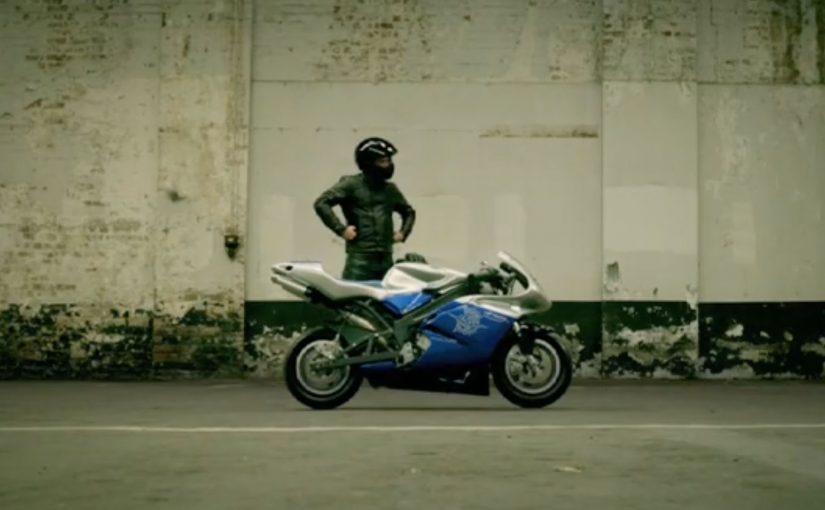
Yamaha: Coast

A TV spot built around one clean optical trick

A neat optical illusion by Clemenger BBDO Adelaide for the TV ad.

How it works: perception as the hook

The mechanism is simple. The viewer’s brain tries to resolve what it is seeing, then the illusion “clicks” and the ad earns a second look. That moment of resolution does the heavy lifting. It buys attention without shouting for it.

In mass-reach brand communication, perceptual puzzles can act as a fast attention magnet because they create a micro-challenge the viewer wants to complete.

The real question is whether a single perceptual device can earn attention at scale without weakening the brand’s premium cues.

Why it lands: the viewer completes the experience

Optical illusions work because they recruit the viewer’s pattern recognition. You are not just watching. You are solving. That tiny sense of participation creates a stronger memory trace than a standard montage of claims. Here, “memory trace” just means how likely the viewer is to recall the ad and brand later.

Extractable takeaway: If you can make the viewer do one tiny piece of perceptual work, you can earn attention and memory without adding noise.

The business intent: make the brand feel smart and premium

Using a clean visual device signals confidence. It suggests craft, control, and intelligence. The brand benefits from the association: if the ad is clever and precise, the product inherits some of that perceived quality.

This approach is strongest when you want mass attention but need the brand to feel calm and premium.

Practical takeaways from a one-device illusion ad

  • Use one primary device. A single clear trick beats three competing ideas.
  • Design for the “click” moment. Structure the reveal so the viewer feels the resolution, not just sees it.
  • Keep the frame uncluttered. Illusions need visual discipline to land quickly.
  • Let craft do the persuasion. A well-executed device can communicate confidence better than copy.

A few fast answers before you act

What is the core creative idea in “Yamaha: Coast”?

A TV spot built around a single optical illusion that creates an “aha” moment and earns a second look through perceptual surprise.

What is the core mechanism?

A perceptual puzzle. The viewer’s brain tries to resolve what it is seeing, and the moment the illusion “clicks” becomes the engagement engine.

Why do optical illusions increase attention?

They create a micro-challenge the viewer wants to complete. That small participation moment makes the experience more memorable than a standard claim-led montage.

What is the business intent of using a clean visual trick?

To signal craft and confidence, and transfer a sense of intelligence and premium precision from the ad to the brand.

What is the most transferable takeaway?

Use one primary device, design for a clear “click” moment, and keep the frame disciplined so the effect lands instantly.