
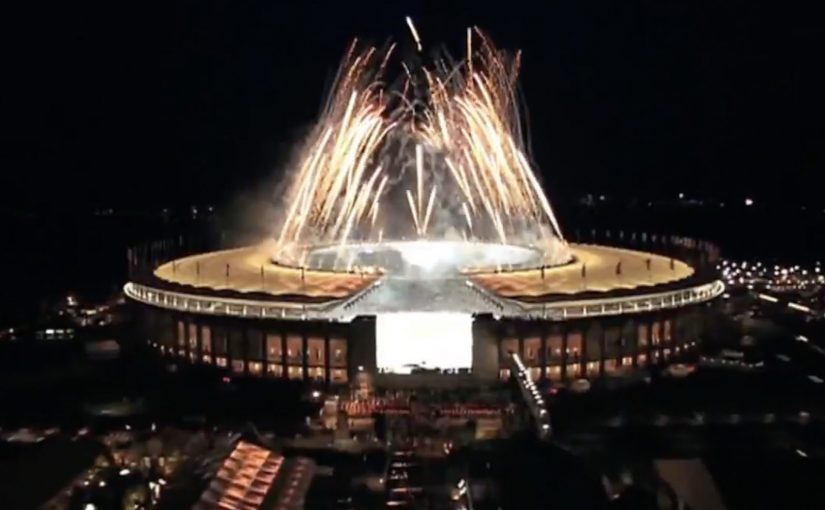
As the World Cup draws to an end this weekend, it feels like a good time to share this ad that captures how this has been that one month, every four years, when we all agree on one thing.
A simple idea, delivered as a fast montage
The spot stacks up all the things people argue about, then flips the frame to the one shared obsession that temporarily overrides the noise. It is not trying to explain football. It is using football as a shortcut to “we are together for a moment.”
In global sports media, the World Cup is one of the rare moments when mass audiences synchronise attention across borders.
The real question is whether your “we” message can hitch itself to a ritual your audience already shares, without the brand feeling like it is forcing the moment.
Why it lands
It works because the insight is instantly recognisable. You do not need to know the teams or the fixtures to feel the shift from division to collective focus. The edit pace does the persuasion, not a long script.
Extractable takeaway: When you want a “unity” message to travel, anchor it in a shared ritual people already practice, then use rhythm and contrast to make the emotional pivot feel inevitable. By a shared ritual, I mean a repeated moment your audience already participates in without you.
What this kind of creative is good for
These films are less about persuasion and more about permission. They legitimise heightened emotion. They give viewers a line they can borrow to describe what they are already feeling. That is why they get replayed and quoted during the tournament run-in.
A unity film earns trust only when it starts from a real, shared behaviour.
What to borrow from ESPN’s United montage
- Lead with contrast. Show everyday division first, then pivot hard into the shared ritual.
- Let edit pace do the work. Rhythm and montage can replace exposition when the insight is universal.
- Anchor unity in something real. A credible collective behaviour beats abstract “togetherness” claims.
- End on one clean line. A short, repeatable framing gives viewers language to share the feeling.
A few fast answers before you act
What is this ad doing in one sentence?
It contrasts everyday disagreement with a single shared passion, then frames the World Cup as a rare moment of collective unity.
Why is contrast more effective here than “inspiring” footage alone?
Because contrast creates a clear before-and-after. Viewers feel the pivot from fragmentation to togetherness instead of being told about it.
What makes a “unity” sports spot feel authentic?
It reflects real fan behaviour and real tension, then resolves it through a ritual people genuinely share, like watching, cheering, and arguing about football.
How do you adapt this structure outside sport?
Pick a moment where your audience already aligns, then show the everyday differences around it. The shared ritual must be more credible than the brand claim.
What should you avoid when copying this approach?
A generic “we are all one” message with no lived context. Without a specific ritual and a clear pivot, the film becomes wallpaper.