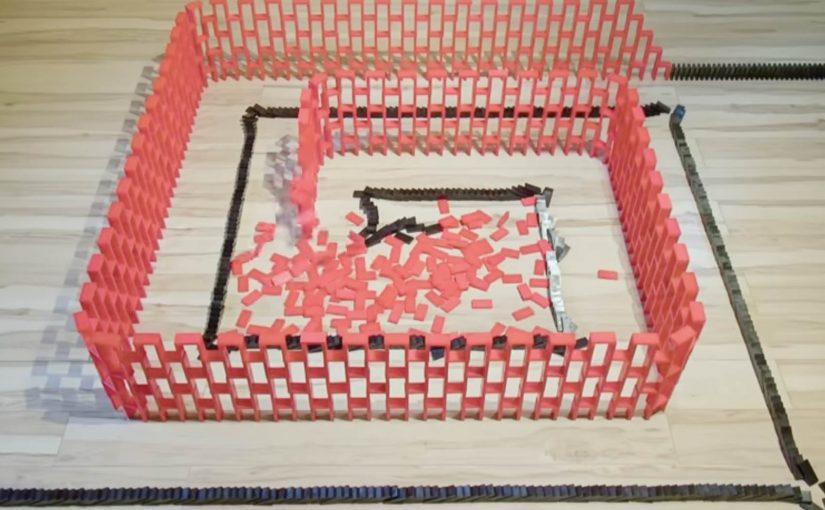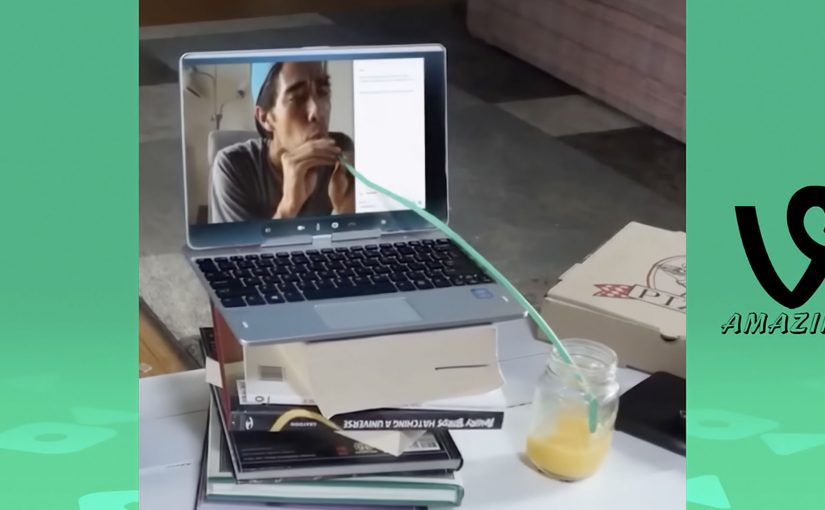
Filmmaker Zach King uses video editing to create six-second Vine clips that give the viewer the illusion of real magic. The charm is that the “trick” feels physical. Someone walks through a door that should not exist. Objects swap places mid-motion. Reality behaves like it has a hidden shortcut.
Here is a Vine compilation of some of Zach’s most mind-bending videos.
How the “magic” works
The mechanism is not supernatural, it is editorial craft. Most of these illusions rely on precise cut points, clean match movement, and staging that hides the seam. Here, the seam is the hidden join between two shots that the edit tries to conceal. A hand passes in front of the lens. A body turns. A prop blocks the frame for a split second. Then the edit swaps the world underneath. Because the hidden cut preserves the sense of continuous physical movement, the illusion feels real instead of purely digital.
In short-form social video, attention is measured in seconds, so the craft has to read instantly without explanation.
Why it lands
It works because the viewer gets a complete story in a tiny runtime. Each clip has a setup, a turn, and a payoff that you can replay immediately. The loop is the distribution mechanic. You rewatch to understand, you share to test whether others can spot the seam.
Extractable takeaway: When your format is ultra-short, stop thinking in “content minutes” and start thinking in “repeat value”. Build a moment that rewards a second view, because the second view is where sharing usually happens.
What this teaches about creative constraints
Six seconds is not a limitation, it is a design brief. You cannot waste frames on context, so the idea has to be visual and the reveal has to be unmissable. That forces discipline. One illusion, one beat, one clean exit.
The real question is how to turn a six-second constraint into a visual idea people want to replay and share.
What to steal from Vine-era illusion design
- Use motion as cover. If something moves across the frame, it can hide a transition.
- Design the loop. End on a pose or frame that makes the replay feel natural.
- Keep the rule simple. The best clips can be explained in one sentence, even if the execution is hard.
- Make the seam the curiosity. Viewers enjoy not knowing, as long as the payoff is satisfying.
A few fast answers before you act
What is a “Vine magic” video in this context?
A six-second clip that feels like real-world magic, but is achieved through precise editing, staging, and hidden transitions.
Why do these clips get replayed so often?
Because the viewer wants to spot the seam. Rewatching is part of the fun, and that behavior increases sharing.
What is the core creative structure behind most of these illusions?
A fast visual setup, a single impossible change, then a clean frame that lands the joke or surprise.
What should brands learn from this format?
Design for repeat value. A short clip that people replay and forward can outperform longer content that gets watched once.
How do you adapt this without copying the style?
Pick one visual transformation that expresses your message, then execute it with a clean transition that viewers instinctively want to replay.