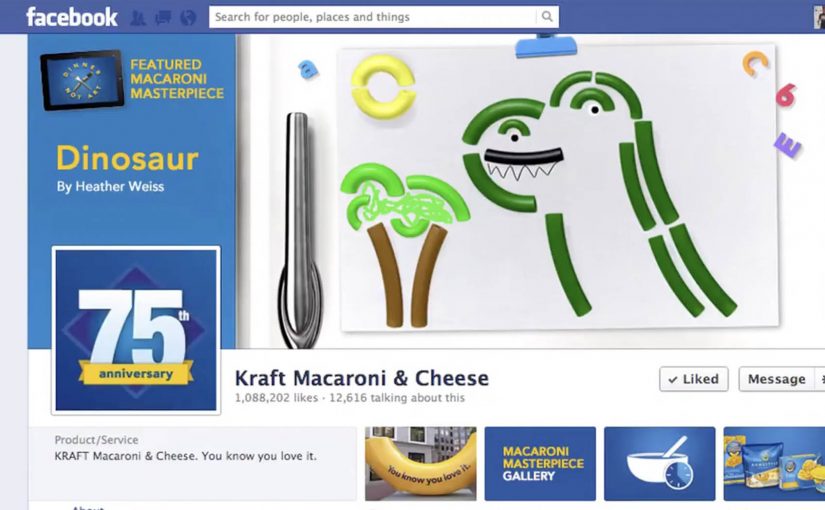
Kids the world over use Kraft’s macaroni noodles to create macaroni art. To stop wastage of its noodles, Kraft along with ad agency CP+B came up with an iPad app that allowed kids to create digital macaroni art.
The special ‘Dinner, Not Art’ app also donated 10 noodles to ‘Feeding America’ for every noodle used in the kids digital art, capped at 110 million noodles. The donation program is said to run till 31.12.2012. So if you would like to participate then head over to www.DinnerNotArt.com.
When “waste” becomes a UI problem
The cultural truth is simple. Kids love gluing macaroni to paper, and the brand ends up underwriting a craft habit that has nothing to do with dinner. Dinner, Not Art flips that behavior into a digital substitute, while keeping the kid-driven creativity intact.
The mechanics behind Dinner, Not Art
The app recreates macaroni art as a touch-first canvas. Kids place noodles, shape the picture, and finish a piece without using a single real noodle.
That substitution works because it preserves the same make-and-place ritual for the child while removing the product waste that makes the original behavior frustrating for parents.
The participation loop is quantified. Each digital noodle used is described as triggering a real-noodle donation to Feeding America, with a stated cap of 110 million noodles, and a program end date described as 31.12.2012.
In global FMCG organizations, utility-style brand apps work best when the interaction directly expresses the brand’s point of view, and produces a measurable counter in the real world.
Why this lands with parents and kids
The line “Dinner, Not Art” works because it is a gentle reprimand wrapped in play. Kids still get to make something. Parents get a reason to say “yes” without the cleanup and the waste, and the brand gets to reframe its product as food, not craft material.
Extractable takeaway: If you are trying to stop a behavior, do not only scold it. Offer a substitute that preserves the fun, then attach a visible benefit to every use.
What Kraft is really buying with this
The real question is whether a food brand can redirect a familiar household behavior without stripping out the fun that made it popular in the first place.
This is brand positioning with a conversion path. It reinforces that the product belongs on the table, creates positive family-time association, and uses the donation mechanic to make engagement feel purposeful rather than promotional.
What brand teams can borrow from Dinner, Not Art
- Replace the waste, not the impulse. Keep the same creative behavior, move it to a medium that does not consume product.
- Make the counter tangible. Tie each action to a simple unit that people instantly understand, like noodles donated per noodle used.
- Cap with intention. A cap can protect budgets while still sounding meaningful, as long as the unit story stays clear.
- Use a line that can parent-proof the idea. If the tagline helps a parent justify participation, adoption gets easier.
A few fast answers before you act
What is the Dinner, Not Art app?
It is an iPad app from Kraft and CP+B that lets kids create digital macaroni art, positioned as a way to avoid wasting real macaroni noodles on crafts.
How does the donation mechanic work?
The campaign is described as donating 10 real noodles to Feeding America for every digital noodle used in a child’s artwork, with a stated cap of 110 million noodles.
Why does this tactic fit the Kraft Mac & Cheese category?
Because it tackles a real behavior linked to the product, while reinforcing the intended usage. The experience says “this belongs at dinner,” without killing the creativity kids want.
What makes this more than a donation promotion?
It changes a product-adjacent behavior, makes the benefit visible per action, and ties the brand message to how the experience actually works.
What should other brands copy from this pattern?
Pick one wasteful or off-brand usage behavior, create a satisfying digital substitute, and connect every interaction to a simple, counted real-world outcome.