An iPad becomes a stage prop. Photos, objects, and interfaces behave like they can leak into the real world. That is the whole hook of Simon Pierro’s “digital magic”, and it plays especially well on a talk-show set. Here, “digital magic” means classic sleight of hand staged through a device interface so the screen appears to affect the physical world.
Simon Pierro is a digital magician from Germany who takes audiences to places they’ve never been, using a technological marvel they know and love, an iPad.
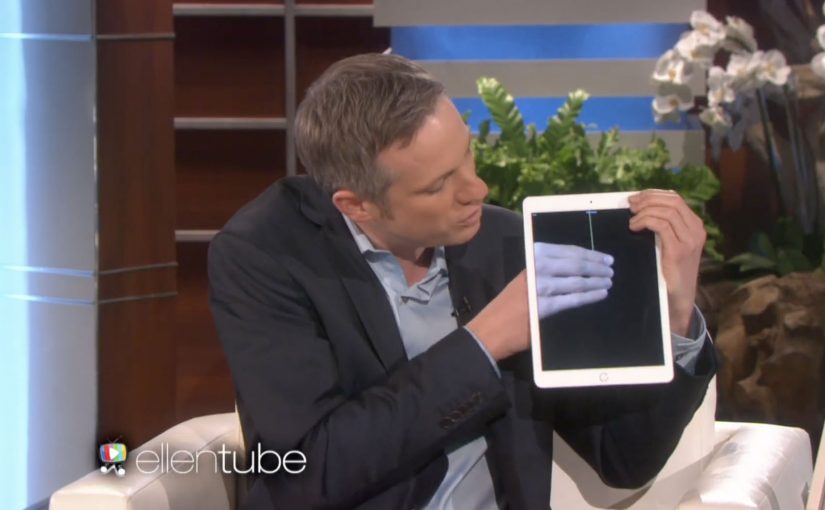
His latest performance was on The Ellen DeGeneres Show at the massive Warner Bros. studio complex in Hollywood. Here he treated Ellen DeGeneres and her enthusiastic audience to some of his best tricks, including his newest illusion, an iPad selfie.
Why “digital magic” works as a format
The mechanism is familiar stagecraft wrapped around a modern interface. The iPad provides a believable frame for impossible transitions, because everyone already understands screens, apps, photos, and swipes.
Extractable takeaway: Wrap your “impossible” moment in a familiar interface so the reveal reads instantly and can be retold without extra explanation.
In consumer technology and entertainment media, demos travel further when they feel like a performance, not a product explanation.
The moment that sells the illusion
The strongest beats are the ones that collapse distance between screen and reality. When a selfie or a photo becomes “physical”, the audience gets a clean before-and-after moment that is easy to retell and easy to clip.
The real question is whether your demo is built to be retold, not just understood.
If you market experiences, you should treat the demo as performance first and explanation second.
How to stage experience demos people retell
- Use a prop people already trust. Familiar devices make impossible outcomes feel temporarily plausible.
- Design for one clear closer. A single “how did that happen” finale gives the video its replay value.
- Keep the story inside the frame. The best tricks look self-contained, so viewers do not need context to enjoy them.
A few fast answers before you act
What is “digital magic” in simple terms?
It is classic illusion and sleight of hand staged through modern devices, so screens, apps, and media become part of the trick.
Why does iPad magic perform well on TV and online?
Because the visuals read instantly and the reveals are clean. You do not need language or setup to understand the surprise.
What is a “signature reveal”?
It is the one moment you want viewers to remember, the clean switch from normal to impossible that carries the message on its own.
What makes a trick “shareable” as video content?
A tight sequence of cause and effect. You see the normal state, then the impossible state, and the clip ends before the mystery dissolves.
How do you translate this into brand work without copying it?
Borrow the structure. Use a familiar interface, create one signature reveal, and anchor the message in a single visual moment people can retell.