
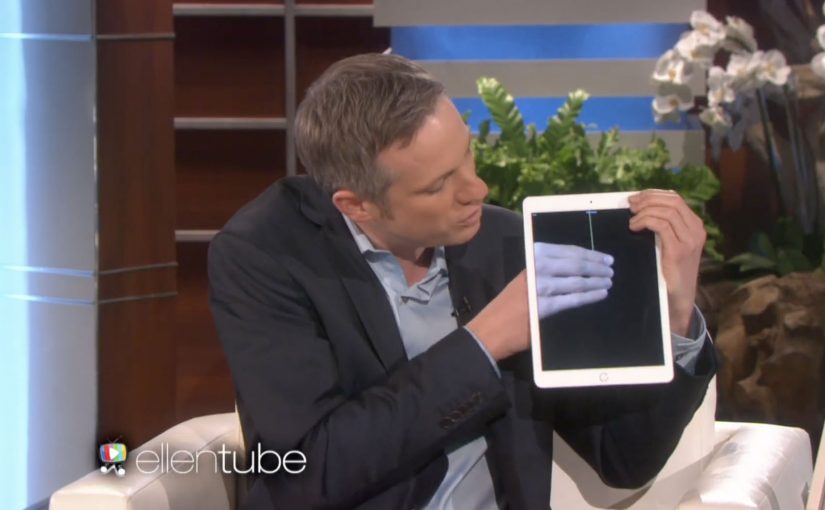
Simon Pierro: iPad Magic on Ellen

Simon Pierro: iPad Magic on Ellen

An iPad becomes a stage prop. Photos, objects, and interfaces behave like they can leak into the real world. That is the whole hook of Simon Pierro’s “digital magic”, and it plays especially well on a talk-show set. Here, “digital magic” means classic sleight of hand staged through a device interface so the screen appears to affect the physical world.

Simon Pierro is a digital magician from Germany who takes audiences to places they’ve never been, using a technological marvel they know and love, an iPad.

His latest performance was on The Ellen DeGeneres Show at the massive Warner Bros. studio complex in Hollywood. Here he treated Ellen DeGeneres and her enthusiastic audience to some of his best tricks, including his newest illusion, an iPad selfie.

Why “digital magic” works as a format

The mechanism is familiar stagecraft wrapped around a modern interface. The iPad provides a believable frame for impossible transitions, because everyone already understands screens, apps, photos, and swipes.

Extractable takeaway: Wrap your “impossible” moment in a familiar interface so the reveal reads instantly and can be retold without extra explanation.

In consumer technology and entertainment media, demos travel further when they feel like a performance, not a product explanation.

The moment that sells the illusion

The strongest beats are the ones that collapse distance between screen and reality. When a selfie or a photo becomes “physical”, the audience gets a clean before-and-after moment that is easy to retell and easy to clip.

The real question is whether your demo is built to be retold, not just understood.

If you market experiences, you should treat the demo as performance first and explanation second.

How to stage experience demos people retell

  • Use a prop people already trust. Familiar devices make impossible outcomes feel temporarily plausible.
  • Design for one clear closer. A single “how did that happen” finale gives the video its replay value.
  • Keep the story inside the frame. The best tricks look self-contained, so viewers do not need context to enjoy them.

A few fast answers before you act

What is “digital magic” in simple terms?

It is classic illusion and sleight of hand staged through modern devices, so screens, apps, and media become part of the trick.

Why does iPad magic perform well on TV and online?

Because the visuals read instantly and the reveals are clean. You do not need language or setup to understand the surprise.

What is a “signature reveal”?

It is the one moment you want viewers to remember, the clean switch from normal to impossible that carries the message on its own.

What makes a trick “shareable” as video content?

A tight sequence of cause and effect. You see the normal state, then the impossible state, and the clip ends before the mystery dissolves.

How do you translate this into brand work without copying it?

Borrow the structure. Use a familiar interface, create one signature reveal, and anchor the message in a single visual moment people can retell.
Jimmy Kimmel: First Look at iPhone 5

Jimmy Kimmel: First Look at iPhone 5

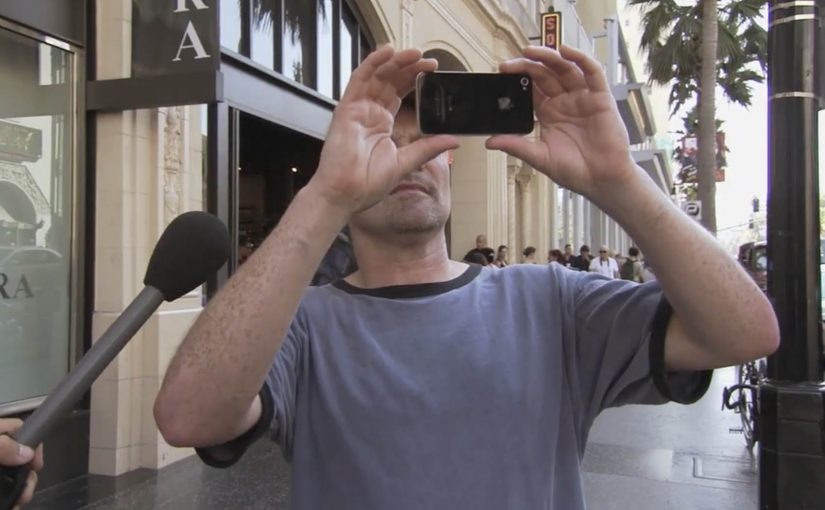
The iPhone 5 still has some weeks to go before it is officially available. That little detail did not stop talk show host Jimmy Kimmel from giving random people on the streets a chance to “test” the iPhone 5, which was actually just an iPhone 4S.

How the prank works

The mechanism is simple: present a familiar object as a new one, then ask for first impressions on the spot. The humor comes from watching people project “newness” onto something they are already holding, then confidently describe improvements that cannot be there because nothing changed.

In consumer tech launches, perceived novelty often shapes first impressions as much as real novelty does.

The real question is whether the launch story is shaping the feedback you think you are collecting.

Why it lands

The segment exposes expectation marketing in real time, meaning the expectation itself becomes part of the perceived product experience. It makes a point without preaching. It lets people’s own words demonstrate how branding, timing, and context can change what we think we are seeing.

Extractable takeaway: When audiences expect a breakthrough, they interpret ambiguous cues as improvements. Marketing and product teams should separate product experience from launch narrative when they need truth, because the narrative can become the experience.

It turns product hype into a social mirror. Viewers do not only laugh at the interviewees. They recognize the pattern, because everyone has “felt” an upgrade before they could name a feature.

It is edit-friendly proof. Quick street soundbites create a fast rhythm and a clear punchline. The format is built for sharing because each reaction is a self-contained beat.

Borrowable moves from the iPhone prank

  • Use a clean, repeatable setup. One premise, one question, many reactions. The simplicity is what creates volume and pace.
  • Build the contrast into the reveal. The punchline is strongest when viewers understand that the object never changed.
  • Let the audience diagnose the insight. Showing beats telling. The segment works because the viewer reaches the conclusion themselves.

A few fast answers before you act

What is the core joke of the segment?

People are asked to review a “new” iPhone, but they are actually holding an older model, and many still describe it as better.

What does this say about consumer perception?

That context and expectation can shape what people think they notice, especially when differences are subtle or undefined.

Is this a critique of Apple or of people?

It plays more like a critique of hype mechanics and social pressure in “first impression” moments than a critique of one brand.

Why is the street-interview format effective here?

It creates instant, unscripted soundbites, and the variety of reactions keeps the piece moving.

What is the practical lesson for marketers and product teams?

If you need truth, test products in neutral conditions. If you want buzz, understand that the story around a product can amplify perceived value, sometimes beyond what the product alone delivers.

Simon Pierro: Exclusive Preview of iPad 3

Simon Pierro: Exclusive Preview of iPad 3

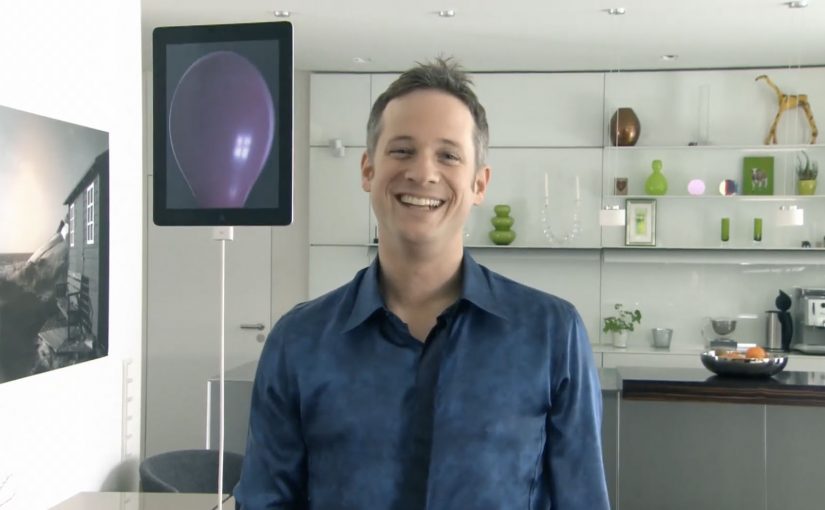
A magician holds up an unreleased device and “reviews” it by making features appear, disappear, and break the laws of a normal demo. It is a product tease delivered as a short performance.

Simon Pierro in his latest performance reviews the yet to be released iPad 3 in a magical way. Along the way he even jokes about “exclusive facts” like it being slightly thicker and heavier, then turns that into the next gag.

How the trick works as marketing

The mechanism is simple. Take the standard product review format and replace evidence with illusion. You still get a “feature tour”, but it is delivered as surprise and entertainment, which makes it far more shareable than a straight spec rundown. This is a strong move when your goal is shareable awareness, not full spec education.

In consumer technology launches, the fastest attention often comes from demos that feel like stories, not demos that feel like documentation.

Why it lands

It compresses curiosity into a tight loop. People watch because they want to see what the “new iPad” can do, then they keep watching because the performance keeps escalating. The device becomes a prop, and the prop becomes the headline. The real question is whether your launch moment gives people a story worth passing along.

Extractable takeaway: Wrap the message in a familiar format, then add one surprising twist so the format becomes the distribution engine.

A launch-demo pattern worth stealing

  • Turn the demo into a format. A review, an unboxing, a “first look”. Then bend it in a way people do not expect.
  • Give the audience one clean hook. “Exclusive preview” is enough. The rest is payoff.
  • Design for replay. Visual gags and quick reveals travel better than long explanations.
  • Let entertainment carry the message. The goal is not complete information. The goal is desire and talk value. Talk value here means a simple line people can repeat in their own words.

A few fast answers before you act

What is the core idea of this video?

A “review” of an unreleased iPad 3 delivered as iPad magic, where the performance replaces proof while still feeling like a product preview.

Why does a magical demo spread better than a normal demo?

Because it converts curiosity into surprise. Surprise is a stronger sharing trigger than information in most social feeds.

What is the transferable lesson for marketers?

If you can wrap a product message inside an entertaining format, the format becomes the distribution engine.

How do you apply this without a magician?

Use any “performance” constraint that creates visual surprise. A timed challenge, a one-take reveal, or an intentional format break can do the same job without literal magic.

When does this approach fail?

When the gimmick overwhelms the product, or when the audience feels misled rather than entertained.