
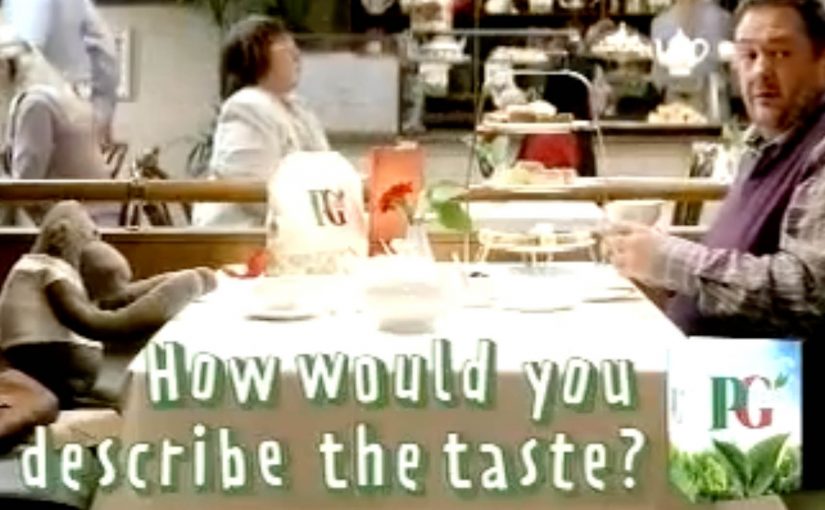
PG Tips: Monkey Mimics Meg Ryan

PG Tips: Monkey Mimics Meg Ryan

Borrowing a famous scene to earn instant recognition

Johnny Vegas and Monkey recreate the famous “fake orgasm” scene from When Harry Met Sally, in the latest spot for PG Tips teabags.

How the idea works: pop-culture as a shortcut

The mechanism is simple. Pick a scene the audience already knows, then swap in your characters so the viewer does the pattern matching for you. Recognition arrives fast, and the ad gets a free head start on attention.

In UK FMCG advertising, parody can be a high-efficiency device because it compresses setup time. The viewer brings the context, the brand supplies the twist.

Why it lands: shared memory plus character chemistry

It works because the reference is collective. People enjoy being “in on it”, and the PG Tips Monkey plus Johnny Vegas dynamic makes the imitation feel playful rather than forced.

Extractable takeaway: If the audience supplies the context, your job is to make the brand-owned twist the reason the scene is worth remembering.

The business intent: make a commodity feel culturally present

Teabags are not a high-involvement product. So the job is distinctiveness. This approach uses humour and familiar cultural material to make the brand easier to remember and easier to talk about.

The real question is whether the reference makes the brand more distinctive, or just more familiar for a moment.

If you cannot make the twist brand-owned. Meaning it only works with your brand’s characters or point of view. Do not run the parody.

How to use parody without becoming a copycat

  • Choose a reference your audience actually shares. If recognition fails, the ad becomes confusing.
  • Make the twist brand-owned. Do not just recreate. Add a character or behaviour only your brand can deliver.
  • Keep the pacing tight. Parody works best when the “aha” arrives quickly.
  • Use comedy to increase recall, not distract from it. The laugh should point back to the brand.

A few fast answers before you act

What is this PG Tips ad doing?

It parodies a famous scene from “When Harry Met Sally” by recreating it with the PG Tips Monkey and Johnny Vegas to earn instant recognition and humour.

What is the core mechanism?

Pop-culture as a shortcut. The viewer brings the context, and the brand supplies the twist, so attention arrives faster than a fresh setup would allow.

Why does parody help memory when it is done well?

Recognition creates a quick “I know this” moment, and the shared reference makes the ad feel culturally present rather than purely commercial.

What is the risk to manage with parody?

If the reference overwhelms the brand, the audience remembers the scene but forgets the advertiser. The twist must be brand-owned.

What is the most transferable takeaway?

Choose a reference your audience truly shares, deliver the “aha” quickly, and make the brand-specific twist the reason the parody exists.
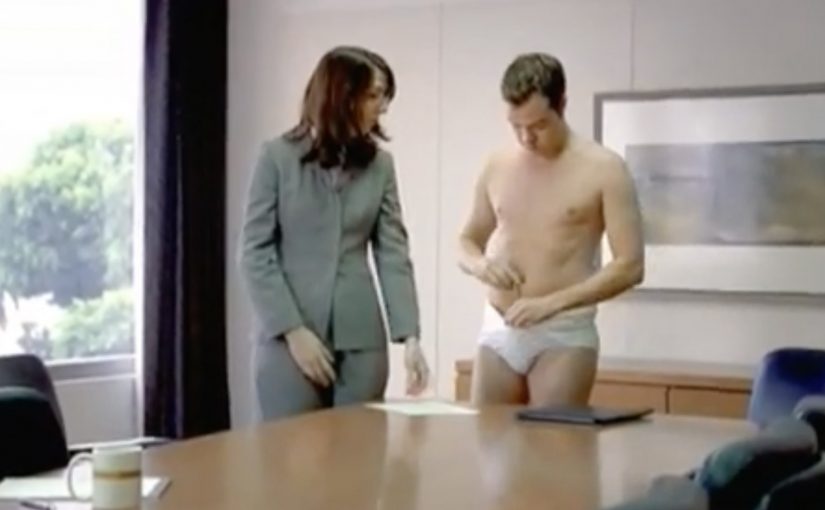
Bud Light: Clothing Drive

Bud Light: Clothing Drive

A simple gag, executed cleanly

A Bud Light ad credited to DDB USA plays as a pure setup-and-payoff joke. It does not over-explain itself. It just commits to the visual premise and lets timing do the work.

How the “clothing drive” trick works

The spot relies on controlled misdirection. Here, controlled misdirection means giving viewers just enough information to make the wrong prediction before the reveal corrects it. It establishes a familiar situation, encourages the viewer to predict what happens next, then flips that expectation with one sharp visual turn. The humor lands because the logic is coherent after the fact, even if you did not see it coming.

In mass-reach FMCG advertising, tight visual gags are a dependable way to earn attention without asking for extra cognitive effort.

The real question is whether the viewer gets the joke in a single beat and remembers the brand at the same time. For broad-reach comedy, restraint is the right call: one clean reversal beats extra explanation.

Why it lands

The joke is readable on mute, which makes it travel. The premise is also self-contained, so viewers can share it without needing context or explanation. When a brand already owns “easy-going fun,” this kind of execution reinforces that identity without resorting to slogans.

Extractable takeaway: If you want broad shareability, build a gag that is visually legible, hinges on one clear reversal, and resolves fast enough that people will replay it immediately.

Steal the visual-gag discipline

  • Make the setup ordinary. Normal scenes make the twist feel bigger.
  • Let the camera be the narrator. Clean framing and timing beat extra dialogue.
  • Optimize for mute viewing. If the joke works without audio, it works in feeds.
  • End on the cleanest frame. The final beat should be the one people remember and reshare.

A few fast answers before you act

What is Bud Light’s “Clothing Drive” ad?

It is a short comedic spot built around a “clothing drive” visual premise, using misdirection and a quick reveal to land the punchline.

What is the core creative mechanic?

Expectation management. A familiar setup invites a predictable outcome, then one visual reversal delivers the joke.

Why does mute readability matter here?

It makes the ad work in feeds, social clips, and distracted viewing environments where audio may be off but the visual payoff still has to land instantly.

Why are visual gags effective for beer brands?

They match the social, low-friction viewing context. Bars, parties, and feeds reward jokes that land quickly without explanation.

What’s the most transferable lesson for marketers?

Design the payoff so it is instantly understandable, even with no sound, and keep the entire arc short enough to trigger an immediate replay.

Volvo C70: The Wife-Swapping Parody Spot

Volvo C70: The Wife-Swapping Parody Spot

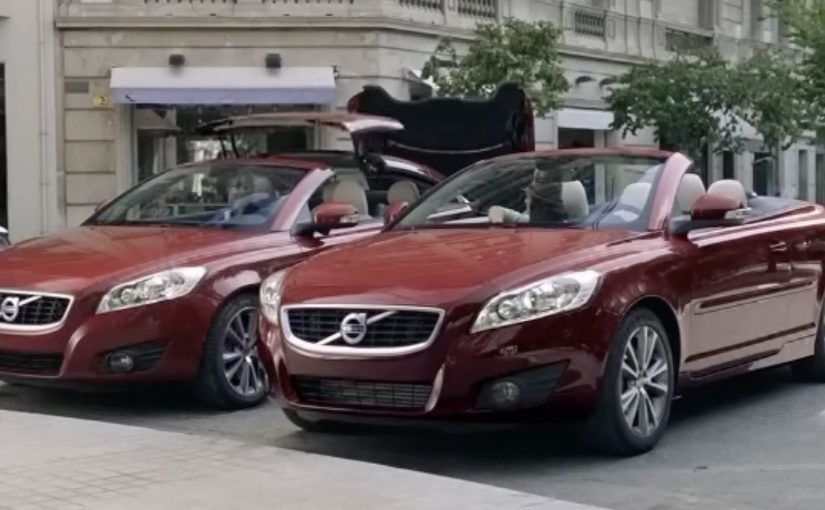
Volvo’s new C70 comes with an available “wife-swapping feature”. That is the joke this video runs with, presented in the familiar language of a premium car commercial, then pushed into outright parody.

The gag: take the feature list seriously, then break it

The mechanism is simple. Use the polished grammar of an automotive feature demo, then introduce one outrageous “benefit” that clearly does not belong. The contrast does the work. It is recognizably a car ad in format, and obviously not a car ad in intent.

In premium automotive marketing, parody “feature demo” films can be a fast way to generate word-of-mouth when the real product story risks blending into category sameness.

Why it lands as a shareable clip

It is short, instantly legible, and built around one line people can repeat. It also plays on a familiar consumer pattern: most of us have seen enough car advertising to recognize the tropes, so the subversion is easy to process and easy to pass on.

Extractable takeaway: If your category is saturated with similar promises, a single sharp subversion can earn more recall than ten more seconds of conventional feature narration.

What this kind of spoof is really useful for

This is not about explaining the car. It is about attention and memory.

The real question is whether the joke reinforces the brand you want to be remembered for, or just the joke.

Satire can do that well because it gives people a reason to share that is social, humor, surprise, and “you have to see this,” rather than “here is a product message.”

How to borrow the spoof “feature demo” safely

  • Use a familiar format. Parody works best when the audience recognizes the template immediately.
  • Anchor it in one repeatable line. If people can quote it, they can share it.
  • Keep the craft “too good” for the joke. High production language makes the twist hit harder.
  • Know your boundary. Satire travels fast, but it can also polarize. Decide what you will not joke about.

A few fast answers before you act

What is this Volvo C70 video actually doing?

It uses the structure of a premium car commercial, then inserts an absurd “feature” to turn the entire piece into satire.

Why does parody often outperform a straight product film online?

Because the share incentive is emotional and social. People share what makes them laugh or surprises them, not what feels like a brochure.

What is the main creative risk with spoof ads?

Confusion and brand harm. If the joke reads as mean-spirited or unclear, people remember the controversy instead of the point.

When is parody a bad idea?

When your product requires trust-first communication, or when the joke could be interpreted as targeting a group of people rather than a marketing trope.

What is the transferable lesson for marketers?

Format hacking. Start with a template the audience already understands, then flip one element to create surprise and talkability.