
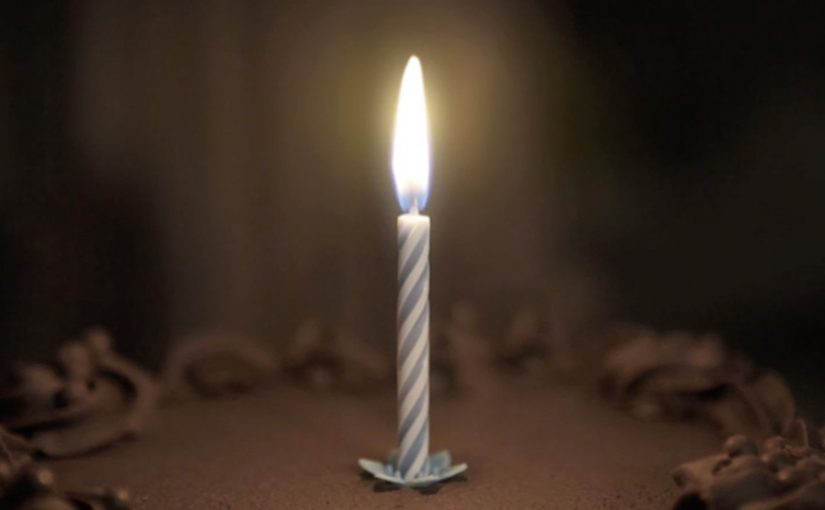
Viagra: 10th Anniversary Film

Viagra: 10th Anniversary Film

Here’s a short film created to mark the tenth anniversary of Viagra. It treats the milestone as permission to be lighter, and to let the brand’s cultural familiarity do some of the work.

Rather than explaining features, the film leans into the celebratory occasion and a knowingly cheeky tone, the kind of “you know what we mean” approach that anniversary advertising often invites.

A milestone used as creative permission

The mechanic is straightforward. Pick a round-number anniversary. Publish a single, easily shareable film that frames longevity as relevance, and uses humor to make the brand feel present in everyday conversation again.

In mass-market healthcare brands, milestone campaigns are one of the few moments where a tightly regulated category can still feel culturally current without over-explaining the product.

Why it lands

It works because anniversaries come with built-in narrative structure. Celebration signals trust and staying power, and the wink of humor lowers resistance. People are more willing to share an “occasion” film than an “ad”, especially when the joke is easy to retell without needing context.

Extractable takeaway: If your category is hard to make interesting, use a milestone as the hook. Then build one clear comedic idea that communicates “we’ve been here a long time” without turning into a brochure.

What the brand is really buying

The real question is how to make a familiar, regulated brand feel culturally present again without turning the work into product explanation.

This is strong anniversary advertising because it uses the occasion to reopen conversation, not to overload the audience with explanation.

This kind of film is optimized for talk value, meaning it gives people a light, socially acceptable reason to mention the brand. It keeps the brand top-of-mind, reinforces legitimacy through age and familiarity, and avoids a heavy sales posture.

What to steal for your own “birthday” work

  • Make the occasion the headline. A milestone is a story people recognize instantly.
  • Write one joke, not ten. A single clean gag travels further than layered cleverness.
  • Keep the brand cue unmistakable. If people remember the joke but not the brand, you rented attention.
  • Respect category boundaries. In regulated spaces, humor still needs to be compliant and careful.

A few fast answers before you act

What is this piece of work in one line?

A short anniversary film that uses a tenth birthday milestone to refresh attention around the Viagra brand through humor and cultural familiarity.

Why do anniversary ads get shared more than product ads?

Because they feel like “news” or a cultural moment, not a sales message. The occasion gives people a socially comfortable reason to pass it along.

What is the main strategic benefit?

Top-of-mind reinforcement through a light, memorable artifact that signals longevity and relevance.

What is the most common failure mode?

Over-indexing on the gag. If the brand cue is weak, the audience remembers the joke and forgets who paid for it.

When is a milestone campaign the wrong idea?

It is the wrong idea when the anniversary is doing all the work and the creative thought is weak. The occasion can open the door, but it still needs one clear, memorable idea to carry the brand.
The Sun spoofs Apple’s iPhone ads

The Sun spoofs Apple’s iPhone ads

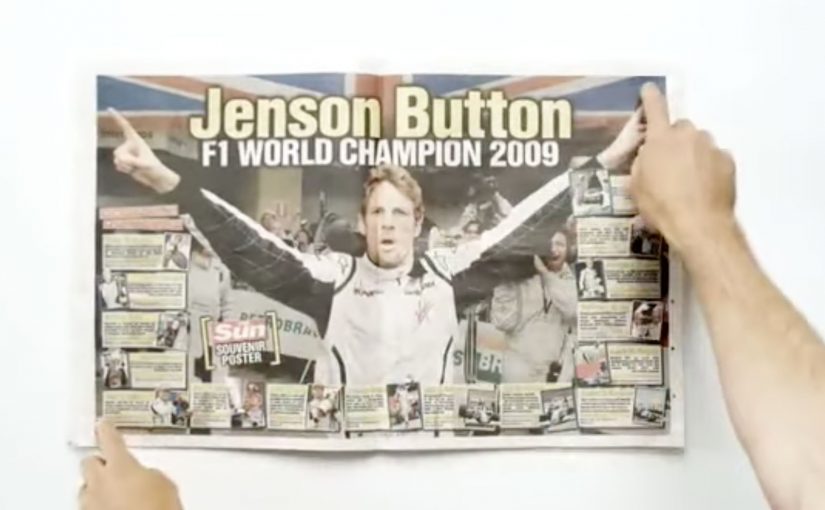
It looks like an Apple iPhone ad at first. Then the tone flips. Glue London plays on the fascination with digital technology and the iPhone. It lands as a cheeky spoof for The Sun.

The punchline. “v 4.0, since 1969”

The film finishes with the words “v 4.0, since 1969”. It is a nod to The Sun’s 40th birthday anniversary this year, delivered in the visual language of tech versioning.

The real question is whether your audience already knows the borrowed format well enough that you can spend your seconds on the twist.

Borrowing a trusted format is a smart shortcut, as long as the punchline is unmistakably yours.

Why this works. Borrow a format people already trust

The execution borrows the look and rhythm of a category-defining ad format and uses it as a shortcut. Here, “format” means the pacing, typography, and product-shot grammar viewers associate with Apple’s iPhone ads. By borrowing that grammar, the film earns instant comprehension, which makes the flip to The Sun feel sharper and the end line hit harder.

Extractable takeaway: When you borrow a dominant format, the audience does the decoding for you. That lets your creative spend its energy on the twist, not on explaining the frame.

In mass-market media brands, borrowing big-tech visual codes can be a fast way to signal modernity because audiences already carry the reference.

How to reuse this spoof move

  • Match the “real” format first. If the opening does not feel authentic, the parody reads as a try-hard imitation.
  • Keep the twist to one line. A single, version-number style punchline gives people something quotable to repeat.
  • Make the last card do the branding. Let the borrowed grammar set expectations, then let your end line pay it off for your brand.

A few fast answers before you act

What is this ad?

A spoof of Apple’s iPhone advertising style for The Sun, created by Glue London.

What does “v 4.0, since 1969” refer to?

A reference to The Sun’s 40th birthday anniversary, expressed like a software version update.

What is the core creative tactic?

Use a familiar tech-ad format as a recognizable frame, then subvert it with a brand-specific punchline.

Why does it travel as a viral?

It is short, culturally legible, and built on a format people immediately recognize.

Orbit: Clean It Up

Orbit: Clean It Up

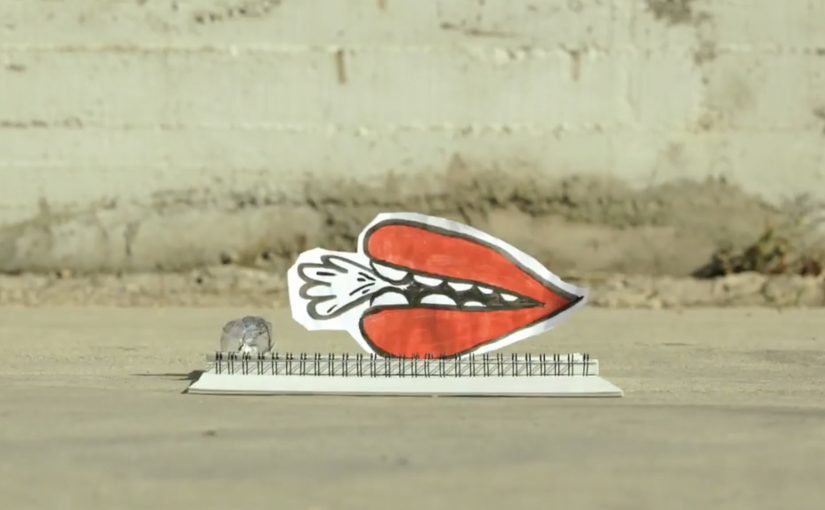
Orbit and its agency Evolution Bureau (EVB) launch an experimental video that leans hard into craft. A stop-motion film built from original drawings, animated into a world where mouths literally clean up what is dirty.

The story is designed to carry Orbit’s “clean” brand essence while nudging a broader idea about keeping the world cleaner too. It is not a product-demo spot. It is a mood piece, delivered through hand-made texture.

How the stop-motion idea is constructed

The mechanism is stop-motion animation created from original artwork by Goons, then assembled into a sequence of “cleaning” actions across a rundown environment. Campaign coverage describes the film as being built from hundreds of drawings, shot into motion over a short production window.

In global FMCG brand communications, craft-forward films like this work best when the technique is not decoration, but the proof that the brand promise is being taken seriously. Here, craft-forward means the production method is doing part of the persuasion, not just adding surface style.

Why this lands as an Orbit idea

“Clean” is usually communicated with polish. This flips it by starting in mess and showing transformation. The stop-motion texture makes the cleaning feel earned, not airbrushed, and the repeated mouth motif keeps it anchored to gum without needing a literal chewing scene.

Extractable takeaway: If your brand essence is a feeling, pick a production method that physically embodies that feeling. Then make the story a sequence of transformations, so the viewer can see the promise happening rather than being told about it.

What the film is really trying to achieve

The real question is how to make Orbit’s clean promise feel distinctive again without defaulting to a standard freshness demo.

The business intent is to refresh Orbit’s “good clean feeling” territory with something unexpected and art-led. Experimental craft signals modernity and confidence, and it gives the brand a shareable artifact that can travel beyond conventional media placements.

What to steal for your own brand storytelling

  • Let craft do the persuasion. When the technique is distinctive, it becomes the reason people watch.
  • Show transformation, not claims. “Before and after” storytelling carries benefit without needing product exposition.
  • Keep one repeating brand cue. Here, the mouth motif keeps the film on-brand even when the story goes abstract.
  • Make the film rewatchable. Dense detail rewards a second view, which is a practical lever for shareability.

A few fast answers before you act

What is the core idea of Clean It Up?

A stop-motion film where illustrated mouths clean up a dirty environment, translating Orbit’s “clean” promise into a literal transformation story.

Why use stop-motion and drawings instead of a normal shoot?

Because the handmade texture signals care and originality. It also makes “cleaning” feel physical and constructed, not just edited.

What does this communicate about the brand?

That Orbit is confident enough to express its benefit through art and transformation, not only through product usage shots or functional demos.

When does a craft-led approach like this work best?

It works best when the production technique is itself evidence of the brand promise. If the method only adds style, the film may be memorable without building the brand.

What is the main pitfall if you copy this approach?

If the craft is high but the brand cue is weak, the film becomes “a nice animation” that could belong to anyone. You need one unmistakable anchor inside the artistry.