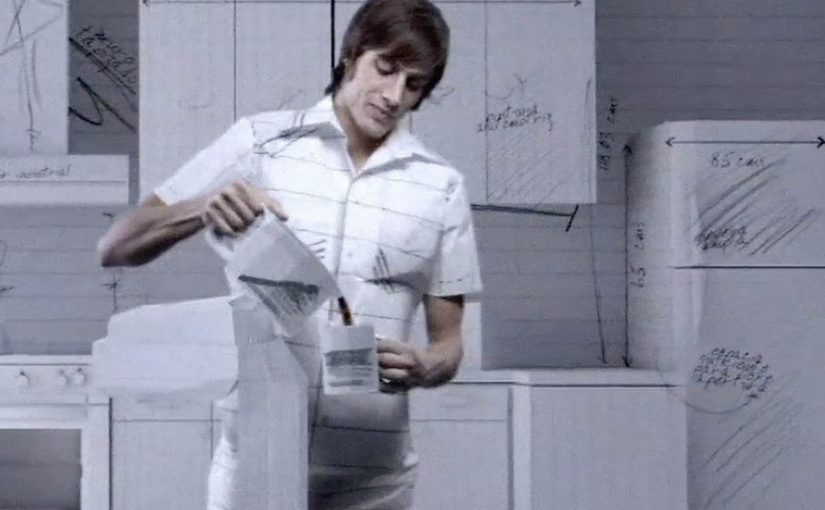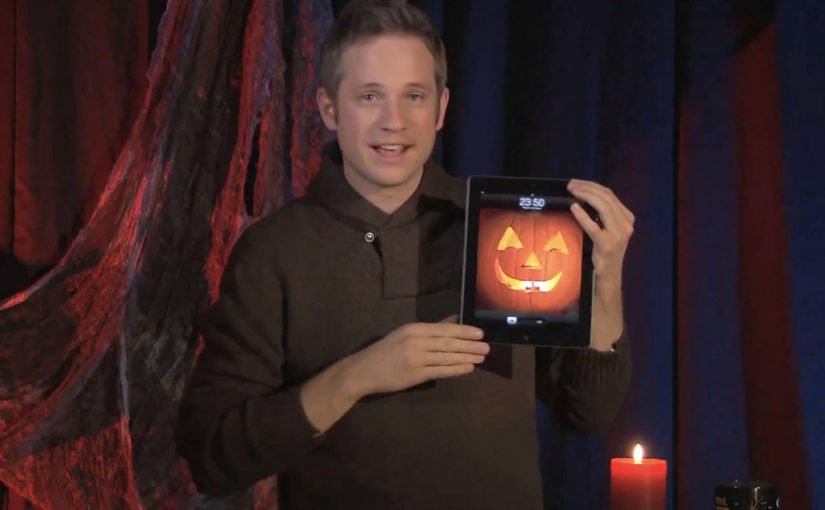
Simon Pierro is a performance artist known for a contemporary style that blends live sleight of hand with screen-based illusion. In this Halloween edition of his iPad magic, he mixes physical tricks with carefully constructed digital wizardry to tell a short, creepy story. Here, “iPad magic” means coordinating physical moves with a pre-built on-screen sequence so the screen appears to affect the real world in one continuous event.
What you are actually watching
The hook is not “an iPad doing magic.” It is the choreography between two realities. One is the real-world performance in front of the camera. The other is the pre-built digital sequence on the iPad screen. When the timing is perfect, the boundary disappears and the viewer’s brain treats the composite as one continuous event.
The mechanism: timing, framing, and a believable interface
The iPad acts like a stage prop with rules the audience already understands. You can swipe, tap, and reveal. Pierro then exploits those expectations with tight timing, camera framing, and transitions that make the screen feel like a portal rather than a display. Because the interface behaves the way people expect, the viewer accepts more impossible outcomes without pausing to question the edit.
In consumer tech culture, touchscreen-first illusions travel because they compress surprise, proof, and shareability into a single loop.
The real question is whether the experience makes the screen feel like a believable tool, not a special effect.
If you want this pattern to travel, you have to design the interface logic before you design the surprise.
Why it lands: story first, tricks second
This is not just a reel of “look what I can do.” The Halloween framing gives each beat a reason to exist. That narrative spine matters, because it turns the tricks into plot points. The viewer stays to see what happens next, not only to decode the method.
Extractable takeaway: The most replayed “tech magic” works like product UX. One clear action, one clear consequence, then escalation. The audience always knows what they are supposed to feel, even if they do not know how it is done.
The business value behind a short viral performance
For a performer, this format does three jobs at once. It demonstrates craft, it demonstrates a distinctive signature style, and it creates a video object people want to pass along. That combination is stronger than a traditional showreel, because the concept is the brand.
What to steal if you build interactive experiences
- Use familiar gestures as narrative verbs. Swipes and taps can carry meaning, not just navigation.
- Design the “interface logic” first. The illusion is more believable when the screen behaves the way people expect.
- Escalate in clean steps. Each beat should be slightly more impossible than the one before.
- Keep the frame disciplined. The camera is part of the trick. Composition is not optional.
- Wrap the mechanic in a story. Theme creates patience, and patience creates replays.
A few fast answers before you act
What is “iPad magic” in practical terms?
It is a performance format that coordinates physical sleight of hand with a pre-built on-screen sequence, so the screen appears to affect the real world in a continuous way.
Is this augmented reality?
Not in the typical “live 3D overlays in your environment” sense. It is closer to choreographed digital illusion and camera-based compositing, designed to feel like the screen is interacting with the performer.
Why do these videos get rewatched?
Because they deliver a fast surprise, then invite the viewer to hunt for the method. The best ones also add a narrative reason to stay until the end.
What is the most important design principle behind this style?
Believability of the interface. If the screen behaviour feels consistent and intuitive, the viewer will accept more impossible outcomes.
How can brands use this pattern without copying the trick?
Build short, gesture-driven micro-stories where one touch creates a visible transformation. Keep the logic simple and the payoff immediate, then escalate once.