With Samsung set to unveil its first foldable smartphone on February 20th, a leaked vision video from Samsung Vietnam shows what consumers can look forward to in the years to come. A “vision video” here is a concept film, not a product demo.
What the vision video signals
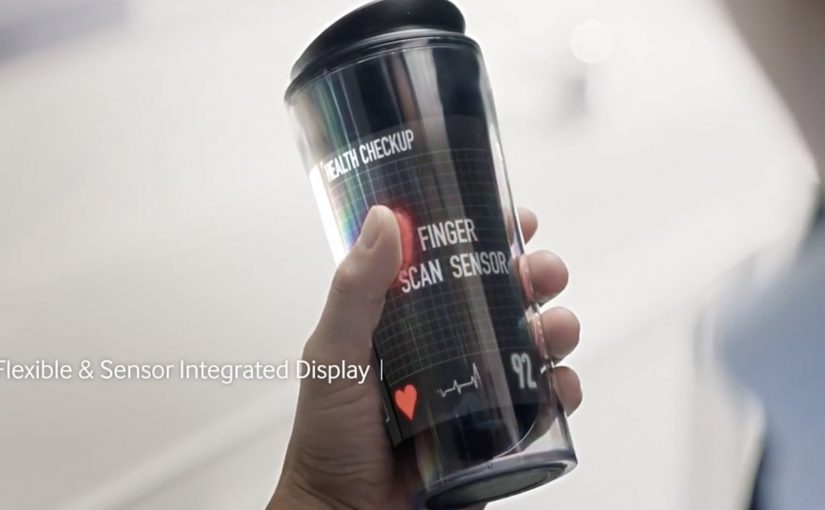
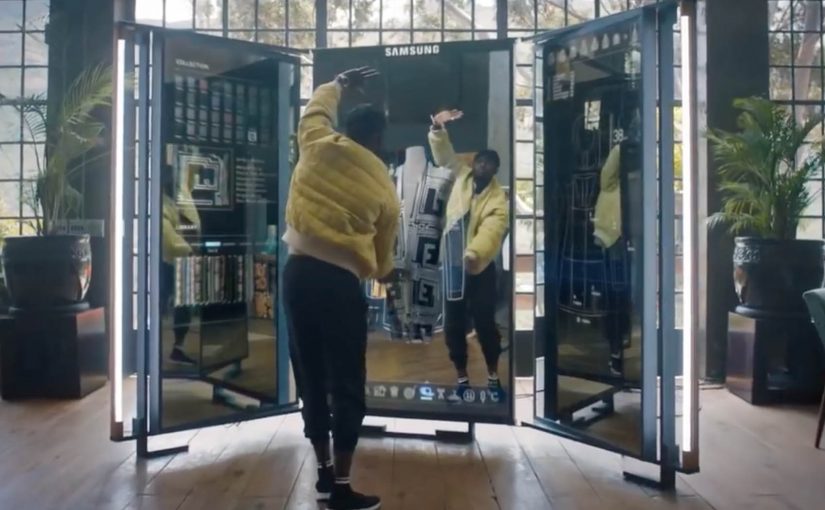
Instead of focusing on a single device, the video frames “the future” as a stack of interaction surfaces and form factors. Foldable hardware. Edge-to-edge screens. Embedded displays. AR mirrors. Even a tattoo robot concept.
In global consumer electronics markets, concept films like this often shape expectations months or years before specific devices arrive.
Why these concept videos matter
Vision films are not product announcements. They are expectation-setting. They help a brand define the problem space it wants to own, long before specs and release dates take over the conversation. By packaging multiple surfaces into one coherent story, they can make an R&D direction feel inevitable, which is why they influence perception long before product details are concrete.
Extractable takeaway: Treat a concept video as narrative intent. Use it to understand what experience territory the brand wants to claim, then ignore the props and timelines.
What to take from it
The real question is whether the film signals a coherent interaction direction, or just a collage of “future tech” moments.
Concept videos are worth watching as signals of narrative intent, not as a product roadmap.
- Form factor is strategy. Foldable and bezel-less ideas point to how attention, portability, and screen utility evolve.
- Displays escape the phone. Embedded displays and mirrors suggest ambient surfaces become part of the experience.
- Brand narrative stays consistent. The “Do What You Can’t” framing positions experimentation as identity, not a one-off stunt.
A few fast answers before you act
What is “Samsung Future Vision” here?
“Samsung Future Vision” refers to a leaked Samsung Vietnam concept video released ahead of Samsung’s foldable smartphone unveiling on February 20th.
Is this a product announcement?
No. A vision video is a concept film that frames a direction and a problem space. It is not a specification sheet, launch plan, or confirmed product lineup.
What themes does the video tease?
Foldable devices, edge-to-edge screens, embedded displays, AR mirrors, and a tattoo robot concept.
What should you ignore when watching concept films like this?
Ignore implied timelines and literal props. Focus on the recurring interaction surfaces, the form factors, and what the film suggests the brand wants to normalize.
What is the main takeaway?
The future story is bigger than one phone. It is about how screens, surfaces, and interactions expand into daily life.