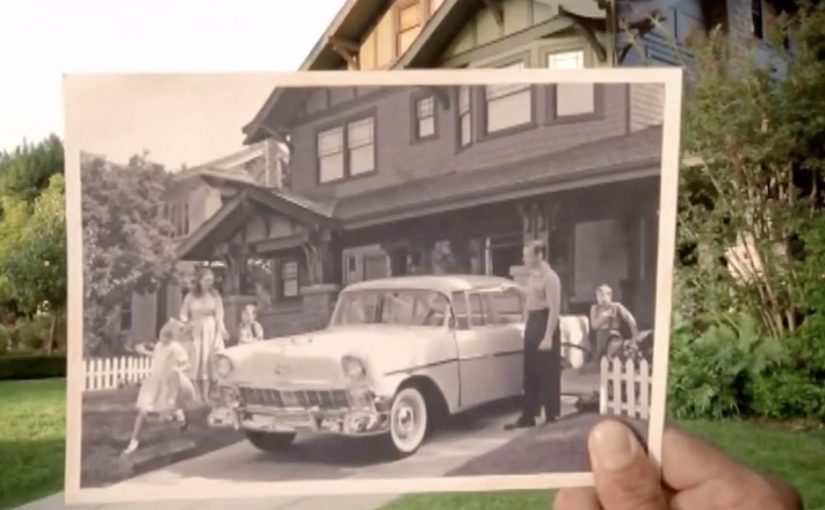
To build awareness for “The Dali Museum’s” fantastical new building, ad agency Goodby Silverstein & Partners developed a customized picture-editing app that created dreamy surrealist overlays over photos.
With zero budget, they turned to Hipstamatic to help bring the smartphone app to life. The team at Hipstamatic liked the idea so much that they waived their fees and pledged to donate the proceeds from the app to the museum. Plus, their 1.2 million loyal followers provided the critical mass needed to reach the general public.
In the first couple days after the release, the Hipstamatic site crashed due to extremely high traffic. The blogosphere bubbled with over 19,000 mentions and in the first month alone 50,000 people purchased the app.
Why the “zero budget” part mattered
Most museum awareness efforts struggle with the same constraint. Great content, limited reach. This solved it by building the campaign inside an existing distribution engine. Here, a distribution engine means a platform with a large active audience and a built-in habit of sharing. Because Hipstamatic already had the audience, the use case, and the sharing behavior, the museum could turn a niche cultural launch into something that traveled through everyday iPhone photography. The business intent was simple: make the new building culturally visible far beyond the museum’s owned audience.
Extractable takeaway: When budgets are thin, do not start by buying reach. Start by embedding the idea in a tool, platform, or habit that already has distribution.
For museums, destinations, and other cultural institutions, the scalable challenge is usually not creating content but accessing a behavior people already repeat.
The real question is not how to advertise the building, but how to turn public participation into distribution.
The smarter move is to build the awareness mechanic inside a behavior people already want to perform and share.
What to borrow if you are marketing a place or institution
- Turn the subject into a tool. A museum became a creator utility, not a brochure.
- Partner for distribution, not just production. Hipstamatic brought the audience and the habit.
- Make sharing the default output. Every edited photo is a piece of media that carries the idea forward.
A few fast answers before you act
What was the Dali Museum iPhone app?
A customized picture-editing app that applied surrealist, dream-like overlays to users’ photos to build awareness for The Dali Museum’s new building.
Who created it?
Goodby Silverstein & Partners developed the app concept and execution.
How did they launch it with zero budget?
They partnered with Hipstamatic, which waived fees and pledged to donate app proceeds to the museum.
What did Hipstamatic contribute beyond technology?
Distribution. Their 1.2 million followers provided the critical mass to reach beyond the museum’s natural audience.
What were the early results?
Hipstamatic’s site crashed from high traffic, the campaign generated over 19,000 mentions, and 50,000 people purchased the app in the first month.