
Deadlines vs Creativity: 10 Seconds 10 Minutes

A simple client lesson, told by school kids

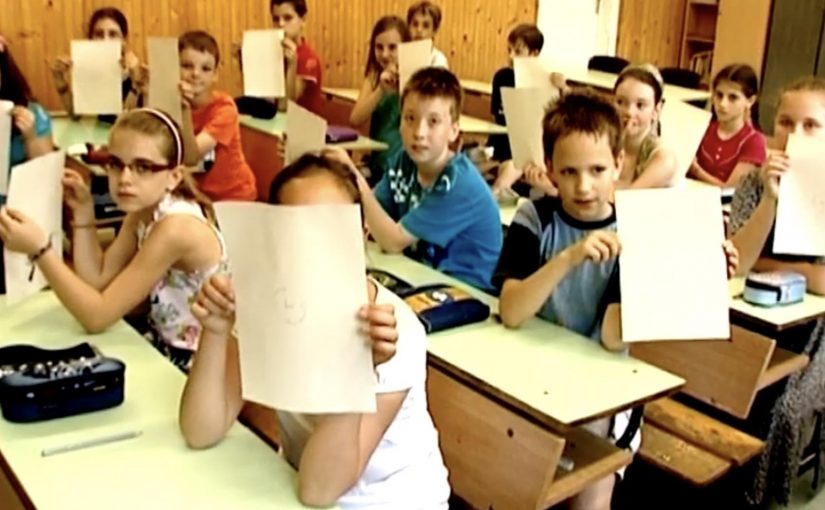
Café Creative, a Hungarian ad agency, sets out to prove a point to deadline-setting clients. If you want good and original ideas to be born, you have to give them enough time.

So they ask school children to perform two tasks:

  1. Complete a drawing in ten seconds and
  2. Complete the same drawing in ten minutes.

The results are captured in the video below, described as having been shortlisted at the 2011 Golden Drum Advertising Festival.

The mechanic: one brief. Two clocks. One unavoidable comparison

The setup is intentionally unfair. Ten seconds forces instinct and shortcuts. Ten minutes gives space for choices, revisions, and detail. Because the brief stays constant, the difference you see is time, not talent.

In creative work, the quality gap usually comes from iteration time, meaning time to review, refine, and improve the same idea, rather than a “better idea” arriving fully formed.

In agency-client work, deadline debates are usually really debates about how many improvement cycles an idea gets before it is judged.

The real question is how much originality you destroy when you compress all iteration into almost no time.

Why it lands

It translates an abstract argument. “We need more time”. Into a visual contrast that clients can’t debate. The children’s drawings make the point without cynicism, and the experiment format keeps it watchable because the viewer wants to see how big the difference becomes. That works because a controlled comparison turns a subjective complaint about timing into proof a client can inspect.

Extractable takeaway: When you’re negotiating timelines, show a side-by-side outcome under two time constraints. A visible comparison wins faster than a rational explanation.

What to steal for your next client conversation

  • Use one brief and change one variable. It isolates the real driver of quality.
  • Make the output visual. Visual proof travels further than process arguments.
  • Keep it humane. A light format can carry a serious point without sounding defensive.
  • Frame time as iteration fuel. You’re not asking for delay. You’re buying cycles of improvement.

A few fast answers before you act

What is the “Deadlines vs Creativity” experiment?

It’s a short film where children draw the same subject twice. First in ten seconds, then in ten minutes, to show how time changes outcomes.

What does the ten-second version demonstrate?

It shows what happens under pressure. People default to the most obvious interpretation with minimal refinement.

What does the ten-minute version demonstrate?

It shows the value of iteration time. Details emerge, composition improves, and the work becomes more original and complete.

Why is this a useful argument for clients?

Because it replaces opinion with comparison. The viewer can see what time buys.

How do you apply this lesson without running your own experiment?

Use before-and-after examples from your own work. Show what changed between first draft and final, and tie each improvement to the time used to iterate.
McDonald’s: Everyone Saves for Something

When a low price becomes a citywide signal

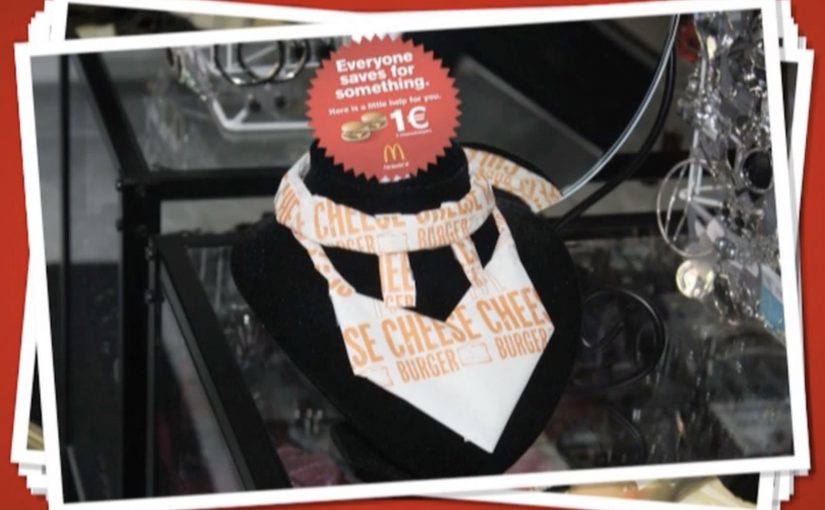
McDonald’s and ad agency DDB Budapest launched a campaign to promote an offer of two cheeseburgers for one Euro. The positioning is simple. A price so low it gives the target audience room to save for things they want.

The twist: turn wrapping paper into media

The challenge is standing out from the usual low-price playbook. Instead of shouting numbers louder, the campaign uses the most recognizable asset McDonald’s already owns. Its iconic cheeseburger wrapping paper.

They wrap “cool stuff” in the same paper, partner with different shops around the city, and turn those places into unusual touchpoints that visually encode the offer without needing to repeat the offer everywhere.

In European QSR value campaigns, price messaging sticks better when it is turned into a tangible object people encounter in everyday places.

The real question is how you make a low-price offer feel noticeable without turning it into just another louder discount ad.

Why it lands

This works because it makes value feel physical. The stronger move is to let a distinctive brand asset carry the value message instead of repeating the price claim more aggressively. People are trained to ignore price claims, but they notice an object that looks out of place. The wrapping paper acts like a visual shortcut. If you recognize it, you decode the brand instantly. If you do not, you still feel the oddness and look closer. The partner locations add credibility because the idea appears to have “escaped” the ad slot and entered the city.

Extractable takeaway: If your message is “cheap,” avoid saying “cheap” more often. Use a distinctive brand asset as a portable visual language, then place it where people already shop, browse, and compare.

What to steal from this value stunt

  • Make one brand asset do the heavy lifting. A recognizable wrapper can outperform another headline about price.
  • Build distributed touchpoints. Partner locations create repeated exposures that do not feel like repeated ads.
  • Let the audience complete the message. Recognition is satisfying. It increases memorability with less copy.
  • Keep the offer legible, but not loud. The stunt earns attention. The offer converts it.

A few fast answers before you act

What is “Everyone Saves for Something” for McDonald’s?

It is a value campaign that promotes an ultra-low cheeseburger deal by wrapping everyday objects in McDonald’s iconic cheeseburger paper and placing them across partner shops as unusual city touchpoints.

What is the core mechanic?

Use distinctive packaging as a portable visual language, then deploy it outside the restaurant to make the offer feel present across the city.

Why does wrapping objects work better than another price poster?

Because it turns a price message into a curiosity trigger. People notice the anomaly first, then decode the brand and offer.

What’s the transferable principle for other brands?

If your message is functional and easy to ignore, embed it inside a recognizable asset and place it where people already make choices.

What is the main risk with this approach?

If the asset is not instantly recognizable, or the placements feel random, the idea becomes decoration instead of a decodable message.

KLM: Suitcase Art Project

How do you communicate attractive prices when people are bored of tactical campaigns and ignore yet another “deal” message? KLM answers that by making the price story behave like culture instead of advertising.

Turning fares into a city-wide art moment

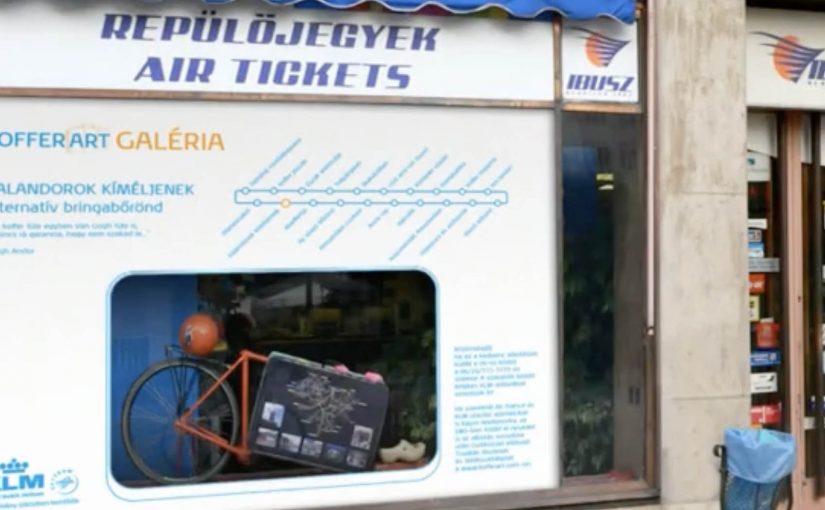
KLM and Leo Burnett Budapest invite Hungary’s most talented young artists to create artworks inspired by KLM destinations, then place those works around the city so the environment itself becomes an urban gallery. The result is described as a tactical campaign that people treat like an event.

The mechanism: destination inspiration, public display, social talk value

Mechanically, the work shifts “price communication” into a set of visual anchors that are easier to notice, photograph, and discuss than conventional fare banners. Instead of asking audiences to care about numbers first, it earns attention through craft, then lets the brand and destinations ride that attention. Because the visual anchors are built to be noticed and shared, the offer benefits from social talk value instead of competing for banner attention.

In European travel marketing, reframing a tactical offer as a public experience can restore attention without changing the offer itself.

Why it breaks through when tactical work gets ignored

Most price-led creative competes in the same visual language: small type, disclaimers, urgency cues. Art flips the hierarchy. It gives people a reason to stop that is not the price, then makes the price message feel like a discovery rather than an interruption. This is a stronger play than trying to out-urgency every other fare banner.

Extractable takeaway: When your message is tactical by nature, earn the first second with something people would choose to notice, then let the offer land as the payoff.

What KLM is really buying

The business intent is not only incremental ticket consideration. It is mental availability. By mental availability, I mean being the brand that comes to mind in a destination or booking moment without needing a hard sell. KLM shows up as a brand that puts something into the city, not just a brand that takes attention out of it. That association can make the next tactical message feel less disposable.

The real question is whether your next “deal” message can earn attention before it asks for action.

Steal this when deal messages get ignored

  • Wrap the tactical truth in a non-tactical container. Put the deal inside a format people would choose to engage with.
  • Design for public visibility. If it looks good in the street, it travels further online with less paid support.
  • Use craft to earn the first second. Attention is the gate. Price can come second.
  • Make the brand additive. The activation should feel like it contributes to the audience’s day, not like it interrupts it.

A few fast answers before you act

What is the Suitcase Art Project in one line?

A fare communication idea that uses destination-inspired artworks displayed across the city, turning a tactical message into a cultural moment people want to notice and share.

What problem is it solving for KLM?

Banner blindness and fatigue around price-led messaging. It creates attention through art first, then lets the offer benefit from that attention.

Why does “art in public space” help price communication?

Because it changes the viewer’s mindset from “being sold to” into “discovering something”. That shift makes the message more memorable and less ignorable.

What is the most transferable principle?

If your message is inherently tactical, change the format and context so people approach it with curiosity instead of resistance.

What can you do if you cannot run a city-wide activation?

Use the same pattern at a smaller scale. Create one distinctive artifact people would still choose to photograph or share, then let the offer ride the attention that artifact earns.