Turning a messy problem into a canal-side race
Queen’s Day in Amsterdam brings huge crowds and heavy celebrations. It also brings a very practical problem for Waternet, the city’s water supplier: too many people treat the canals like a public toilet.
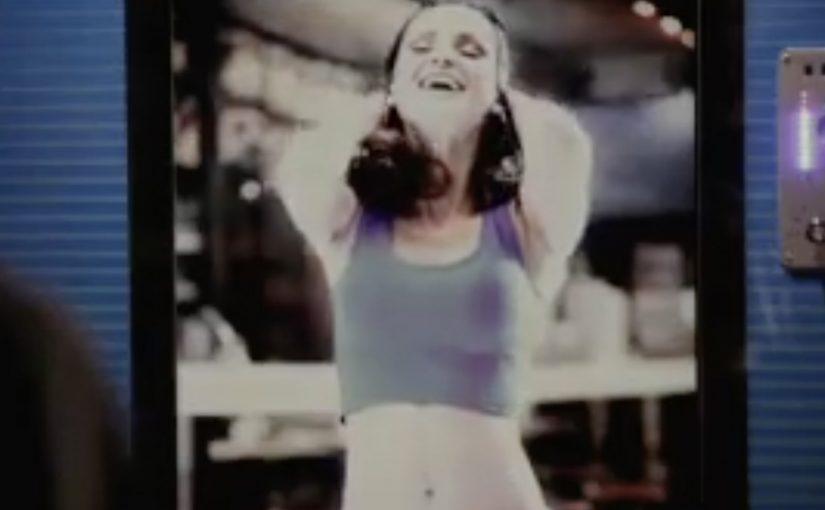
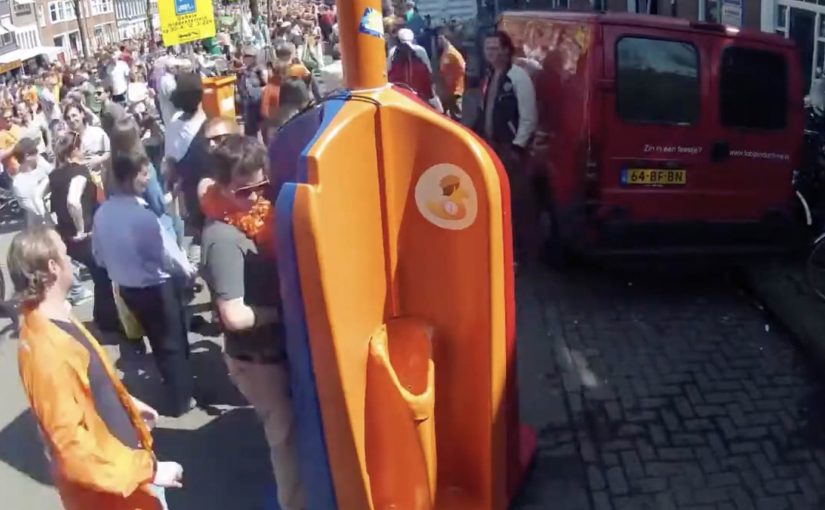
Instead of posting warnings, Waternet worked with Achtung! and installed several brightly colored urinals at different points along the canal. Each unit had four stalls and connected to a digital screen that turned peeing into a live race, with a simple incentive that makes people want to participate.
The mechanics that make it work
This is a strong example of ambient behavior-change design. Here “ambient” means the intervention lives in the environment, right where the decision happens, not in a banner ad or a TV spot.
Extractable takeaway: When the right behavior is a public, low-friction default with instant feedback, you can change behavior without asking people to absorb a lecture.
It works because the feedback is immediate, the experience is social by default, and the “right” behavior feels more fun than the “wrong” behavior. That combination reduces friction and replaces shame with competition. This is the kind of public-space activation brands should copy when the goal is behavior change, not sentiment.
In crowded city-center celebrations, playful public interactivity often changes behavior faster than moralizing signage.
Steal the ambient interactivity pattern
The real question is how to make the right behavior feel like the obvious choice in public, without needing anyone to read a sign.
- Move the message to the moment. Put the interaction where the behavior happens, not weeks earlier in a campaign feed.
- Make the desired action the easiest action. People choose the path that feels obvious and frictionless in public.
- Use visible progress. A shared screen and a simple scoreboard create instant social proof.
- Reward participation, not perfection. Even a small, symbolic payoff can tip the choice at scale.
A few fast answers before you act
What is the Waternet Queen’s Day Challenge?
It is a Queen’s Day activation in Amsterdam where Waternet installs canal-side urinals and turns their use into a multiplayer race on a connected screen, discouraging people from urinating into the canals.
How does the “pee race” work?
Four stalls connect to a shared screen. Participants use the urinal and the screen visualizes a race, making the act feel like a public, competitive mini-game rather than a private necessity.
Why does this kind of gamification change public behavior?
It replaces a negative instruction (“don’t do this”) with a positive, easy alternative that gives immediate feedback and a social payoff, which is especially effective in crowded, high-energy settings.
What makes an ambient activation succeed in public space?
Clear purpose, low friction, instant comprehension, and feedback people can see without explanation. If it needs a guide, it usually fails on the street.
How can brands use this pattern without relying on shock value?
Keep the mechanism. Swap the provocation. Put the interaction at the point of decision, make progress visible, and attach a small reward to the behavior you want to encourage.