
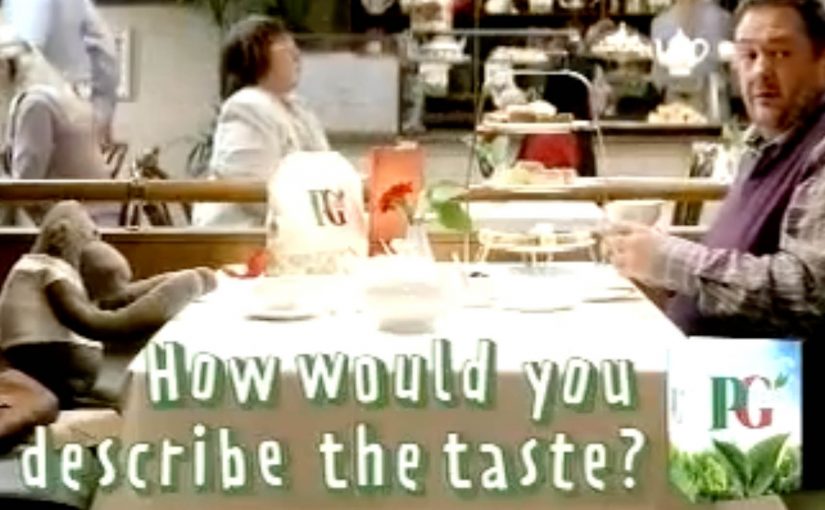
PG Tips: Monkey Mimics Meg Ryan

Borrowing a famous scene to earn instant recognition

Johnny Vegas and Monkey recreate the famous “fake orgasm” scene from When Harry Met Sally, in the latest spot for PG Tips teabags.

How the idea works: pop-culture as a shortcut

The mechanism is simple. Pick a scene the audience already knows, then swap in your characters so the viewer does the pattern matching for you. Recognition arrives fast, and the ad gets a free head start on attention.

In UK FMCG advertising, parody can be a high-efficiency device because it compresses setup time. The viewer brings the context, the brand supplies the twist.

Why it lands: shared memory plus character chemistry

It works because the reference is collective. People enjoy being “in on it”, and the PG Tips Monkey plus Johnny Vegas dynamic makes the imitation feel playful rather than forced.

Extractable takeaway: If the audience supplies the context, your job is to make the brand-owned twist the reason the scene is worth remembering.

The business intent: make a commodity feel culturally present

Teabags are not a high-involvement product. So the job is distinctiveness. This approach uses humour and familiar cultural material to make the brand easier to remember and easier to talk about.

The real question is whether the reference makes the brand more distinctive, or just more familiar for a moment.

If you cannot make the twist brand-owned. Meaning it only works with your brand’s characters or point of view. Do not run the parody.

How to use parody without becoming a copycat

  • Choose a reference your audience actually shares. If recognition fails, the ad becomes confusing.
  • Make the twist brand-owned. Do not just recreate. Add a character or behaviour only your brand can deliver.
  • Keep the pacing tight. Parody works best when the “aha” arrives quickly.
  • Use comedy to increase recall, not distract from it. The laugh should point back to the brand.

A few fast answers before you act

What is this PG Tips ad doing?

It parodies a famous scene from “When Harry Met Sally” by recreating it with the PG Tips Monkey and Johnny Vegas to earn instant recognition and humour.

What is the core mechanism?

Pop-culture as a shortcut. The viewer brings the context, and the brand supplies the twist, so attention arrives faster than a fresh setup would allow.

Why does parody help memory when it is done well?

Recognition creates a quick “I know this” moment, and the shared reference makes the ad feel culturally present rather than purely commercial.

What is the risk to manage with parody?

If the reference overwhelms the brand, the audience remembers the scene but forgets the advertiser. The twist must be brand-owned.

What is the most transferable takeaway?

Choose a reference your audience truly shares, deliver the “aha” quickly, and make the brand-specific twist the reason the parody exists.
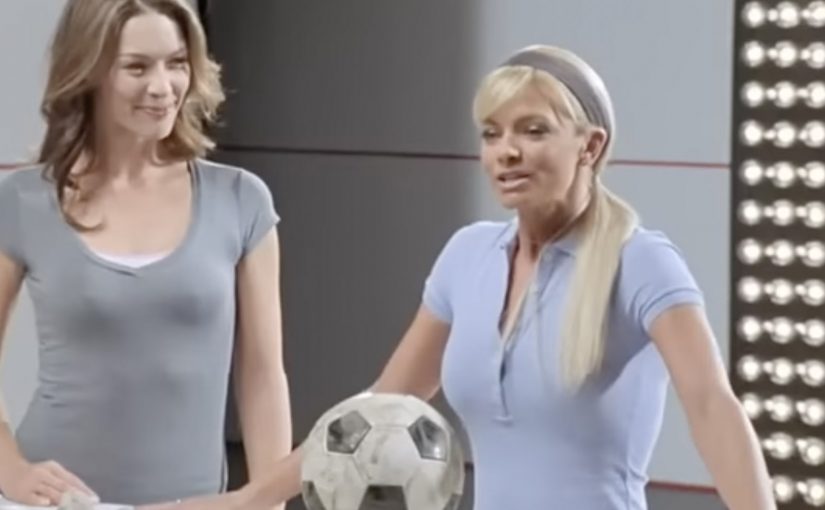
AXE: Clean Your Balls

Denese Saintclaire and Monica Blake explain how to clean your balls with AXE Detailer.

The joke is the product demo

This is a classic late-night infomercial parody, built around a single mechanism: a straight-faced product demonstration that keeps sliding between “sports balls” and the innuendo it clearly wants you to hear. The longer it holds the tone, the funnier the tension gets.

Here, the mechanism is the repeatable comic device: a deadpan demo that keeps turning a product explanation into a double-meaning gag.

In men’s grooming marketing, humor works best when it demonstrates a real usage truth and makes the explanation repeatable in one sentence.

Why it lands

It lands because the format is instantly familiar, and the creative twist is instantly obvious. Viewers do not need context, and they do not need to like the brand to share the joke. The film also earns attention by overcommitting. It plays the parody long enough that it feels like a “real” segment, not a 15-second gag.

Extractable takeaway: When your product benefit is simple, consider a long-form demo that overexplains it in a familiar TV format, then add one clear comedic mechanism people can retell without quoting your copy.

What the brand intent is

The real question is not whether the joke is crude, but whether the product demo stays clear enough to survive the joke.

This works because the product stays visible and the humor never overwhelms the selling point.

The intent is to make a shower tool feel like a necessary piece of male kit, not an optional accessory. The humor is doing the distribution work, while the “tool” positioning gives the brand something more ownable than another body wash claim.

What to steal from the infomercial parody

  • Borrow a trusted format. Infomercial grammar is universal and fast to understand.
  • Commit to one mechanism. Here it is the double-meaning demo, repeated and escalated.
  • Make the product visible early. The joke never hides what is being sold.
  • Let tone do the targeting. The people who laugh are the people who share.

A few fast answers before you act

What is the AXE “Clean Your Balls” video?

A branded infomercial-style parody promoting the AXE Detailer shower tool, using “ball” cleaning as a repeated double-meaning product demo.

Is this mainly an awareness play or a conversion play?

Primarily awareness and shareability, with product education folded into the entertainment so the viewer still understands what is being sold.

What makes the mechanic effective?

It is instantly legible. A familiar TV format plus one obvious comedic twist that escalates without needing explanation.

What is the biggest risk with humor like this?

Polarization. The same innuendo that drives sharing can also turn off parts of the audience, so placement and brand fit matter.

How can a brand replicate the effect without sexual humor?

Keep the structure. Use a familiar demo format, then introduce one clear, repeatable twist that shows the benefit in an exaggerated but understandable way.