

Oishi Green Tea: Boobs and Tea

This Thai TV commercial is for Oishi Green Tea, and it plays with a cheeky visual gag that links the drink to an exaggerated, attention-grabbing “benefit”. It is knowingly silly, and it uses that silliness to earn recall.

The visual gag at the center

The mechanism is classic comedic advertising. Set up a normal scene, introduce a sudden, unexpected twist, then let the audience do the interpretation. The product stays simple. The story does the heavy lifting.

In mass-market FMCG beverage advertising, suggestive humor is often used as a shortcut for memorability when functional differences are hard to dramatize.

The real question is whether the brand stays simple enough for the joke to land in one glance, rather than letting the cheekiness become the whole point.

Why it lands

This works because it commits to one clear joke and delivers it fast. The “wait, did that just happen” moment creates the share impulse because surprise plus instant readability makes the scene easy to retell, even if you only half-watch it.

Extractable takeaway: If you want a low-budget TVC to stick, build around one instantly readable twist. Then keep everything else ordinary so the twist has contrast and impact.

What to steal for your own brand film

  • One gag, clean payoff. A single idea executed clearly beats layered cleverness in short-form film.
  • Contrast is the engine. Ordinary setup plus unexpected shift is what makes the moment pop.
  • Do not over-claim. Let the audience infer the “benefit” as a joke instead of stating it as fact.
  • Make it retellable. If someone can summarize it in one sentence, it travels.

A few fast answers before you act

What is this ad doing in one sentence?

Using a cheeky, suggestive visual gag to make Oishi Green Tea memorable and talk-worthy.

Why does suggestive humor work in beverage ads?

It creates instant attention and recall, especially when the product itself is not visually dramatic.

What is the main creative discipline here?

Clarity. The twist has to read immediately, or the joke collapses.

What is the biggest risk with this style?

Backlash or misinterpretation if the tone feels crass, or if the “implied benefit” is read as a real claim rather than a joke.

What makes this kind of ad easy to share?

A single readable twist makes the film easy to retell in one sentence, which helps it travel beyond the first viewing.
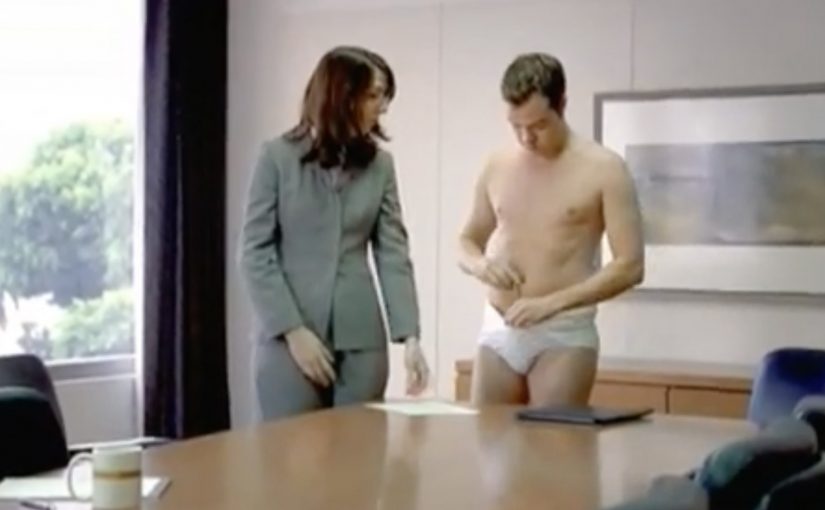
Bud Light: Clothing Drive

A simple gag, executed cleanly

A Bud Light ad credited to DDB USA plays as a pure setup-and-payoff joke. It does not over-explain itself. It just commits to the visual premise and lets timing do the work.

How the “clothing drive” trick works

The spot relies on controlled misdirection. Here, controlled misdirection means giving viewers just enough information to make the wrong prediction before the reveal corrects it. It establishes a familiar situation, encourages the viewer to predict what happens next, then flips that expectation with one sharp visual turn. The humor lands because the logic is coherent after the fact, even if you did not see it coming.

In mass-reach FMCG advertising, tight visual gags are a dependable way to earn attention without asking for extra cognitive effort.

The real question is whether the viewer gets the joke in a single beat and remembers the brand at the same time. For broad-reach comedy, restraint is the right call: one clean reversal beats extra explanation.

Why it lands

The joke is readable on mute, which makes it travel. The premise is also self-contained, so viewers can share it without needing context or explanation. When a brand already owns “easy-going fun,” this kind of execution reinforces that identity without resorting to slogans.

Extractable takeaway: If you want broad shareability, build a gag that is visually legible, hinges on one clear reversal, and resolves fast enough that people will replay it immediately.

Steal the visual-gag discipline

  • Make the setup ordinary. Normal scenes make the twist feel bigger.
  • Let the camera be the narrator. Clean framing and timing beat extra dialogue.
  • Optimize for mute viewing. If the joke works without audio, it works in feeds.
  • End on the cleanest frame. The final beat should be the one people remember and reshare.

A few fast answers before you act

What is Bud Light’s “Clothing Drive” ad?

It is a short comedic spot built around a “clothing drive” visual premise, using misdirection and a quick reveal to land the punchline.

What is the core creative mechanic?

Expectation management. A familiar setup invites a predictable outcome, then one visual reversal delivers the joke.

Why does mute readability matter here?

It makes the ad work in feeds, social clips, and distracted viewing environments where audio may be off but the visual payoff still has to land instantly.

Why are visual gags effective for beer brands?

They match the social, low-friction viewing context. Bars, parties, and feeds reward jokes that land quickly without explanation.

What’s the most transferable lesson for marketers?

Design the payoff so it is instantly understandable, even with no sound, and keep the entire arc short enough to trigger an immediate replay.