ASICS has a fine history not just in running sports, but also in the innovative use of technology. So at the Gold Coast Airport Marathon, a grueling 42km run, they created a powerful demonstration of running and technology by connecting runners with their supporters like never before.
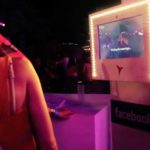
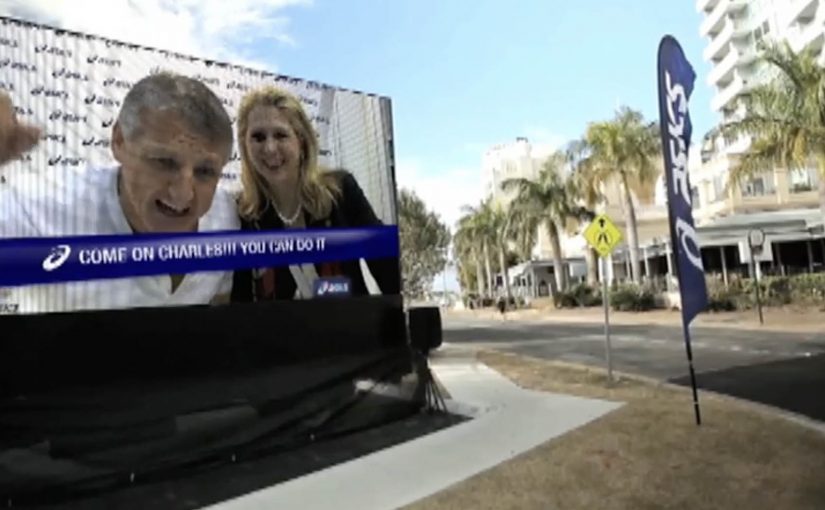
Runners were given RFID timing chips to connect their run with Facebook. RFID, or radio-frequency identification, lets a small chip be detected automatically at checkpoints. This allowed them to automatically post pre-written messages at checkpoints, along with distance run and remaining, live timing, and location data plotted on Google Maps. At the same time, friends and loved ones were able to upload video messages of support, which were triggered and played as runners approached giant screens along the course.
A marathon that posts for you, at the moments that matter
The clever part is not “Facebook integration.” It is the timing. Checkpoints are already emotional beats in a race. Effort spikes. Doubt kicks in. Motivation dips. By tying updates to those exact points, the campaign makes every status feel earned, and every reply from friends feel relevant. The real question is whether you can make that support arrive inside the effort, not after the finish.
Extractable takeaway: Automate sharing only at moments participants already care about, so updates feel like earned progress and support can land at the exact point it matters.
RFID is doing quiet work here. It removes manual posting friction, and it makes the updates feel live rather than staged, because the data is anchored to race progress.
In large-scale sports events, real-time data and social signals can turn spectators into an active support system that changes how the race feels while it is happening.
Support that shows up on the course, not just in the comments
Most event social campaigns keep encouragement on a screen at home. This one brings encouragement into the race environment. The supporter uploads become on-course content, triggered when the runner is near, so the message arrives in the body, not just in the feed.
That shift matters. It turns “cheering” from a passive gesture into an intervention, and it gives runners a reason to care about the system mid-race, not only after finishing. This kind of activation is worth building only when the trigger system is reliable enough to feel invisible to the runner.
Reported outcomes, and what they imply
The campaign reported that 2,000 runners, described as 15%, connected their run with Facebook. It also reported 6,000 messages of support uploaded, 1,000 video messages created at the event, and 35% of runners receiving video support. Additionally, it reported thousands of unique status updates from inside the race, 25,850 unique visitors to the microsite, and tens of thousands of return comments from friends and family.
Even if you strip the numbers back, the strategic takeaway is clear. When you connect performance data to social response, you create a loop. Effort generates updates. Updates generate support. Support reinforces effort.
Steal this support-loop pattern for your next event
- Attach the experience to natural moments. Checkpoints, milestones, and thresholds beat “post whenever you want.”
- Automate the boring part. If the participant must manually publish, most will not.
- Bring support into the physical environment. On-course screens, audio, or wearable prompts outperform distant encouragement.
- Give supporters a real role. Uploading a message is simple, but it feels meaningful when it is triggered at the right time.
A few fast answers before you act
What is the core mechanic of “Run With Me”?
RFID-triggered race checkpoints publish pre-written social updates, while supporter videos are triggered on giant screens as runners approach.
Why does RFID matter here?
It makes the experience hands-free. The system captures progress automatically, so runners do not have to stop or think about posting.
What makes the supporter videos more powerful than normal social comments?
They appear in the runner’s world during the effort, not after it. Timing plus proximity turns a message into motivation.
What is the biggest risk when building this kind of live experience?
Reliability. If triggers misfire or content appears late, the emotional payoff collapses. The tech has to feel invisible and dependable.
How do you measure success beyond impressions?
Opt-in rate, supporter participation rate, trigger completion rate, and whether the loop changes behavior, for example more mid-race engagement and higher repeat participation intent.