
Pepsi: The Recycling Rethink

Pepsi: The Recycling Rethink

Sustainability marketing breaks when the system stays the same

Most sustainability marketing fails when the operating reality does not change, and the message asks consumers to do more while leaving the friction, reward, and moment of action unchanged.

That is exactly the problem here. Special Australia says two out of every three plastic and aluminium containers in Australia still do not get recycled, and Pepsi’s promotion in New South Wales (NSW) only worked because it added a materially better incentive to an existing 10c deposit system in a promotion that ran until 22 November 2025.

The Pepsi example is one of the stronger sustainability ideas in recent memory because it changes the behaviour system, not just the brand message. It also won a Gold Spike in Creative Commerce at Spikes Asia 2026.

Pepsi moved the incentive into the machine

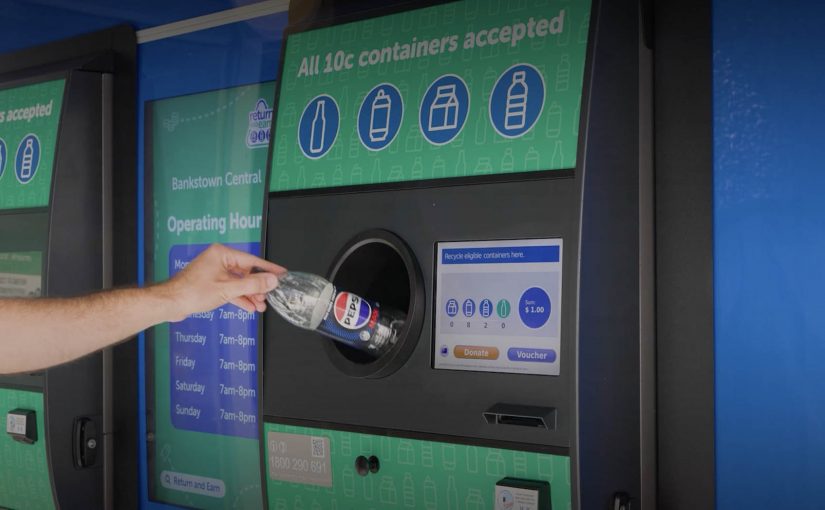
Pepsi worked with TOMRA and the NSW Government-run Return and Earn program to add new code to existing reverse vending machines. A reverse vending machine is an automated kiosk that identifies eligible drink containers and issues the deposit refund. The updated flow let a Pepsi barcode trigger an additional voucher and QR journey on top of the standard 10c return, turning a fixed refund mechanic into a live, brand-specific incentive layer inside an existing public recycling system. Alongside the standard 10c refund, the program also added an A$100,000 bonus prize pool, with rewards ranging from A$100 to A$50,000 for eligible Pepsi containers returned through voucher-printing machines in New South Wales.

In operating terms, this is a physical touchpoint workflow redesign, not a media idea bolted onto recycling.

That distinction matters. The innovation was not the poster, the social edit, or the sustainability language. It was the decision to move the brand intervention into the verified transaction itself, where intent, identity, reward, and action already meet.

The real question is not whether consumers care about recycling. It is whether the system makes the desired action feel worth doing right now.

Because the reward is triggered inside the act itself, the behaviour no longer depends on recall or guilt. It depends on immediate reinforcement.

Why this lands beyond one Pepsi promotion

Award-entry materials published on Lions platform The Work say Pepsi container recycling rose 16% in the first week, that 242,000 people participated after eight weeks, and that the initiative delivered a claimed 37% increase in ROI. The same materials say the code was built for broader rollout, while TOMRA says its reverse vending footprint exceeds 87,000 installations in more than 60 markets.

That is the commercially interesting part. The scarce asset here is not ad inventory. It is installed infrastructure that already sits inside a trusted public behaviour loop.

The lesson for enterprise teams is familiar. You usually get more lift by redesigning the moment architecture than by layering one more awareness burst on top of an unchanged flow.

This is why the idea reads like business-tech translation rather than campaign theatre. Pepsi translated a brand objective into machine logic, barcode recognition, partner coordination, and operational rollout across an existing public system.

It is not infinitely portable. Scale would still depend on program operators, machine access, software control, barcode governance, regulatory approval, fraud prevention, and economics that still work after the novelty wears off.

What enterprise teams should take from Pepsi’s recycling redesign

If you want behaviour change, start by auditing the live touchpoint, not the comms plan. Find the moment where the action is verified, identify what data the system already sees, and then ask whether that data can trigger a better reward, message, or next step without rebuilding the whole stack. What Pepsi and its partners changed was not consumer intent. They changed the structure around the decision.

The takeaway is straightforward: when a habit is stuck, stop spending all your energy on persuasion and redesign the transaction layer where the behaviour actually happens.


A few fast answers before you act

What did Pepsi actually change?

Pepsi did not just run recycling creative around the program. It worked with TOMRA and the Return and Earn system to make Pepsi barcodes trigger an additional voucher and QR-based reward flow inside existing reverse vending machines.

Why is this stronger than a normal sustainability ad?

A normal ad leaves the recycling action unchanged. This idea changed the reward logic at the point of verified behaviour, which gives it more operating value than another awareness message.

Could other brands copy the model?

In principle, yes. Special says the functionality is compatible with TOMRA’s broader machine network, and TOMRA says its reverse vending footprint spans more than 60 markets. Whether another brand could actually deploy it would depend on local program requirements, operator permissions, and commercial logic.

What would stop it scaling?

The main blockers are governance and economics, not creativity. A rollout would need machine access, software control, regulatory approval, barcode integrity, fraud safeguards, and a reward model that still makes sense once expanded.

Did it produce measurable results?

Award-entry materials published on Lions platform The Work say Pepsi container recycling rose 16% in the first week, that 242,000 people participated after eight weeks, and that the initiative delivered a claimed 37% increase in ROI.
A Can Size for Every Aussie

A Can Size for Every Aussie

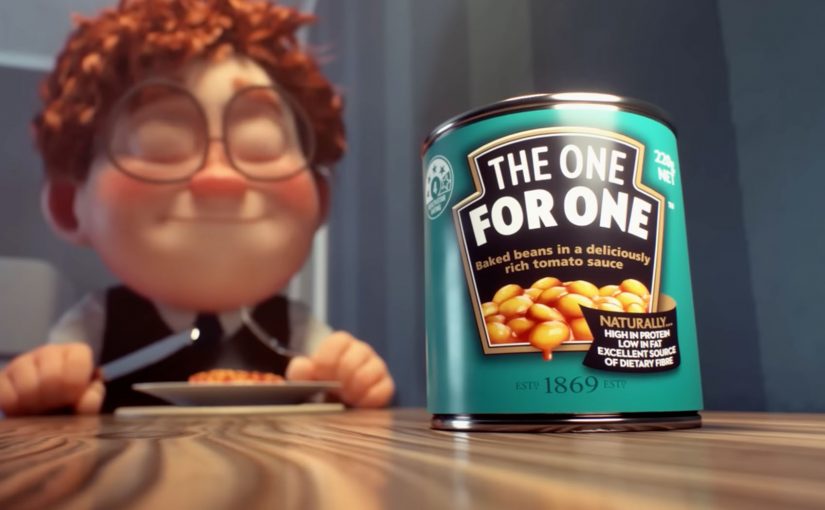
Kraft launches four new sizes of Heinz baked bean cans with a three-minute “life narrative” film. It follows Geoff, a man addicted to beans, and his future wife, whom he meets in the spaghetti department. The story builds to the punchline. Geoff “invents” a range of can sizes that feels perfect for different Australian occasions.

The creative choice is doing a lot of work. It turns something that is normally functional and forgettable. Pack size. Into a character-driven narrative that is easy to watch and easy to remember.

The insight behind the pack strategy

In 2016, Kraft commissions consumer and shopper research to understand how Australians use Heinz beans and spaghetti. The key finding is straightforward. People want ideal can sizes that suit different occasions.

Four sizes is not “more choice” for its own sake. It is a response to a usage reality. One household does not always need the same portion format.

Why a film is the right container for a packaging story

Packaging benefits can sound like rational product copy. This film makes the point emotionally, then lands it practically.

Extractable takeaway: When the product change is useful but easy to ignore, story can turn the format logic into something people can retell.

In FMCG portfolios, format expansion only scales when shoppers can instantly see why each variant exists.

This is the right strategic move because the job is not to announce four SKUs. It is to make each size feel like an intuitive answer to a real usage moment, so the portfolio looks helpful instead of bloated.

The real question is whether the audience immediately understands why more pack formats improve everyday use.

The narrative format also solves a distribution problem. It gives the campaign a reason to be watched and shared even by people who do not currently care about can sizes.

What to steal if you are launching format variants

  • Start with a concrete usage insight, not a portfolio decision.
  • Give the variant story a memorable mental model. Here, “a can size for every occasion.”
  • Use entertainment to earn attention. Then let the product logic feel obvious, not forced.

A few fast answers before you act

What is being launched here?

Four new sizes of Heinz baked bean cans.

What insight drives the launch?

Kraft’s research shows Australians are looking for ideal can sizes to suit different occasions.

How is the launch communicated?

Through a three-minute life narrative film featuring Geoff and his future wife in the spaghetti department.

What is the core marketing technique?

Use story to make a functional packaging benefit feel human, memorable, and worth sharing.

Why not just announce the new sizes directly?

Because the film helps the audience feel the usefulness of the size range, rather than processing it as a dry packaging update.

Oakley: Pro Vision with Google Cardboard

Oakley: Pro Vision with Google Cardboard

When you picture a virtual reality (VR) headset, you probably imagine something high-tech and far too expensive to feel practical. Google Cardboard takes that assumption and flips it by turning a simple cardboard cutout into a phone-powered VR viewer.

Oakley borrows that logic and puts it exactly where people already accept cardboard. The packaging. Instead of being thrown away, the box becomes the device that unlocks the experience.

Packaging that turns into a VR product

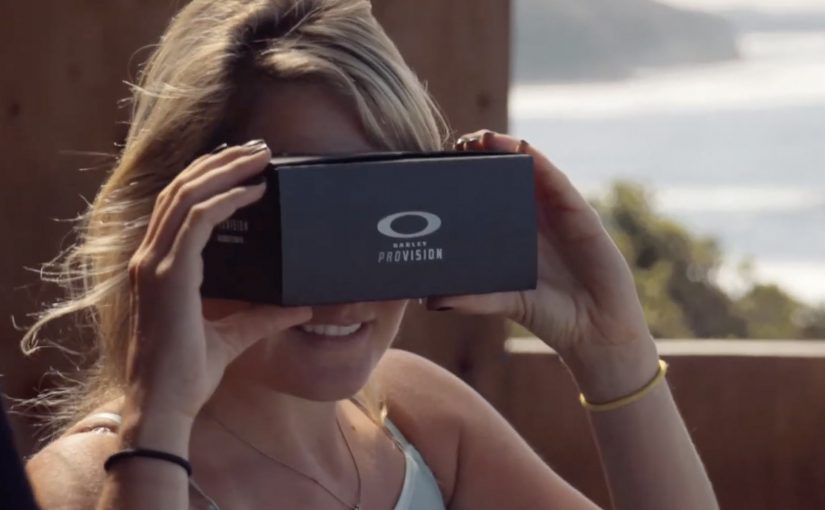
Google launched Google Cardboard as a cardboard cutout that turns Android phones into a VR headset. Oakley integrates that fold-and-slot concept into its sunglass packaging, so customers can transform the pack into a viewer and use their phone to access 360-degree content.

The payoff is described as a “you are there” look at extreme sports like surfing, skiing, mountain biking, skateboarding, and skydiving. It is less about specs and more about perspective.

In consumer product marketing, converting packaging from waste into a usable experience can create perceived value without adding new components.

Why this lands for an action-sports brand

This works because the medium matches the promise. Oakley is not only showing extreme sports. It is letting you look from inside the moment, using viewer control to make the content feel personal. The “VR made from packaging” twist also creates a good kind of surprise. The customer discovers the brand added value where they expected disposal.

Extractable takeaway: If your story is about immersion or perspective, build the experience trigger into something the customer already touches, then let the first interaction deliver the benefit before they read any explanation.

The commercial intent underneath

This is a purchase-adjacent experience. It turns the post-purchase moment into brand time, and it extends the product narrative beyond the sunglasses themselves. The packaging becomes a bridge between retail and content, with the customer doing the assembly that makes the story memorable.

The real question is whether the packaging can turn post-purchase curiosity into a usable brand experience, not whether it can imitate premium VR hardware.

What to steal from packaging-led immersion

  • Reuse an accepted “throwaway” material. If it is already in hand, it is frictionless distribution.
  • Make the first use obvious. Assembly and activation should be legible without instructions.
  • Match the experience to brand territory. Immersive POV content fits performance and extreme sports.
  • Design for sharing. If it looks clever on camera, people will demonstrate it for you.

A few fast answers before you act

What is Oakley Pro Vision in this context?

It is a packaging-led idea where an Oakley box folds into a Google Cardboard style VR viewer, using a phone to deliver 360-degree extreme sports content.

Why use Google Cardboard instead of a dedicated headset?

Because it lowers cost and setup. A phone plus folded cardboard is enough to deliver an immersive experience without asking people to buy new hardware.

What does 360-degree content add versus normal video?

It gives viewer control over where to look, which increases the sense of presence and makes the experience feel closer to a real point of view.

Where does the marketing value come from?

From turning packaging into a reusable object and extending brand time after purchase, while linking the product to high-adrenaline moments people want to feel.

What is the main failure mode with this pattern?

If the fold, fit, or onboarding is unclear, people will not assemble it. The physical usability has to be as strong as the content.