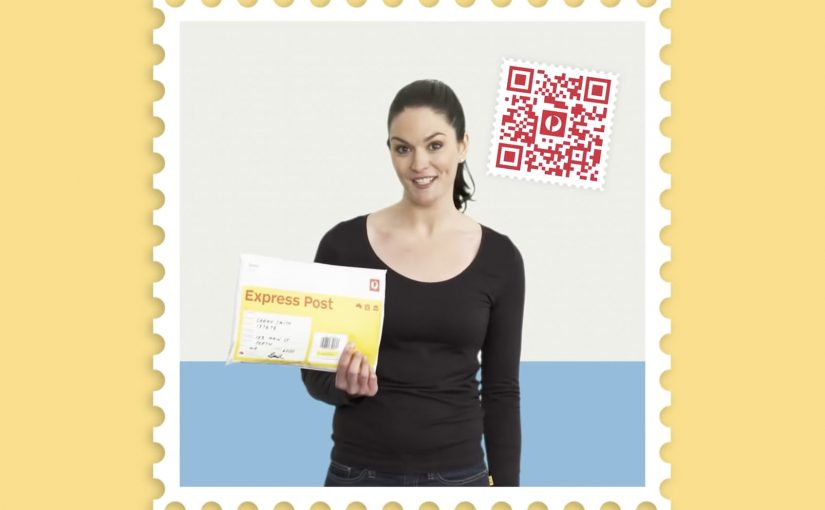
Unpacking a parcel can feel a bit like unpacking a gift. Australia Post builds on that instinct with a “video stamp” that lets senders add a personal message to a package.
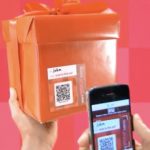
The mechanic is straightforward. A QR code stamp is linked to a custom video message, so the recipient scans the stamp and watches a personal clip as part of the unboxing moment.
How the video stamp works
The value sits in the linkage between physical and digital. The parcel carries a QR stamp, the QR routes to a hosted video message, and the message becomes part of the delivery experience without changing the logistics underneath.
In holiday postal services and gifting moments, a simple personalization layer can increase perceived value without changing the core delivery product.
Why this lands
This works because it upgrades a utilitarian service into an emotional ritual. The postal service delivers the object, but the sender delivers the moment. The QR stamp is also a clean trigger because it is familiar, fast, and naturally placed where attention already goes during unboxing.
Extractable takeaway: If your product is operational by nature, add a lightweight digital layer that attaches to a physical touchpoint, so the experience gains meaning without adding friction to the core process.
The idea in context
Linking codes to personal messages is a proven pattern. J.C. Penney linked QR codes to voice messages in their Santa Tags sticker campaign in 2011. There was also a concept video circulating about a similar DHL-style Christmas video packet service. The notable part here is the step from concept and retail experiments into a postal service implementation.
The real question is not whether a QR code can play a video, but whether a postal service can make a routine delivery feel personal without complicating the service.
This is a smart service-layer idea because it adds emotion without asking the postal operation to become something else.
What postal and gifting teams can reuse
- Attach meaning to a routine moment. Unboxing is already emotional. Add a trigger there.
- Use a familiar bridge. QR is low-explaining and low-friction.
- Let the sender create the content. Personalization scales when users do the work willingly.
- Keep it additive. The digital layer should not interfere with delivery, tracking, or operations.
A few fast answers before you act
What is an Australia Post video stamp?
It is a QR code stamp on a parcel that links to a custom video message, so the recipient can scan and watch a personal clip.
Why does this work especially well at Christmas?
Because parcels are already treated like gifts. A video message makes the delivery feel more personal and intentional.
Is this a new idea or a new implementation?
The underlying concept has existed in other forms, but the notable move is a postal service implementing it as a practical consumer feature.
What’s the main UX requirement for this to succeed?
Instant playback with minimal steps. If scanning leads to friction, the emotional moment disappears.
What’s the easiest way to copy the pattern?
Identify a physical touchpoint people already look at, then attach a scannable trigger that opens a personal message or content layer immediately.