An honesty test on a crowded Lima street
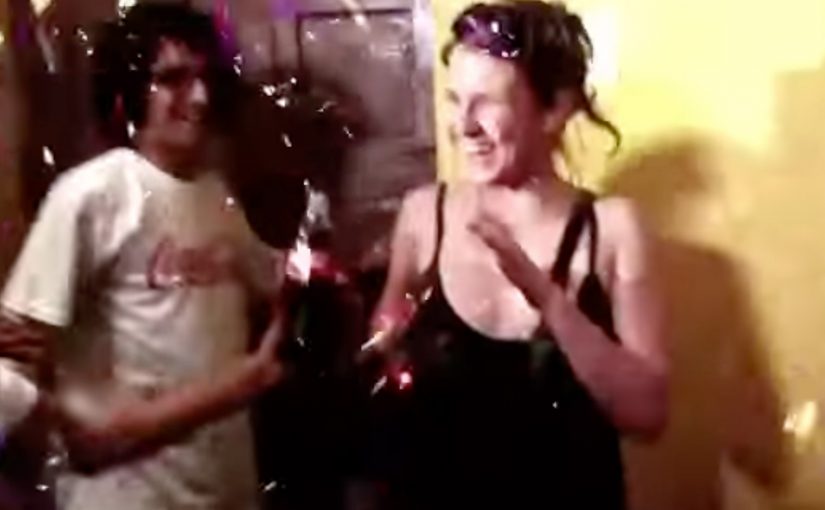
As part of an experiment in a very crowded Lima district in Peru, Coca-Cola with their agency McCann Erickson deliberately left a wallet containing $100 on the street. With it they tested people’s honesty.
A $100 question, asked in public
The brilliance is how quickly the situation reads. Find the wallet. Notice the money. Decide what kind of person you want to be, with nobody asking you anything.
In social experiment storytelling, a simple moral trigger creates instant comprehension and invites viewers to project themselves into the decision. Here, a moral trigger means a moment that forces a right-versus-wrong choice without explanation.
In global FMCG brand storytelling, street-level honesty tests like this travel because they turn a private value into a public, watchable moment.
Why you keep watching
You are not just judging strangers. You are quietly measuring yourself against what you hope you would do. The real question is what you do when the right choice is clear, but no one is holding you accountable. That internal comparison is the engine of the film. Because the choice is legible and unprompted, viewers can run the same decision in their own head, which keeps them watching.
Extractable takeaway: If your mechanic makes viewers instantly ask “what would I do,” the story carries itself without narration.
What the experiment is trying to reveal
People’s honesty, observed in a real public setting through a simple, high-stakes trigger.
What to borrow from a public honesty test
- Choose a mechanic that is universal and legible without narration. In this context, “mechanic” means the simple rule that generates the behavior you want to capture.
- Keep production minimal so human reaction stays central.
- Let the audience do the interpreting. A good social test creates its own debate.
A few fast answers before you act
What did Coca-Cola do in Lima?
They left a wallet containing $100 on the street in a crowded district to test people’s honesty.
Where did this take place?
In a crowded district of Lima, Peru.
Who created the campaign?
The post credits Coca-Cola and McCann Erickson.
Why does the film hook people so fast?
Because the dilemma is instantly legible: you see the wallet, notice the money, and immediately imagine what you would do.
What was the point of the experiment?
To observe how people would react when they found a wallet with money in a real-world public setting.