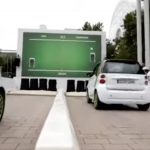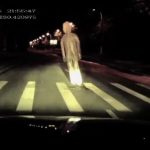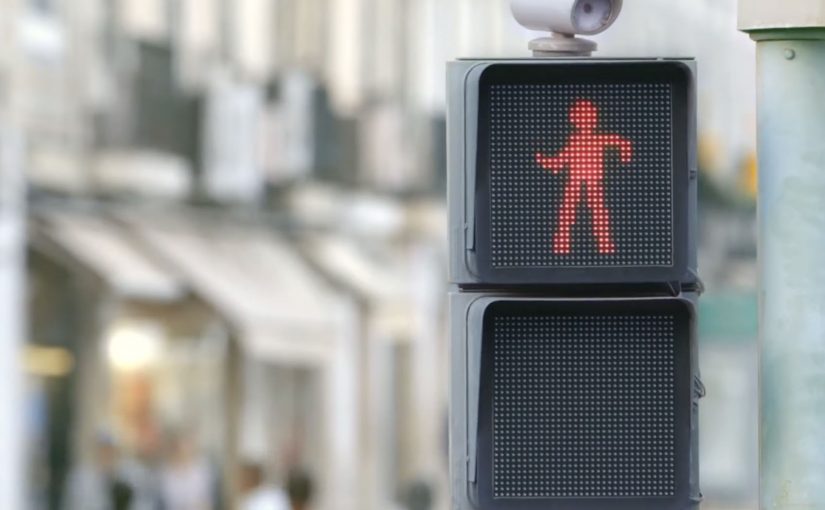
Traffic lights can be dangerous for pedestrians, especially for those who do not like to wait for the light to change. So the Smart team from Mercedes-Benz created “The Dancing Traffic Light”, where a person’s dance moves were brought to a traffic light in real time. As a result, 81% more people stopped at that red light.
A red light that earns attention
The mechanism is simple. Put a person’s live dance into the “don’t walk” figure so waiting becomes entertainment rather than dead time. The red signal stays red, but the moment changes from friction to curiosity.
In busy cities, pedestrian safety interventions work best when they change what people do in the waiting moment, not when they rely on warnings people already ignore.
Why it lands
This works because it does not moralize. It redirects impatience. By turning the red figure into live motion, it converts passive waiting into anticipation, which is why people keep their attention on the signal instead of acting on impulse. People stop because they want to see what happens next, and because the signal feels like it is doing something for them instead of only restricting them.
Extractable takeaway: If your goal is compliance in a repeated micro-moment, do not just increase instruction. Add a small, repeatable reward that makes the safer choice feel like the more interesting choice.
What the brand is really demonstrating
The real question is how to make waiting at the curb feel better without weakening the rule itself.
The installation is framed as a safety idea, but it also functions as a brand proof point. “Smart” city thinking is expressed as an everyday behavior fix, not a futuristic gadget.
The stronger idea is not the choreography. It is the use of delight as a safety mechanism.
What to steal from this crossing
- Design for boredom. Most unsafe shortcuts happen when people are impatient. Solve the impatience.
- Keep the rule intact. The light still means stop. Only the experience changes.
- Use real-time participation. Live input creates social magnetism and makes the system feel alive.
- Measure behavior, not buzz. The strongest metric here is stopping behavior at the crossing, not views.
A few fast answers before you act
What is “The Dancing Traffic Light”?
It is an interactive pedestrian signal concept where a red “don’t walk” figure mirrors a nearby person’s dance moves in real time to make people more willing to wait.
What problem does it solve?
It reduces risky crossing behavior driven by impatience, by making the waiting phase more engaging.
Why does real-time motion matter?
Because it creates unpredictability and social attention. People watch longer when the content is live and human.
What kind of metric should you track for ideas like this?
Behavior change at the location, such as stopping and waiting rates, plus any reduction in unsafe crossing incidents.
How can another brand adapt this pattern?
Find a repeated safety or compliance moment, keep the rule unchanged, and add a small live reward that makes the safe choice feel like the better choice.