
Antarctica: The Beer Turnstile

Carnival in Rio de Janeiro drives alcohol consumption up, and it also drives traffic risk up with it. Traditional safety warnings are easy to ignore in the middle of a street party.

Antarctica, as an official sponsor of Carnival, decides to make the safer choice feel easier than the risky one. With AlmapBBDO, they install a “beer turnstile” at a subway station where carnival groups gather. Scan an empty Antarctica can at the gate and the turnstile opens, giving you a free ride home.

Turning an empty can into a ticket

The mechanism is a direct behavior swap. Instead of telling people not to drink and drive, the brand turns public transport into the reward for doing the right thing. The “payment” is an empty can, scanned like a transit card, then collected at the turnstile.

In big-city event environments, the most effective safety interventions reduce friction at the exact moment decisions get made, and they do it with an incentive people can use immediately.

Why it lands

This works because it replaces moralizing with utility. The act is simple, public, and repeatable, and it reframes the end of the night as a next step you can take without planning. The real question is how to make the safer ride home easier than the risky one when people are already in motion. It also keeps the brand inside the solution rather than just beside the problem, which makes the sponsorship feel like action, not signage.

Extractable takeaway: If you want behavior change at scale, stop asking for restraint. Build a one-step alternative that fits the moment, then reward the safer behavior with access people already want.

What the beer turnstile gets right

  • Reward the right behavior at the decision point. Do not place the incentive after the moment has passed.
  • Use a token people already hold. An empty can is a frictionless “ticket” during Carnival.
  • Make it visible. A physical gate turns participation into social proof.
  • Keep the story one sentence long. “Scan a can. Ride free.” travels fast.

A few fast answers before you act

What is the Beer Turnstile?

A subway gate that accepts an empty Antarctica beer can as the “fare”, unlocking free travel during Carnival to reduce drunk driving.

Why is this more effective than a standard “don’t drink and drive” message?

Because it changes the default action. It makes the safe option simpler, faster, and immediately rewarding in the same moment people need to get home.

How does the can scanning work in practice?

The can’s code is scanned at the turnstile like a transit credential, then the can is collected as part of the exchange.

What results were reported for the activation?

Campaign write-ups reported usage of around 1,000 people per hour at the special gate, cited as 86% higher than conventional turnstiles that day, and a reported drop in drunk drivers caught of 43%.

When should brands use “brand utility” mechanics like this?

When a safety or public-good goal depends on real-time choices, and the brand can provide an immediate alternative action rather than just awareness.
Antarctica: Beer Breathalyzer

Drinks giant Ambev aims to reduce drinking and driving in Brazil. Together with agency AlmapBBDO, it brings a unique Antarctica beer “breathalyzer” activation into bars to show young adults how alcohol affects judgement.

A bar experience that turns a warning into a reveal

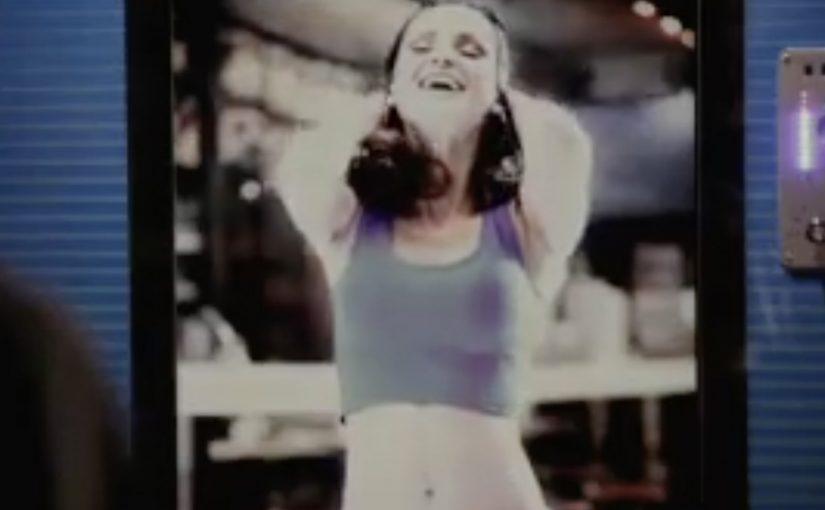
Video screens are placed in bars, and a friendly, normal-looking girl invites customers to take a breath test by breathing into the machine.

If the reading suggests they’re sober enough, the moment ends. If the machine detects alcohol, the on-screen character transforms into a gyrating, seductive “beauty” and the unit prints a discount voucher for a taxi company.

The mechanic: demonstrate impaired judgement, then offer the safer choice

The creative trick is to dramatize the very thing alcohol distorts: perception. By making the “wrong” reaction feel obviously wrong, the campaign turns a safety message into something people feel instantly, not something they are told to remember later.

The real question is how to interrupt the decision before someone leaves the bar thinking they are still fine to drive.

In nightlife contexts, responsible-drinking work is strongest when the safer alternative is offered at the exact decision point.

Why it lands: it replaces lecturing with a moment of self-recognition

Most anti-drink-driving communication relies on fear or shame. This execution uses surprise and self-awareness, then nudges the next best action without moralizing.

Extractable takeaway: For high-friction behavior change, pair a fast “mirror moment” (show me I’m not fit to decide) with an immediate off-ramp (make the safer option easy, discounted, and right there).

What to steal for your own safety or responsibility campaign

  • Put the intervention where the decision happens: bars, venues, exits, car parks, pickup points.
  • Make the insight experiential: one surprising reveal beats ten lines of copy.
  • Offer the alternative instantly: the voucher is the conversion mechanism, not a side benefit.
  • Keep the interaction short: fast participation increases uptake and social watching.
  • Design for talk value: if people describe it easily, it spreads beyond the venue.

A few fast answers before you act

What is the Antarctica Breathalyzer activation?

It is a bar-installed breath test experience that uses an on-screen transformation to illustrate impaired judgement, then prints a discounted taxi voucher when alcohol is detected.

Why does a taxi voucher matter in this context?

Because it converts awareness into action. The campaign does not just warn you. It gives you a practical way to avoid driving right now.

What is the behavioral insight behind the “transformation”?

Alcohol can distort perception and decision-making. The exaggerated change on screen is a fast metaphor designed to make that distortion obvious and memorable.

What’s the biggest risk in copying this idea?

Tone. If the execution feels mocking, sexist, or unsafe, it can backfire. The experience needs to motivate safer choices without humiliating participants.

How do you measure success for this kind of activation?

Participation rate per venue, voucher redemption rate, uplift in taxi usage during activation windows, and any local incident or enforcement indicators you can ethically and legally access.