
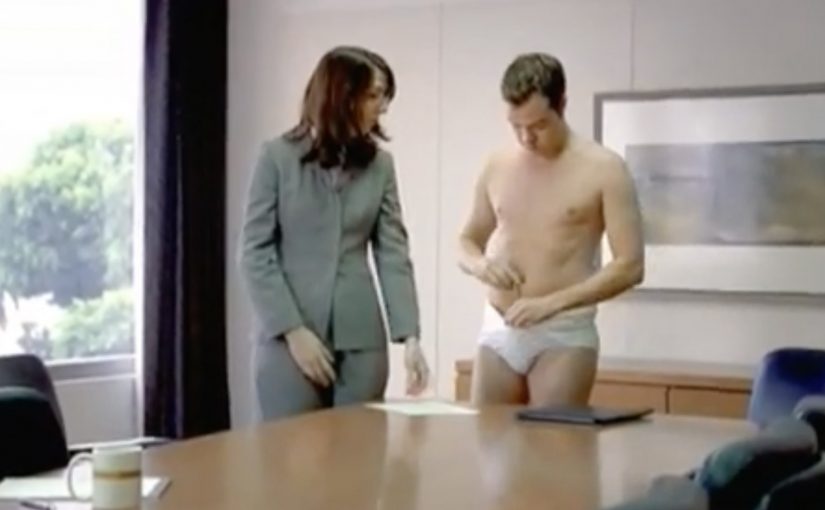
Bud Light: Clothing Drive

A simple gag, executed cleanly

A Bud Light ad credited to DDB USA plays as a pure setup-and-payoff joke. It does not over-explain itself. It just commits to the visual premise and lets timing do the work.

How the “clothing drive” trick works

The spot relies on controlled misdirection. Here, controlled misdirection means giving viewers just enough information to make the wrong prediction before the reveal corrects it. It establishes a familiar situation, encourages the viewer to predict what happens next, then flips that expectation with one sharp visual turn. The humor lands because the logic is coherent after the fact, even if you did not see it coming.

In mass-reach FMCG advertising, tight visual gags are a dependable way to earn attention without asking for extra cognitive effort.

The real question is whether the viewer gets the joke in a single beat and remembers the brand at the same time. For broad-reach comedy, restraint is the right call: one clean reversal beats extra explanation.

Why it lands

The joke is readable on mute, which makes it travel. The premise is also self-contained, so viewers can share it without needing context or explanation. When a brand already owns “easy-going fun,” this kind of execution reinforces that identity without resorting to slogans.

Extractable takeaway: If you want broad shareability, build a gag that is visually legible, hinges on one clear reversal, and resolves fast enough that people will replay it immediately.

Steal the visual-gag discipline

  • Make the setup ordinary. Normal scenes make the twist feel bigger.
  • Let the camera be the narrator. Clean framing and timing beat extra dialogue.
  • Optimize for mute viewing. If the joke works without audio, it works in feeds.
  • End on the cleanest frame. The final beat should be the one people remember and reshare.

A few fast answers before you act

What is Bud Light’s “Clothing Drive” ad?

It is a short comedic spot built around a “clothing drive” visual premise, using misdirection and a quick reveal to land the punchline.

What is the core creative mechanic?

Expectation management. A familiar setup invites a predictable outcome, then one visual reversal delivers the joke.

Why does mute readability matter here?

It makes the ad work in feeds, social clips, and distracted viewing environments where audio may be off but the visual payoff still has to land instantly.

Why are visual gags effective for beer brands?

They match the social, low-friction viewing context. Bars, parties, and feeds reward jokes that land quickly without explanation.

What’s the most transferable lesson for marketers?

Design the payoff so it is instantly understandable, even with no sound, and keep the entire arc short enough to trigger an immediate replay.
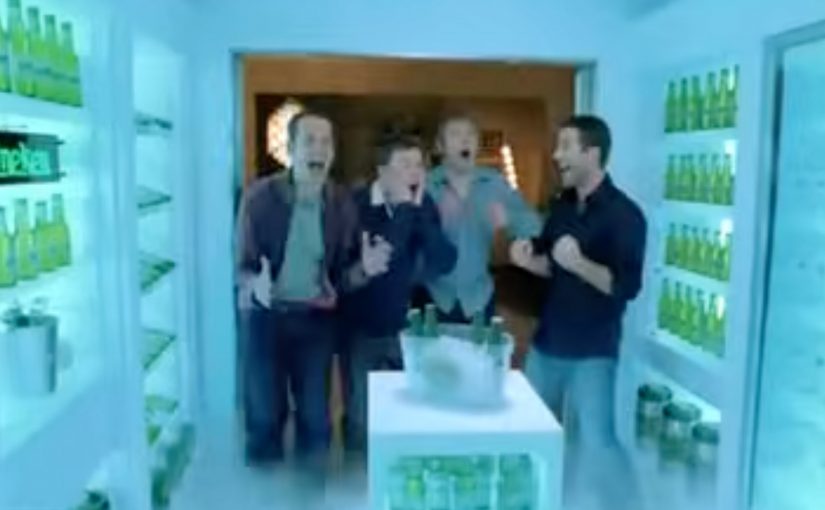
Heineken: Walk-in Fridge

Heineken’s “Walk-in Fridge” starts with a familiar house-tour setup. A woman shows her new place to a group of female friends while her partner gives his own tour to a group of male friends. The women reach the bedroom and open doors to reveal a spectacular walk-in closet, and they erupt.

Then everyone hears an even louder scream from down the hall. The men have just been shown the ultimate kitchen appliance. A huge walk-in refrigerator completely stocked with Heineken.

Why the twist works so well

The craft is all in the parallel structure. Two tours. Two reveals. Two reactions. The spot lets you predict the rhythm, then it flips the meaning. The women are thrilled by luxury storage. The men are ecstatic about cold beer on tap, at home, forever.

Extractable takeaway: Design for “one-sentence retellability”. That means someone can describe the premise in a single line and the punchline still lands before they even press play.

In global FMCG marketing, the most durable humor is the kind that delivers a one-frame payoff you can understand with the sound off.

The real question is whether your idea still lands as a single, instantly retellable visual beat.

What the ad is really saying about the brand

The fridge is not a product feature. It is a fantasy object. Heineken becomes the thing worth screaming for. That is premium positioning done through comedy, not copy lines. That is a positioning move worth copying when you need premium cues without heavy-handed copy.

It also uses the home as a stage for status. The walk-in closet signals taste. The walk-in fridge signals desire. Heineken wants to sit in that second category.

Distribution behavior built into the idea

This film is designed to travel online because the reaction is the asset. You do not need a celebrity. You do not need context. You just need the reveal and the scream.

That matters because the spot can earn attention in the exact environments where people skip ads, by being the kind of clip people choose to send each other.

Steal the reveal structure

  • Write for a single reveal. If the payoff is clean, the audience does the distribution.
  • Use symmetry. Parallel structure makes the twist feel inevitable, then surprising.
  • Make the reaction the headline. When the reaction is the story, you get replay value.
  • Build “one-sentence retellability”. If someone can pitch it instantly, it will spread.

A few fast answers before you act

What is the core idea of Heineken’s Walk-in Fridge?

It is a parallel-reveal comedy spot. Women celebrate a walk-in closet, then men celebrate a walk-in fridge stocked with Heineken, with the men’s reaction intentionally bigger.

Why does the parallel structure matter?

Because it creates rhythm and expectation. When the second reveal hits, the audience instantly understands the joke and the contrast without explanation.

What makes this feel “premium” rather than “cheap humor”?

The fantasy object is aspirational. The walk-in fridge is framed like a luxury upgrade, not a slapstick prop, so the brand inherits desirability from the setting.

What is the biggest risk in using gender-role jokes?

They can age badly. The safest way to use them is to keep the tone playful and the insight broad, and avoid implying that one group is smarter or better than the other.

What should you measure for a film built to travel online?

Measure retell accuracy, completion rate, and voluntary shares. If people can repeat the premise correctly and still want to send it, the mechanic is working.