
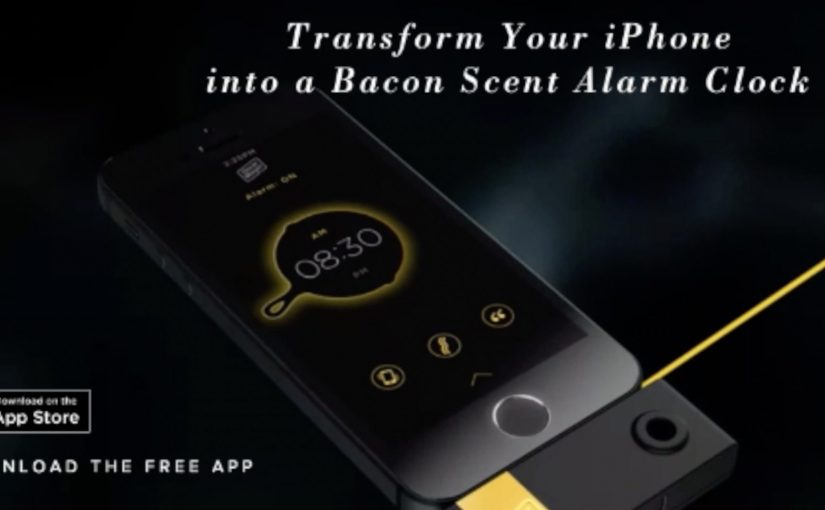
Oscar Mayer: Wake Up and Smell the Bacon

If you would like to wake up to the sound of sizzling bacon on the stove and its aroma drawing you out of bed, then head over to www.wakeupandsmellthebacon.com and answer three questions for a chance to win the special bacon-scented iPhone attachment.

The contest is being run by Oscar Mayer, and they are giving away 4700 bacon-scented iPhone attachments over the next month. Winners can then use a custom Oscar Mayer alarm app to automatically activate the iPhone attachment every morning.

How the stunt is engineered

The mechanism is a neat combination of utility and theatre: a giveaway device plus a dedicated alarm app. Instead of only telling you “bacon smells great”, the brand designs a repeatable moment where smell is the message and the morning routine is the media.

In FMCG marketing, a physical add-on that turns a brand promise into a daily ritual can outperform a one-off ad because it creates repetition without feeling like repetition.

Why it lands

It turns a product truth into a sensory demo. Oscar Mayer does not need to persuade you that bacon is appealing. It just recreates the cue that already does the persuading.

It makes the call-to-action playful. “Enter to win” is normally forgettable. Here it is a gateway to a story-worthy object, so the contest itself becomes shareable.

It upgrades branded content into branded utility. The alarm is not only entertainment. It is a behavior change, because the phone becomes part of a new wake-up routine.

Extractable takeaway. Scent and sound work as marketing when they are attached to an existing habit. If the brand can own a repeatable moment in the day, the campaign shifts from impression to ritual.

Borrowable moves

  • Pair a simple app with a tangible artifact. Physical wins feel rarer than digital, which increases talk value.
  • Design for daily replay. The strongest “stunts” are the ones that can be re-experienced without needing a second ad.
  • Make the entry mechanic frictionless. Fewer questions, faster entry, and the prize does the marketing.

A few fast answers before you act

What is being promoted here?

A contest for a bacon-scented iPhone attachment, supported by an alarm app that triggers the attachment in the morning.

Why does this qualify as more than a gimmick?

Because it converts a brand promise into a repeatable experience. The “demo” happens in the user’s real life, not just on screen.

What is the main behavior change the campaign creates?

It pulls the brand into a daily wake-up habit, which creates repeated exposure without needing repeated media placements.

What makes it shareable?

The object is inherently story-worthy. People can describe it instantly, and the idea is unusual enough to travel as a headline.

What is the key risk?

Link rot and platform change. If the app link, device compatibility, or contest site stops working, the core mechanic collapses.
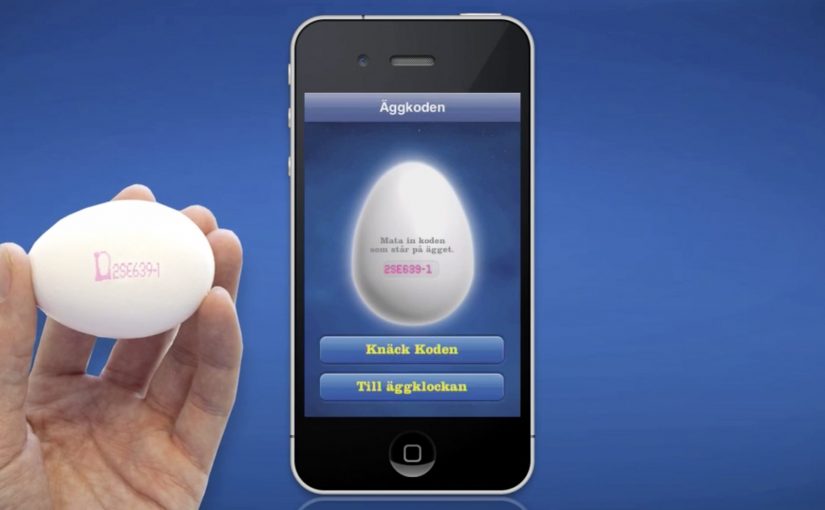
Kalles Kaviar: Egg Timer iPhone App

This egg timer iPhone app was created by CP+B for Swedish sandwich spread Kalles Kaviar.

The idea behind the app is to help users boil the perfect egg. It goes further than a simple countdown. It accounts for variables like egg size and how you like it cooked, and it even builds an iTunes playlist where the end of the music means your egg is ready.

The campaign is described as a hit with caviar and egg lovers. It reportedly passed 53,000 unique iPhone downloads and reached number three in Sweden’s iTunes list of the most downloaded free apps.

A breakfast brand that ships something useful

The clever move here is the product logic. Kalles is frequently eaten with sliced boiled egg, so the brand does not start by shouting about taste. It starts by making the egg outcome easier to get right, which makes the pairing more likely to happen again.

How the app turns boiling into a timed soundtrack

  • Input choices. The user selects preferences like softness, and the app adjusts timing accordingly.
  • Playlist as timer. Instead of watching the clock, you listen. When the playlist ends, the egg is done.
  • Extra detail for the obsessed. The experience is described as accounting for factors like altitude, and in some write-ups it is also credited with letting users enter the code printed on Swedish eggs to trace the farm.

In FMCG breakfast categories, small utility tools can turn a habitual pairing into a repeatable ritual and a sales lever.

Why it lands

It respects the moment. People boil eggs while distracted, usually in the morning, and they want confidence without effort. The playlist mechanic is memorable because it is a sensory shortcut, and it also turns waiting time into entertainment.

Extractable takeaway: If your product is most often consumed in a “pairing,” build utility around the pairing step, not around the product claim. Help the ritual succeed, and the product sells itself inside that ritual.

What it is really trying to grow

This is not primarily an “app idea.” It is a demand-shaping idea. If more people boil eggs more often, Kalles has more occasions to be squeezed onto the table. Some coverage also credits the work with lifting egg sales in Sweden, which is a neat reminder that expanding the adjacent habit can be bigger than fighting for share in the core category.

What to steal

  • Attach utility to the highest-friction step. Fix the thing people get wrong or avoid.
  • Make the mechanic feel inevitable. A playlist that lasts exactly as long as boiling time is easy to explain and easy to trust.
  • Design for the real context. Morning routines reward hands-free, glance-free interaction.
  • Use delight as reinforcement, not distraction. The music is not decoration. It is the timer.

A few fast answers before you act

What is the Kalles Egg Timer app in one line?

A branded iPhone egg timer that uses your inputs to calculate boiling time and plays a music playlist that ends exactly when the egg is ready.

Why use a playlist instead of a normal countdown?

Because it reduces the need to watch the screen. The soundtrack becomes a passive, low-effort signal that fits cooking behaviour.

What brand problem does this solve?

It makes the product pairing easier to repeat. If the egg step becomes more reliable, the Kalles plus egg habit becomes more frequent.

What makes a branded utility app worth downloading?

It must do a real job better than a generic alternative, and it must fit naturally into a routine people already have.

What should you measure if you run a similar utility idea?

Downloads are not enough. Track repeat usage, time-to-task success, how often the utility is used per week, and whether it correlates with increased occasions for the core product.