
Dortmund Concert Milk: Taste the Season

Konzerthaus Dortmund has world-class acoustics and artists, but it still faces the familiar challenge. Most people do not automatically choose classical music. For the 2010/2011 season, Jung von Matt was asked to pull more of the “not naturally interested” public into the hall.

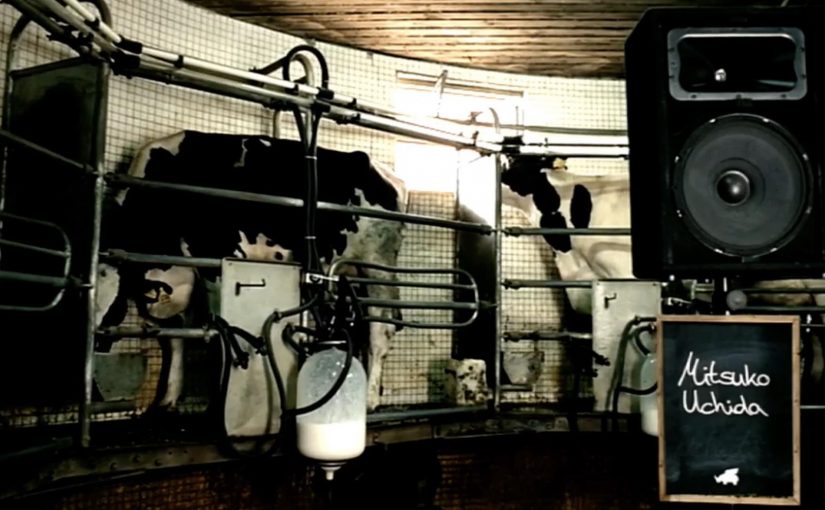
The solution makes the promise literal. Let people experience music with their sense of taste. The campaign leans on the often-cited idea that cows produce more milk when exposed to classical music, so selected works from the new season were played to cows. The milk was then sold in shops as Dortmund Concert Milk, offered in nine varieties, with each bottle carrying information about the season.

How “Konzertmilch” turns a program into a product

The mechanic is a clean chain. Take repertoire from the upcoming season. Route it through a surprising production setting. Package the output as a retail product that people can encounter in everyday shopping, with the concert hall story printed on the bottle. The milk becomes both a sampling metaphor and a distribution channel for the season narrative. That works because the product format carries the concert hall story into low-pressure moments where curiosity is easier than commitment.

In German cultural institutions, campaigns often have to earn attention from people who do not self-identify as classical-music audiences.

Why it lands

It collapses distance. “Great acoustics” is hard to imagine if you are not already a fan, but “taste the music” is instantly legible. The cow premise gives the idea a folklore-like stickiness, and the retail format makes the campaign feel less like advertising and more like something you discover.

Extractable takeaway: When your category benefit is experiential but hard to preview, build a proxy people can physically encounter in daily life. Then let packaging carry the story and the call-to-action.

What the activation is really optimizing for

This is designed to create first contact with non-attenders. The real question is how to make a concert hall feel low-friction before anyone commits to a ticket. This is smart audience-growth work because it uses everyday retail to make the first step feel casual rather than elite. Retail shelves provide scale, repetition, and social permission. Buying a bottle is a low-risk way to engage with a concert hall brand, and the printed season information turns that impulse into a next step.

What to steal for your own audience growth

  • Translate the promise into a sensory shortcut. If people cannot imagine the experience, give them a proxy they can touch, taste, or keep.
  • Ship the story as packaging. A bottle label can do the work of a brochure, but in a context where people actually read it.
  • Use “varieties” to signal curation. Multiple flavors create collectability and invite comparison, which increases repeat exposure.
  • Make the concept easy to retell. If the whole campaign fits into one sentence, it travels further than the media plan.

A few fast answers before you act

What is Dortmund Concert Milk in one sentence?

A retail activation where cows listen to selected works from Konzerthaus Dortmund’s season, and the resulting milk is sold as “Konzertmilch” in multiple varieties with season info on the bottle.

Why does this help a concert hall reach non-attenders?

Because it moves the brand out of the venue and into everyday life, using a low-commitment product encounter to spark curiosity about the season.

What is the key creative move?

Turning an intangible promise, “experience music”, into a concrete proxy people can literally consume, and then using that proxy to carry the program message.

What is the main risk when copying this approach?

If the novelty overwhelms the cultural offer, people remember the gimmick but not the program. The packaging and narrative must keep pointing back to the season.

Does the cow premise need to be scientifically proven for the idea to work?

No. The campaign works at the level of curiosity and retellability, but the bottle story still has to keep leading people back to the concert season rather than leaving them with only the stunt.
BredaPhoto: Infiltrating Holiday Prints

BredaPhoto is a photo festival in the Netherlands. In 2010 it ran between September 16 until October 24. During this period, Breda lives and breathes photography. Photographers from all over the world come to show their vision on a present world that feels upside down.

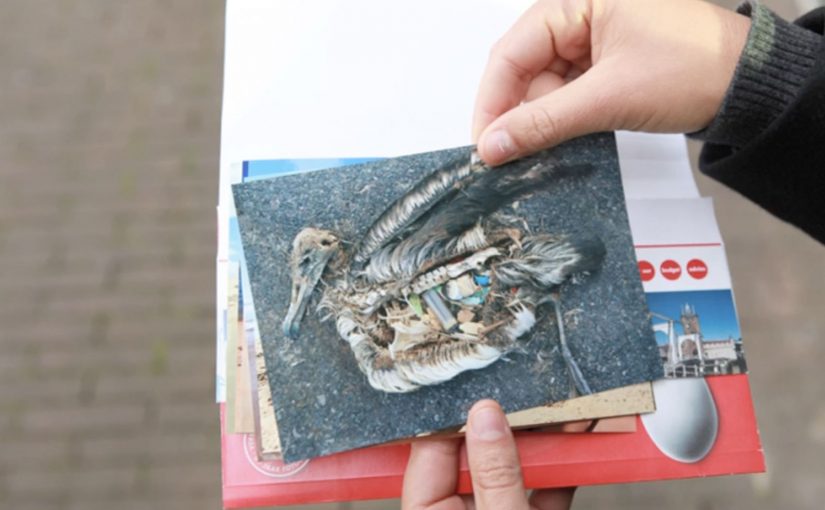
In order to encourage more people from the surrounding areas to visit the festival in 2010, the team used the end of the Dutch holiday season to step directly into the comfort zone of their target group. They tied up with 12 regional photographic shops who, while printing holiday photos, also provided a photo from the BredaPhoto festival.

The contrast between the holiday photos and the festival images was so stark that it is reported to have drawn 55,000 visitors, described as a record for the festival.

Holiday prints as a distribution channel

The insight is almost embarrassingly practical. After holidays, people already walk into photo shops with emotion in hand and a willingness to look at images. BredaPhoto does not try to interrupt that behavior. It inserts itself into it.

The mechanic: a surprise image in the envelope

The “infiltration” is literal. Every time someone picks up their printed holiday photos, they also receive one festival photo. No extra decision. No extra trip. The festival’s work lands in the same stack as the family memories it will be compared against.

In European cultural festivals, partnerships that piggyback on an existing routine like printing holiday photos can outperform broad awareness media because they reach people at a moment of high receptivity.

Why the contrast does the persuasion

Holiday photos are comfort. Festival photography is often confrontation, curiosity, or a sharper point of view. Put them side by side and the festival image does not need a manifesto. The viewer feels the difference instantly, and that feeling creates the urge to see more.

Extractable takeaway: If your product is “new perspective”, deliver one sample at the exact moment people are already consuming the old perspective, then let comparison do the selling.

What this is really optimizing

This is not just reach. It is qualified reach. Anyone printing holiday photos has already self-identified as someone who cares about images, and the distribution happens locally, which reduces the friction between “interesting” and “I could actually go”.

The real question is how to put one credible sample of the festival in front of the right local audience before asking them to commit a visit.

This is a smarter local-growth play than buying broad awareness and hoping interest shows up later.

What event marketers should steal from this

  • Hijack a routine with built-in attention. Choose a behavior where people already expect to look carefully.
  • Make sampling unavoidable but tasteful. Put the sample in the default flow, not behind an opt-in form.
  • Use contrast as your copy. If the product difference is visual, show it next to the audience’s baseline.
  • Localize distribution. When the event is physical, use channels that keep the distance to action short.

A few fast answers before you act

What did BredaPhoto do to attract visitors in 2010?

They partnered with regional photo shops and slipped a festival photo into customers’ holiday print orders, so people encountered the festival work while collecting their own photos.

Why does this work better than a normal poster campaign?

Because it reaches people when they are already engaged with images, and it delivers a concrete sample of the festival’s point of view instead of a promise.

What is the key design principle behind the tactic?

Make the first experience of the product frictionless. One unexpected image in the envelope is enough to trigger curiosity and intent.

Why were photo shops the right channel for this?

Because the audience was already in a visual mindset and already handling printed images, which made the festival sample feel relevant instead of intrusive.

What kind of events should copy this approach?

Events that sell perspective, taste, or discovery. Especially when the audience already has a routine where they consume similar media, like prints, tickets, playlists, or screenings.