
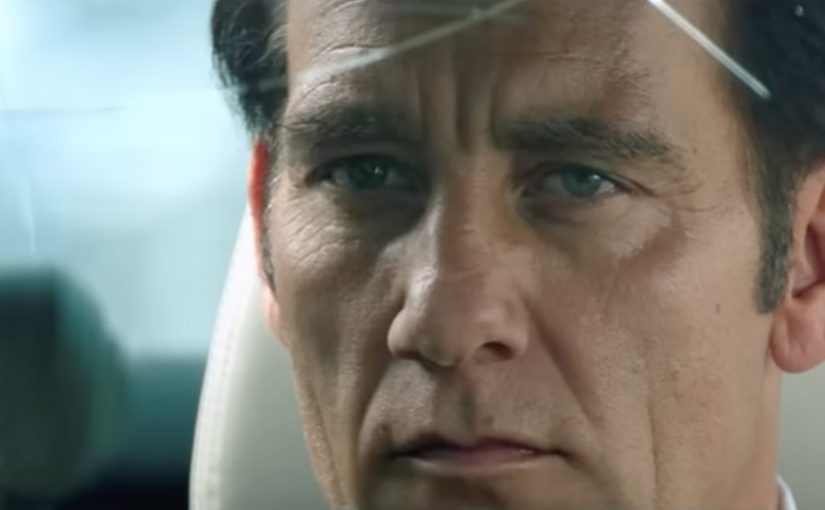
BMW Films: The Escape

BMW Films: The Escape

BMW Films has teamed up with Academy Award nominated director Neill Blomkamp (“District 9,” “Elysium”) to create an action-packed short film to promote the new upcoming 2017 BMW 5 Series.

The story centers around a young girl simply named “Five”, played by Dakota Fanning, who is the subject of seemingly illegal experiments.

With the FBI cracking down on the company responsible for such experiments, Oscar nominated actor Clive Owen plays the nameless transporter who is hired to get Five out of there. The action ensues.

Why BMW Films still works as a launch format

This is not a product demo dressed up as content. It is content where the product belongs naturally. The car is not the “message”. It is the tool that makes the story credible.

Extractable takeaway: Branded entertainment only pays off when the product is structurally necessary to the story, because that necessity makes the brand presence feel earned.

Here, “branded entertainment” means a film that works as entertainment even if you are not shopping, with the brand woven into the premise instead of appended as a pitch. Because the car drives the plot, the attention feels earned and people share it as a short film, not a launch asset.

  • Talent creates attention. Director and cast set a quality bar that feels like entertainment, not advertising.
  • The vehicle role is functional. Driving, control, and decision-making are essential to the plot.
  • Shareability comes from story. People pass it on because it is a short film worth watching, even without shopping intent.

In global high-consideration launches, long-form story formats work when they make the product feel necessary before anyone compares specs.

The brand job: make the new 5 Series feel inevitable

When a film like this lands, it does two things at once. It signals confidence and it frames the new model in an emotional territory that spec sheets cannot reach. Capability, composure, speed, control.

The real question is whether your launch format makes the product feel inevitable, not merely visible.

The benefit is not that viewers remember a feature. The benefit is that they remember a feeling, and they connect that feeling to the 5 Series before they ever step into a showroom.

What to take from this if you are launching something complex

  • Earn attention with craft. If you want people to choose long-form, it needs to deserve their time.
  • Give the product a role, not a cameo. If it does not matter to the plot, it will feel bolted on.
  • Let story carry the distribution. The strongest paid media is the one you do not need because people share it anyway.
  • Build a universe, not a one-off. Formats like BMW Films work best when audiences expect the next chapter.

A few fast answers before you act

What is “BMW Films: The Escape”?

It is a branded short action film created to promote the upcoming 2017 BMW 5 Series, directed by Neill Blomkamp and starring Clive Owen and Dakota Fanning.

Why use a short film instead of a classic launch ad?

Because story earns time and attention. It creates emotional association and premium perception that traditional product messaging often cannot deliver on its own.

What is the product role of the BMW 5 Series in this format?

The car functions as an essential tool in the narrative. It supports the transporter premise and makes the action feel credible, rather than serving as a standalone showcase.

What makes branded entertainment feel “credible”?

High production quality, real creative talent, and a story where the brand presence is natural and necessary, not forced.

What is the practical takeaway for launch teams?

If you want to use long-form content, design it as entertainment first, then embed the product so it belongs, and the attention will travel further.

FriendsWithYou: Cloudy

FriendsWithYou: Cloudy

Miami based animation studio FriendsWithYou has produced “Cloudy”, a short film exploring the concept of clouds singing and performing their duties in a joyful manner while showing the viewer that everything in our world has a role and a purpose.

Sit back and enjoy this sweet visual soundscape that takes you through a personal journey into the sky. Here, “visual soundscape” means a piece where rhythm, tone, and imagery do the narrative work together.

A sky full of characters, not weather

“Cloudy” treats the atmosphere like a workplace musical. Clouds are not background texture. They are the cast, with jobs to do, rhythms to keep, and a mood that turns routine into celebration.

The mechanic: give nature a chorus

The film’s core device is straightforward. Personify the clouds, make the labor visible, and score it like a performance. Once the viewer accepts that premise, every movement becomes readable as intention rather than randomness.

In brand and studio storytelling, anthropomorphism lands when it is used to clarify a system rather than merely decorate a scene.

Why this lands as a “visual soundscape”

The piece is gentle, but it is not passive. It holds attention by pairing simple character purpose with musical momentum, so you feel guided through the sky rather than shown a series of pretty shots.

Extractable takeaway: If you want viewers to remember a message about meaning or purpose, do not explain it first. Stage it as a system of roles, then let the audience feel the order before you name it.

What it is really doing

Beyond the craft, the film is an attitude. It argues that work can look joyful, that duty can look like play, and that even the quiet background parts of a world can be the main event when you frame them that way.

The real question is whether purpose can be made felt before it is explained.

What to steal for your own short-form craft

  • Pick one premise and commit. Once clouds can sing, every scene should deepen that rule, not diversify into new ones.
  • Make “process” the plot. Showing how something gets done is often more watchable than inventing a separate story.
  • Let sound carry structure. A strong musical spine can turn a mood piece into a journey with forward motion.
  • Give the viewer one clean idea to take home. Purpose is easier to feel when every character has a job.

A few fast answers before you act

What is Cloudy?

“Cloudy” is a short animated film by FriendsWithYou that imagines clouds singing and joyfully doing their work, to suggest that everything has a role and a purpose.

What makes it a “visual soundscape”?

The experience is built as much on rhythm and audio mood as on imagery. The sound is not decoration. It is the structure that carries the viewer through the piece.

Why does anthropomorphizing clouds work here?

Because it makes an abstract system legible. Once clouds behave like characters with duties, the viewer can follow cause, effect, and intention without needing exposition.

What can brands learn from this kind of short?

When you want to communicate values like purpose, care, or optimism, show a world where roles are clear and the system feels coherent. That feeling transfers faster than a stated message.

What should creators copy first?

Start with the rule, not the ornament. Give the world one clear premise, then let character, sound, and motion keep proving it.

The Black Hole: Greed Meets Gravity

The Black Hole: Greed Meets Gravity

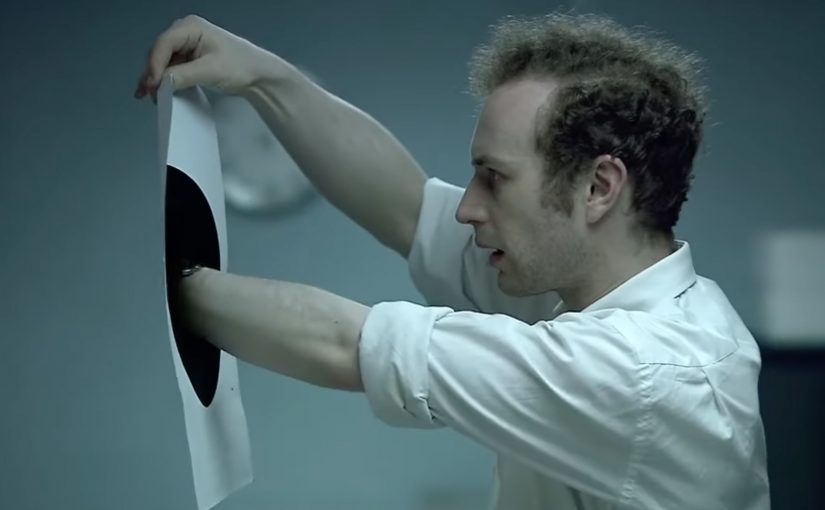
A photocopied black hole in a tired office

A sleep-deprived office worker accidentally discovers a black hole. And then greed gets the better of him.

The temptation ladder that drives the story

The mechanism is minimal and ruthless. An impossible object appears in a painfully ordinary environment, and the plot becomes a sequence of decisions. That escalation is a temptation ladder. Each rung is a slightly bolder choice that still feels justifiable. First curiosity. Then small opportunism. Then the one step too far, when he is unobserved and convinced he can get away with more.

In digital-first marketing teams, shorts like this are often used as reference for how to compress a human truth into under three minutes without losing clarity.

Why it lands: humour, surprise, and a very human loss of control

It works because the character is recognisable. The film does not need backstory. Sleep deprivation, dull repetition, and the sudden possibility of an easy win are enough. The humour comes from how quickly the “reasonable test” becomes a greedy plan. Because the escalation is choice-led, the ending feels inevitable rather than arbitrary. The real question is how fast a “harmless” shortcut turns into a choice you cannot undo. The office worker’s attempt to take the money leaves him imprisoned in the safe, which snaps the whole story shut with a clean, memorable payoff. For short-form work, this is a stronger reference than most brand films because it earns its payoff through decisions, not exposition.

Extractable takeaway: If you want a twist to travel, build it as a ladder of justifiable choices so the audience can feel themselves taking each step.

Craft choices that make the twist hit harder

The look supports the emotional state. Desaturated colour and a flat office environment underline the dull, repetitive job, then the discovery injects energy into both the performance and the pacing. Visual rhythm is handled through fast cutting and movement within the frame, and it intensifies when he enters the room with the safe.

Sound does a lot of work too. It helps sell the supernatural element while keeping everything grounded in familiar office items, which makes the concept feel closer and more unsettling.

Steal the escalation pattern for your own shorts

  • Start with a one-sentence premise. The audience should understand the setup immediately.
  • Escalate through choices, not explanation. Each decision should feel like the next “tempting” step.
  • Let craft mirror psychology. Colour, cutting, and sound can track the character’s shift from boredom to adrenaline.
  • Deliver an inevitable ending. A twist lands best when viewers can replay the steps and realise it was always heading there.

A few fast answers before you act

Who made “The Black Hole”?

The short film “The Black Hole” is directed by Philip Sansom and Olly Williams and features Napoleon Ryan as the office worker.

What is the core mechanism of the film?

The film puts an ordinary office setting next to an impossible “black hole” object, then escalates through a chain of increasingly greedy decisions.

Why does the short work so well?

The short works because the character is instantly recognisable, the premise is one sentence, and each choice feels like a believable next step until the inevitable consequence lands.

What makes this a useful reference for marketers and storytellers?

The film is a useful reference because it compresses a human truth into a tight arc with minimal setup, clear escalation, and a payoff that recontextualises every prior step.

What is the most transferable takeaway?

The most transferable takeaway is to start with one impossible object, escalate via choices rather than exposition, and land a twist that feels inevitable in hindsight.