
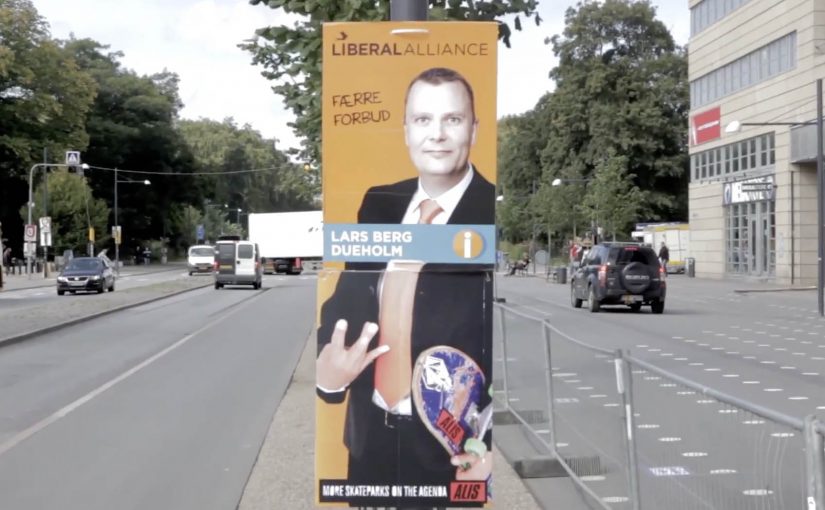
ALIS: Election Poster Skate Attack

Original Danish election posters go up as usual. Then ALIS adds a few new visual elements that flip the meaning, ending with a simple line: “more skateboards on the agenda.”

“Take action in your life and reALISe your dreams” is the intention behind ALIS, established by Albert Hatchwell and Isabelle Hammerich and grown from an underground movement in Christiania into a company that creates opportunities and inspiration.

In a fun and well-thought guerrilla activity in Denmark, ALIS takes existing election posters and extends them with a skateboarding twist. The result sits right on the boundary between civic campaigning and street culture, using the familiarity of political posters to smuggle in a different agenda.

A guerrilla twist on election season

The mechanic is simple. Start with something everyone recognizes, a candidate poster. Add just enough to reframe it. Then leave it in the wild so people discover it, photograph it, and spread it for you.

In Nordic youth-culture marketing, repurposing civic symbols can earn disproportionate attention when the tone stays playful rather than destructive.

Why it works as shareable street media

It is instantly legible. You do not need to know the brand, the candidate, or the backstory. The “before and after” reads in a second, and the idea feels like a wink rather than a lecture.

Definition-tightening: this is an ambient execution. It uses the city’s existing media inventory, posters already placed for public attention, and turns it into a new message layer without buying more space.

What ALIS is really buying

This is identity reinforcement. ALIS signals what it stands for, skateboarding and youth culture, by inserting itself into a mainstream moment and making it feel slightly more “theirs”. The budget stays low because the distribution is social. The street provides the first audience. Cameras and sharing provide the second.

What to steal for your next low-budget stunt

  • Borrow a familiar format. Start with something people already read without thinking.
  • Change one thing that changes the meaning. The smallest edit with the biggest reframe wins.
  • Design for photos. If it does not capture clearly, it will not travel.
  • Keep it non-destructive. Playful add-ons land better than anything that looks like vandalism.

A few fast answers before you act

What is “Election Poster Skate Attack”?

A guerrilla-style ALIS action that adds skateboard-themed elements to existing Danish election posters, ending with the message “more skateboards on the agenda.”

Why use election posters as the canvas?

Because they are already designed to grab attention in public space. A small twist on a familiar political format becomes instantly noticeable.

What makes this feel “earned” rather than “paid”?

The distribution comes from discovery and sharing. People see it, smile, photograph it, and pass it on without needing media spend.

What is the main risk with poster hacks like this?

Being perceived as vandalism. The execution needs to read as a light, non-destructive add-on, not damage.

How can a brand apply the pattern safely?

Borrow a recognizable public format, alter it with a single clear reframe, and ensure the intervention is reversible and legally defensible.
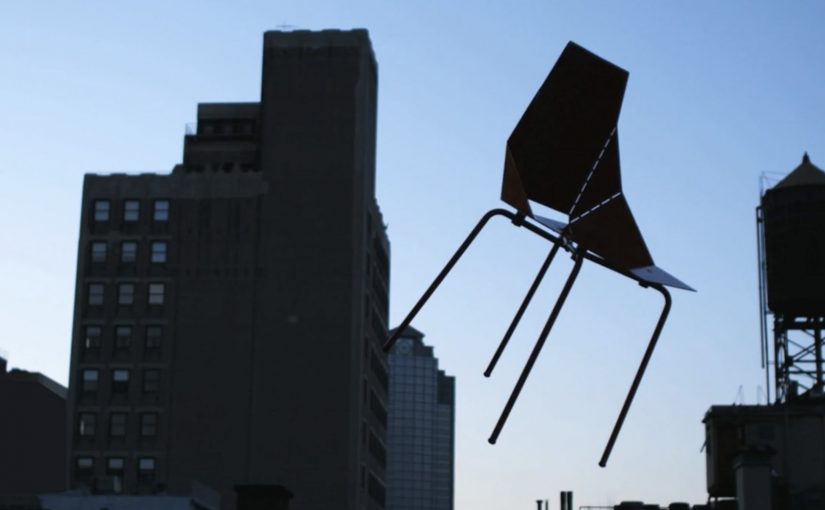
Blu Dot: The Real Good Curb-Mining Experiment

Twenty-five great chairs appear on New York City curbs, free for the taking. Some are quietly GPS-enabled. Then a camera crew follows the trail to see where “free design” actually goes.

“Curb-mining” is the act of finding furniture and art on the streets. Blu Dot decided to conduct its own curb-mining experiment. On November 4, 25 Real Good chairs were dropped around NYC, free for the take. Many were GPS-enabled. Watch the film to see what happened.

How the experiment is staged

The mechanism is deliberately simple. Give away something that normally has clear value, place it in the exact context where curb-miners hunt, then track movement to learn how quickly people claim it, how far it travels, and what stories people attach to it once it is “rescued”.

In urban retail and design-led consumer brands, street-level seeding works best when the giveaway is designed as a story people can retell, not just a free item people can take.

Why GPS changes the meaning of “free”

Without tracking, this is just generosity. With tracking, it becomes a narrative engine. The chair is no longer only an object. It is a moving plot point that creates suspense, location hops, and a human follow-up that turns a giveaway into a documentary.

Definition-tightening: curb-mining is not “dumpster diving”. It is the practice of taking items left out on the curb before they enter the waste stream, which is why the find can feel legitimate and even communal.

What Blu Dot is really buying

This is brand meaning built through behavior. The chairs prove that modern design can live outside showrooms, and the film turns that proof into a piece of shareable content that travels further than a poster ever could.

What to steal for your own product-seeding play

  • Seed with intent. Give away something that is unmistakably “worth taking”.
  • Make the context do the targeting. Place the product where the right behavior already exists.
  • Capture the human aftermath. The owner stories are where meaning and memorability come from.
  • Design for repeatable proof. Track, document, and package the journey so it becomes content.

A few fast answers before you act

What is curb-mining?

Curb-mining is the practice of finding and taking usable furniture or objects left out on the street, typically before they enter the waste stream.

What did Blu Dot do in this experiment?

They placed 25 Real Good chairs around NYC for free, with many chairs GPS-enabled, then documented what happened as people took them.

Why add GPS tracking to a giveaway?

Tracking turns a giveaway into a story. It lets the brand show the journey, not just the drop, and it creates a documentary-style narrative that people will watch and share.

What makes this different from a normal stunt giveaway?

The follow-through. The value is not only in the moment of discovery, but in the documented trail and the human stories that emerge afterward.

What is the main execution risk with street seeding?

If it feels staged in a manipulative way, people reject it. The giveaway has to feel authentic to the street context and respectful of public space.