
A vending machine that behaved like a brand promise
The simplest activations often travel the farthest when the “idea” is visible in one glance. Coca-Cola’s Happiness Machine is a clean example of that kind of instantly understood storytelling.
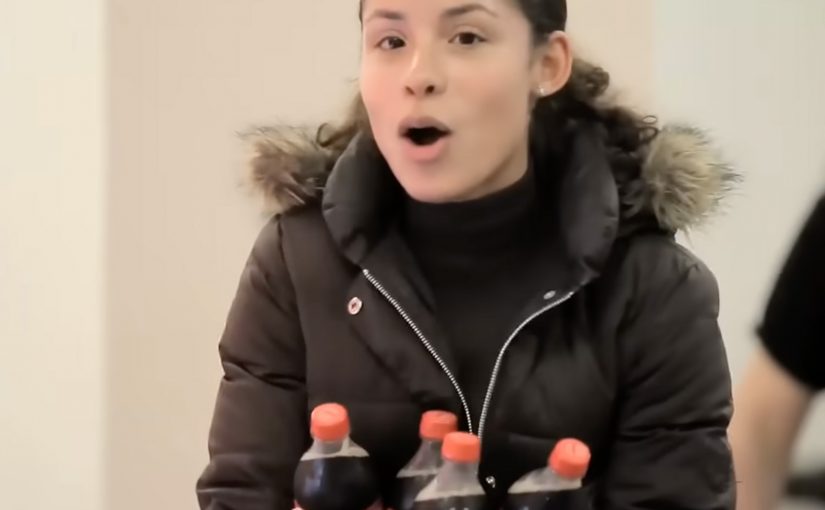
A Coca-Cola vending machine was transformed into a happiness machine that delivered “doses” of happiness by dispensing more than people expected from a normal purchase.
How the Happiness Machine mechanism worked
The mechanism was a familiar object with an unexpected behavior.
A vending machine is supposed to be transactional. Insert money, get a product. By breaking that script and delivering more than expected, the machine turned an everyday moment into a surprise experience that people immediately wanted to share.
The physical interface did the heavy lifting. No explanation was required because the “before versus after” was obvious in real time.
In global FMCG organizations, activations scale faster when a bystander can understand the payoff in three seconds.
Why the surprise felt contagious
Surprise creates attention, but generosity creates warmth. The experience worked because it did not feel like a trick. It felt like a gift. That distinction matters.
Extractable takeaway: Brands should pair a surprise twist with generosity so sharing feels like celebrating people, not exposing them.
People are happy to share content when it makes them look human, not gullible.
And because the moment happened in public, reactions became social proof. Social proof here means other people’s visible reactions validating that the moment is worth paying attention to.
The business intent behind “doses” of happiness
The intent was to make Coca-Cola’s “happiness” positioning tangible in a way advertising rarely can.
The real question is whether your brand promise can be experienced in public without anyone needing a caption.
Instead of describing a feeling, the brand staged it. The vending machine became a repeatable format that produced real reactions. Those reactions became content, and that content extended the experience far beyond the original location.
Stealable moves from the Happiness Machine
- Use a familiar object. If people understand the baseline instantly, the twist lands faster.
- Break a script with generosity. “More than expected” creates goodwill and shareability.
- Design for public reaction. The audience is not only the participant. It is everyone watching.
- Make the brand promise physical. If your positioning is emotional, create a moment people can feel, not just read.
A few fast answers before you act
What is the Happiness Machine, in one sentence?
A normal Coca-Cola vending machine behaves unexpectedly by giving people more than they paid for, creating a gift moment instead of a transaction.
How does the mechanism work?
Use a familiar object. Break the expected script. Deliver an instant, legible payoff. Let public reactions create social proof and distribution.
Why does this kind of surprise travel so well?
Because the story structure is clean. Normal situation. Unexpected twist. Human reaction. That sequence is easy to capture and easy to share.
What business intent does this serve?
It makes the “happiness” positioning tangible. Instead of describing a feeling, the brand stages a moment people can experience and witness.
What can brands steal from this execution?
Keep the setup simple, make the payoff instantly understandable, and design for spectators as much as participants. The crowd is part of the creative.
What should you measure if you copy this pattern?
In-the-moment attention and dwell time, organic capture and shares, sentiment, and recall. Also track whether people retell the action, not just the logo.