
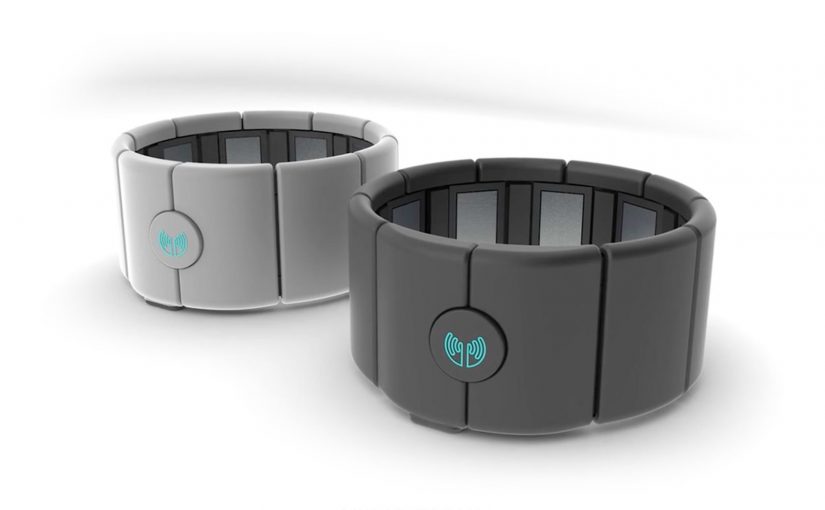
Wearable Tech: From Abandonment to Empowerment

Wearable tech has a retention problem

Wearable technology adoption looks impressive at first glance. But usage tells a more complex story.

Research from Endeavour Partners shows that one in ten American adults owns an activity tracker, and half of them no longer use it. Similarly, one-third of American consumers who own smartwatches and other wearables stop using them within six months.

Those numbers raise an uncomfortable question: The real question is whether a wearable increases capability enough to become essential.

Is wearable tech doomed before it has even gone mainstream in the rest of the world?

The problem is not the technology

The issue is not sensors, screens, or connectivity.

The issue is meaning.

Many wearables launch with novelty and metrics, but fail to integrate into daily life. Counting steps or tracking sleep is interesting. It is rarely essential.

When a device does not change what people can do, it gets abandoned.

When wearables truly matter

The story changes completely when wearables move from tracking to empowering.

By empowering, I mean they expand what a person can do in the moment, not just what a dashboard can show later.

In its latest Mobile Minute series, Mashable looks at how wearable technology enables people in incredible ways.

These are not incremental conveniences. They are life-changing capabilities.

Wearables that increase quality of life

Wearable technology begins to earn its place when it solves real human problems:

  • Haptic clothing helps visually impaired people navigate the world through touch-based signals.
  • Wearable interfaces allow people with limited mobility to control wheelchairs using subtle movements.
  • Body-mounted cameras enable candid photography without drawing attention or interrupting moments.

In these scenarios, wearables are not gadgets. They are extensions of human ability.

Why abandonment and empowerment coexist

Wearables fail when they demand attention without giving value. They succeed when they quietly enable action, independence, and dignity. They stick because the device reduces attention and maintenance load while delivering capability at the moment of need.

Extractable takeaway: If a wearable cannot clearly increase what someone can do, it will be abandoned, no matter how impressive the metrics look.

In global consumer health and workplace wellbeing programs, wearable tech sticks when it removes daily friction and turns passive tracking into timely, actionable support.

Design rules for wearables that stick

Wearable tech is not going away. It is maturing.

The future of wearable tech is not about more data. It is about more capability.

The devices that survive will be those that:

  • Fade into the background. Minimize interruptions and attention demand.
  • Respect the body and the moment. Prioritize comfort, context, and dignity.
  • Increase quality of life in tangible ways. Deliver capability a person can feel in daily life.

This is how wearable technology moves from early adoption to lasting relevance.


A few fast answers before you act

Does high abandonment mean wearables are failing?

No. It usually means the use case is novelty or measurement-only, so the device never becomes essential in daily life.

What drives people to abandon wearables?

Friction and weak value. Charging hassle, comfort issues, unclear accuracy, notification fatigue, and metrics that do not change behavior.

What separates successful wearables from forgotten ones?

They enable action, independence, safety, or confidence in a specific moment. They do not just report data after the fact.

Where is the biggest long-term opportunity for wearables?

Assistive and supportive scenarios such as accessibility, chronic condition support, mobility, and safety. The value is empowerment, not tracking.

How do you evaluate whether a wearable belongs in daily life?

Ask what it lets a person do that they could not do before, and whether it works with near-zero attention and low maintenance.

What is one practical design rule for sticky wearables?

Reduce upkeep and interruptions. The best wearable fades into the background and proves its value at the moment of need.
Foxtel: The Alert Shirt

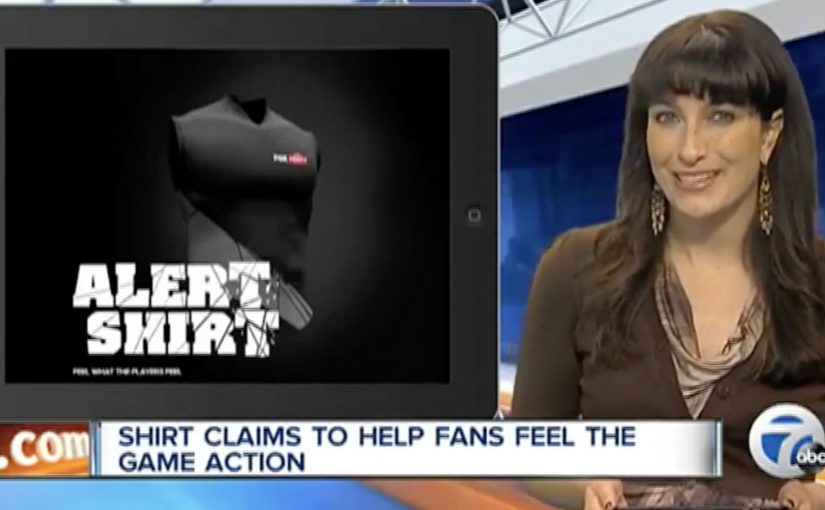
In September 2012, London fashion house CuteCircuit launched a wearable, sharable, programmable tshirt. Then in 2013, Durex Australia unveiled their wearable electronic underwear that allowed touch to be transferred over the internet. Now joining this growing trend of wearable electronic clothing is the Alert Shirt from Australian telecommunications company Foxtel.

Loyal Foxtel customers can use this special shirt to experience in real time some of the physical sensations their favorite players have on the field, including:

  • Pressure: A thumping heartbeat
  • Impact: The shock of a big hit
  • Adrenalin: An intense rush of blood
  • Exhaustion: Lungs burning with effort
  • Despair: A sudden sinking feeling

The data is transmitted via Bluetooth from smartphone app, and the shirt is powered by a lithium polymer cell battery.

From second-screen to second-skin

The mechanism is a clean translation layer. Live game moments are captured as data, the app receives them, and the shirt turns those signals into physical feedback. The experience is not about watching harder. It is about feeling the sport in parallel with the broadcast.

In subscription sports media, the strategic job is retention. The best fan experiences make the service feel like access to something you cannot get anywhere else.

Why it lands

This idea works because it turns fandom into a bodily cue, not just a viewing habit. It also frames “technology” as something you wear once, then forget. When it is working, the interface disappears and the sensation becomes the message.

Extractable takeaway: If you want to deepen engagement, do not add more features to the screen. Translate key moments into a new sensory channel that runs alongside the core experience, and make activation as close to effortless as possible.

What Foxtel is really testing

Beyond the spectacle, this is a trial of emotional stickiness. By emotional stickiness, the point is simple: give fans a stronger felt reason to come back for the live broadcast. The real question is whether that added intensity is strong enough to make Foxtel feel like the only place to experience the match properly. If the shirt can make a live match feel more intense at home, it creates a reason to watch live, to watch longer, and to choose the broadcast that supports the experience.

What sports broadcasters can steal from this

  • Design the sensation vocabulary. Map data to feelings in a way users can understand instantly.
  • Make the phone a bridge, not the destination. Use the app to pair and translate, then let the wearable carry the moment.
  • Keep the promise specific. Heartbeat, hit, exhaustion. Concrete signals beat vague “immersive” claims.
  • Build for live viewing. The value rises when timing is tight and the feedback feels synchronous.

A few fast answers before you act

What is the Foxtel Alert Shirt?

It is a connected shirt that receives live match signals via a Bluetooth smartphone app and converts them into physical sensations so fans can feel key moments in real time.

What problem does it solve for a broadcaster?

It makes the broadcast feel exclusive and more emotionally intense, which can support loyalty and repeat live viewing.

Why use physical sensations instead of more on-screen stats?

Because sensations do not compete with the main viewing experience. They add a parallel layer without asking the fan to look away.

What makes this kind of wearable feel credible?

Clear mappings between events and sensations, low setup friction, and tight timing so feedback feels connected to the moment.

How can another brand apply the pattern?

Choose a live experience with high emotion, capture a small set of meaningful signals, then translate them into a simple, repeatable sensory vocabulary.

Replace your passwords with your heartbeat

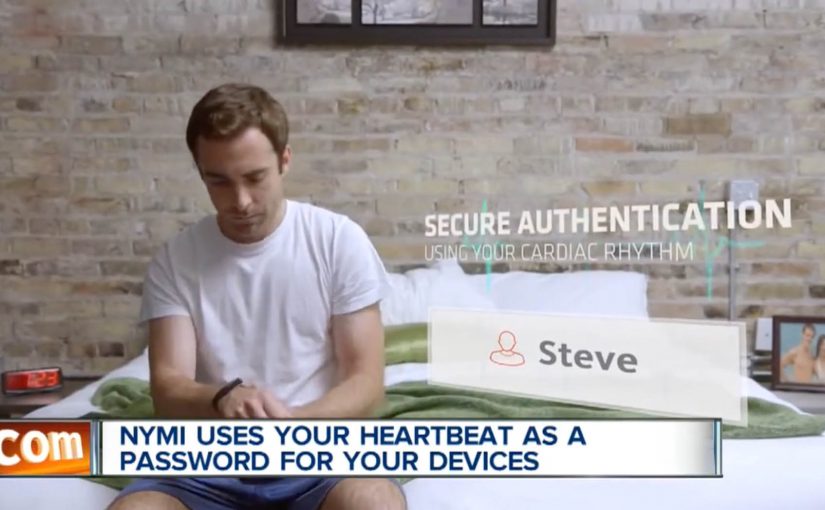
Imagine never having to type a password, and never needing to pull out your credit card to make a payment ever again. A biometrics startup called Bionym is positioning exactly that future with Nymi, a sleek wristband that uses your heartbeat to authenticate your identity.

The promise is simple. If your identity can be verified passively, you can unlock everyday things without friction. Bionym presents Nymi as a way to unlock your favourite devices such as your computer, smartphone, and even your car. If this kind of wearable is adopted at scale, it becomes a first step toward replacing keys and passwords with something you already carry on you.

What is actually being launched

Nymi is positioned as a consumer-ready wristband with a clear job. Authenticate you, then unlock the devices and services you use most. The interesting part is not the form factor. It is the shift from remembering secrets to proving identity continuously.

In this context, “authenticate” means proving your identity without typing a secret. That shift matters because it removes repeated login interruptions from the moments you are trying to get something done.

In global consumer and enterprise environments where people move between devices, services, and locations all day, authentication friction becomes a quiet tax on usage.

Why passive identity is so tempting

Passwords and keys interrupt you at exactly the point you want momentum. A wearable that verifies you in the background reframes identity from an event (login) to a state (you are present), which makes everyday unlocks feel like flow instead of checkpoints.

Extractable takeaway: When identity proof becomes a background signal, you remove “stop and sign in” moments that quietly kill adoption.

The ecosystem requirement that decides whether it matters

A wearable authentication layer only becomes valuable when it works across many endpoints. That means third-party developers and partners need to build a thriving ecosystem of apps and devices that can use Nymi for access and verification.

The real question is whether “heartbeat as login” can become a shared standard across devices and services, because without broad integrations it stays a niche accessory.

Pre-order details

You can pre-order the Nymi for $79, but it is not going into production until later this year. Between now and launch, the real work is adoption. Getting integrations, partners, and use cases that make “heartbeat as login” feel normal.

Moves worth copying for frictionless login

  • Make the promise tangible. Give the product one clear job (unlock) instead of selling biometrics as a vague “future”.
  • Design for passive confirmation. Reduce prompts, but make the authenticated state obvious enough that people trust it.
  • Win integrations before awareness. Treat partners and endpoints as the product, because a single-device unlock story does not change behaviour.

A few fast answers before you act

What is Nymi?

A wristband from biometrics startup Bionym that uses your heartbeat to authenticate your identity and unlock devices.

What kinds of things can it unlock?

Bionym positions it as a way to unlock devices such as computers, smartphones, and cars, reducing the need for passwords and keys.

What has to happen for this to scale?

A strong third-party ecosystem of apps and device integrations, so the wristband works across many real-world use cases.

Is heartbeat authentication inherently safer than passwords?

It can reduce risks tied to memorized secrets, like reuse across services. Security still depends on how the wristband, the endpoints, and the fallback flows are implemented.

What should you look for before betting on a wearable login?

Look for real integrations with the devices and services you actually use, because the ecosystem decides whether this becomes a habit or a gimmick.