
EOS Magazine: Talking Tree

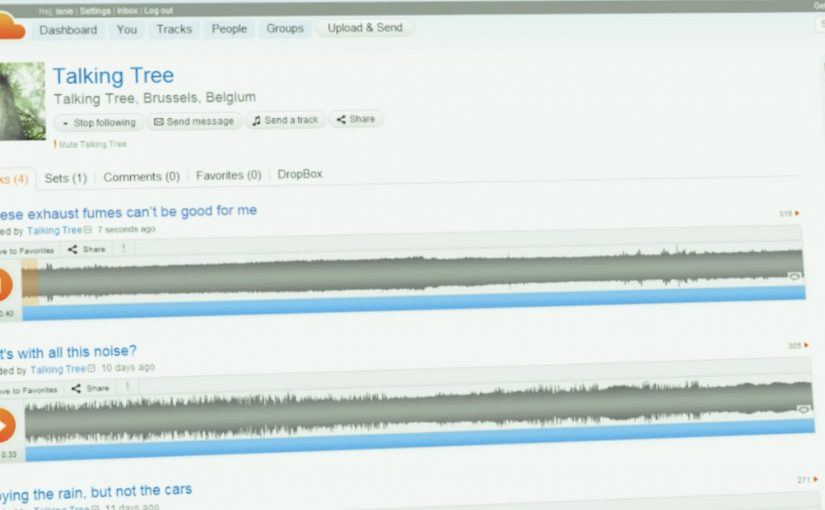
Everybody has an opinion on Nature. But what about Nature’s opinion. EOS Magazine decides to give Nature the means to talk, by turning a single tree into a live publisher of its own conditions.

A 100-year-old tree on the edge of Brussels is hooked up to a fine dust meter, ozone meter, light meter, weather station, webcam, and microphone. This equipment constantly measures the tree’s living circumstances and translates the signals into human language. Then the tree lets the world know how it feels.

From sensors to sentences

The mechanic is a simple chain that stays readable. Capture the environment in real time. Translate measurements into plain-language statements. Publish those statements where people already spend time, so “air quality” and “noise” stop being abstract and start sounding like mood.

In European environmental communication, translating invisible conditions into a relatable voice is a practical way to turn passive concern into everyday awareness.

Why giving Nature a voice changes the reaction

It reframes data as empathy. People do not debate particulate matter in casual conversation, but they do respond to a living thing saying it feels dizzy, stressed, or relieved. The tree becomes a social character, which makes the topic shareable without needing a lecture.

Extractable takeaway: If your message is driven by measurements, do not lead with the measurements. Lead with a human-readable translation that carries emotion, then let the data sit underneath as credibility.

What EOS is really building here

This is not just a one-off film. It is a living channel. The tree becomes a continuous stream of micro-updates that can be followed, quoted, and revisited, which gives the idea longevity beyond a single media burst. The real question is not whether the sensors are impressive, but whether the translated voice is strong enough to make environmental data socially relevant every day.

What to steal for your own sustainability storytelling

  • Pick one “spokes-object”. A single, specific entity makes a broad topic easier to care about.
  • Translate, do not dump. Make the system output statements people can repeat in their own words.
  • Make it continuous. A live feed builds habit and credibility faster than a single campaign headline.
  • Keep the voice consistent. The tone should feel stable, or the project reads like a gimmick.

A few fast answers before you act

What is the core idea of Talking Tree?

A sensor-equipped tree that translates environmental conditions into human language and publishes how Nature “feels” through social media-style updates.

Why does anthropomorphizing data work here?

Because it creates an emotional entry point. People respond to a character and a voice faster than they respond to metrics.

What is the key design decision behind the experience?

The translation layer. The project succeeds or fails on whether the outputs feel meaningful and readable, not on how many sensors are installed.

How do you measure success for a concept like this?

Ongoing engagement and repeat visits, plus evidence that the phrasing spreads into conversations, shares, and press pickup beyond the campaign’s owned channels.

Why does the idea need to stay live, not static?

Because continuity is part of the persuasion. Repeated updates turn the project from a one-time awareness stunt into a channel people can return to and reference over time.
Playboy Magazine: Online Casting via Webcam

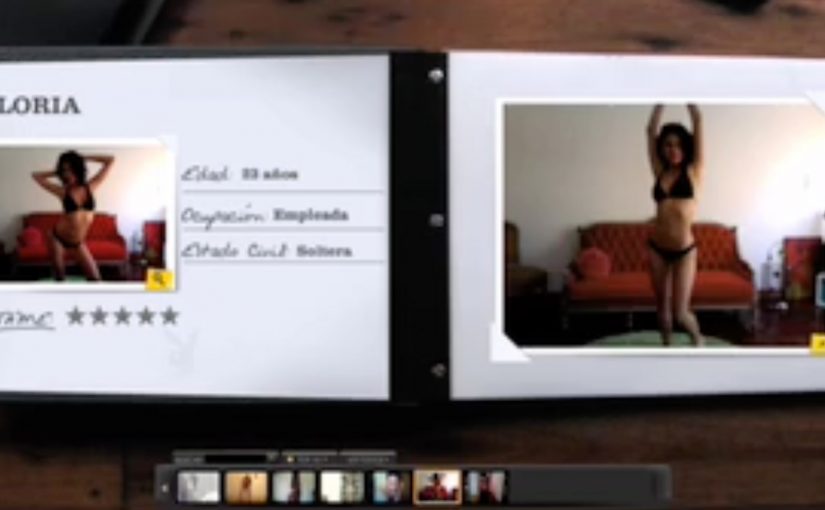
A cover opportunity becomes a browser moment. Instead of going to a studio, aspiring models do a remote “photo session” through their own webcam, then turn the best shots into an online book that friends can vote on.

The pitch is open participation. Any woman with a webcam can make an online photo session and potentially end up on the cover of Playboy Magazine. How does it work. The virtual Playboy photographer takes the pictures of the aspiring models through their own webcam. When they finish they are asked to make an online book with the best pictures. After which they can invite their friends to vote.

The next Playboy Girl is chosen from the favorites on the casting site www.castingplayboy.com.

A photoshoot that travels without travel

The mechanism is a simple funnel. capture content at home, curate a lookbook, then recruit votes. That flips casting from a closed process into something participatory and shareable.

In global media and entertainment marketing, turning selection into a public vote is a reliable way to convert curiosity into distribution.

Why the vote loop is the real engine

The webcam shoot creates the raw material, but the “invite friends” step is what scales it. By “vote loop” I mean the cycle of invite, vote, and reshare that turns each participant into a distribution node.

Extractable takeaway: If you want organic reach, design the post-submission step as a recruiting action that participants feel personally motivated to trigger.

This is not just online casting. It is user-generated content plus social voting, packaged as a competition where the audience becomes the amplification layer.

What Playboy is really buying

This is reach and data wrapped in a story. The real question is whether you want more applicants or more distribution. The brand gets a stream of self-produced submissions, a measurable popularity signal through voting, and a campaign that spreads through personal networks rather than paid media alone.

Steal this casting-to-voting funnel

  • Let people create at the edge. Reduce friction by allowing participation from home.
  • Force curation. A “best of” book is stronger than raw uploads and easier to judge.
  • Build in recruiting. Voting should be the default next step, not an optional extra.
  • Make the prize visible. Publication and status often motivate more than cash.

A few fast answers before you act

What is the core idea behind this Playboy online casting?

A virtual webcam photo session followed by a curated online book and friend-driven voting, turning casting into a shareable competition.

Why does the lookbook step matter?

It forces participants to curate their best shots, which improves quality and makes the submission easier to view and judge.

What makes social voting effective in campaigns like this?

It creates a built-in distribution loop. Participants recruit friends to vote, and those invites function as campaign media.

What is the biggest execution risk?

If the upload, curation, or voting flow feels slow or confusing, people drop out before they share. The funnel has to be fast and obvious.

How do you keep the brand connected to the participant story?

Make the branded environment where submissions live feel premium and consistent, so every share sends people back into the brand’s world.