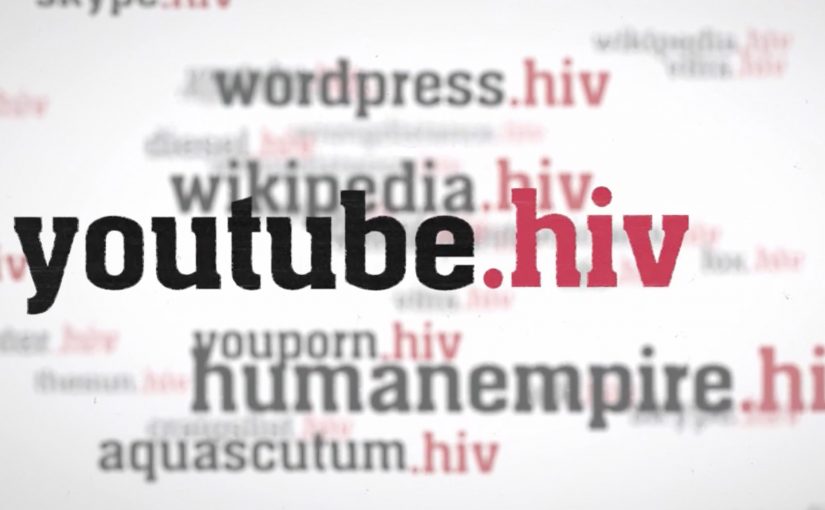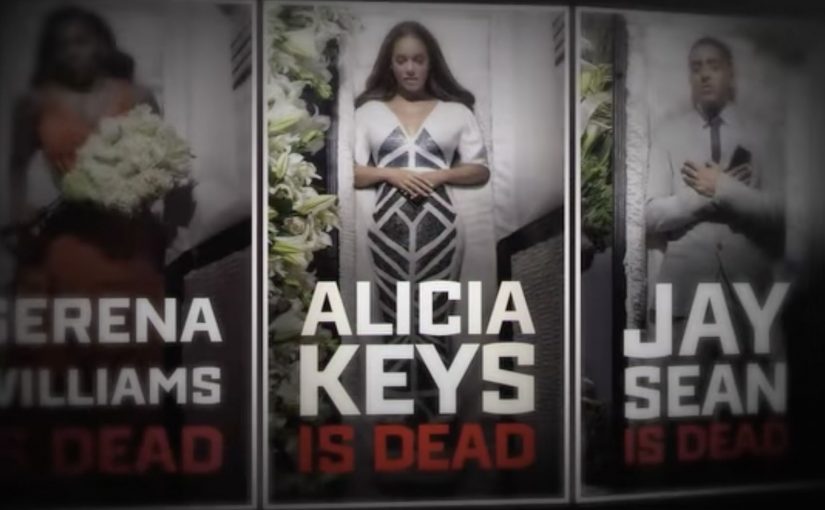
On December 1st, Hollywood died a digital death. Here, “digital death” means celebrities voluntarily going silent on social platforms until donations reach a public fundraising goal. The world’s top celebrity tweeters sacrificed their digital lives to give real life to millions of people affected by HIV/AIDS in Africa and India. Here are their full last tweets and testaments until $1,000,000 is raised to buy their lives back via www.buylife.org.
How “digital death” is made to feel real
The mechanism is brutally simple. Celebrities stop posting. Their accounts point fans toward a donation goal. The audience “buys back” each digital life by contributing toward the $1,000,000 target, with last messages and testament-style videos used as the emotional fuel for the ask.
In celebrity-led social media culture, attention is often treated like currency, and this campaign makes that trade explicit.
Why the stunt spreads
It is built on a clean tension. Fans want access. The cause needs money. Turning silence into a paywall is provocative enough to spark debate, and that debate becomes distribution.
Extractable takeaway: If you need a fundraising idea to travel fast, create a single, legible “lock and unlock” mechanic that people can explain in one sentence, then tie the unlock to a fixed, public goal.
What the campaign is really optimizing
The real question is whether borrowed celebrity attention can be converted into meaningful action for the cause before the stunt burns out.
This is not only about donations. It is about forcing a moment of self-awareness. If people can mobilize instantly for celebrity updates, can they mobilize the same way for lives impacted by HIV/AIDS. The smart part is not the silence itself, but the way it converts attention into a public, measurable ask.
Update: Celebrity Twitter Ban Campaign a Bust, Can’t Raise $1 Million; Stars Freak Out
On December 07, 2010, the New York Post reported that the campaign was struggling to reach the $1 million target at the expected pace, and that a wealthy supporter contributed $500,000 to help move the total forward so participating celebrities could resume posting.
What to steal from this mechanic
- Make the action loop explainable in one sentence. “Donate to unlock them” is instantly repeatable.
- Use a fixed, public target. It makes progress visible and easier for others to join.
- Turn participation into an artifact. “Last tweets” and “testaments” give supporters something to share that carries the ask.
- Design for pacing, not just launch. If the goal is ambitious, plan how the middle period stays energized when novelty fades.
- Keep the cause visually present. The celebrity hook gets attention, but the beneficiary story must stay foregrounded.
- Anticipate backlash and write the guardrails. Scarcity mechanics can feel manipulative. Be explicit about why the constraint exists and where the money goes.
A few fast answers before you act
What was “Digital Death”?
A fundraising stunt where celebrities stopped posting on social platforms, directing fans to donate toward a $1,000,000 goal to “buy back” their digital lives.
Why use “last tweets and testaments”?
It heightens the emotional stakes, and gives fans a final message to react to and share, which helps the donation mechanic travel.
What is the core mechanic that makes it work?
Silence as scarcity. The celebrity’s absence creates demand, and the public donation goal turns that demand into a measurable collective action.
What was the main criticism?
That tying celebrity access to donations can feel manipulative, and that the stunt risks turning a serious cause into a spectacle about famous people.
What is the transferable lesson for cause campaigns?
Build a single, explainable action loop, then make the outcome visible. People give more readily when they can see progress toward a clear target.