Sea Life: Rain Ads That Appear When It Rains

Sea Life: Rain Ads That Appear When It Rains

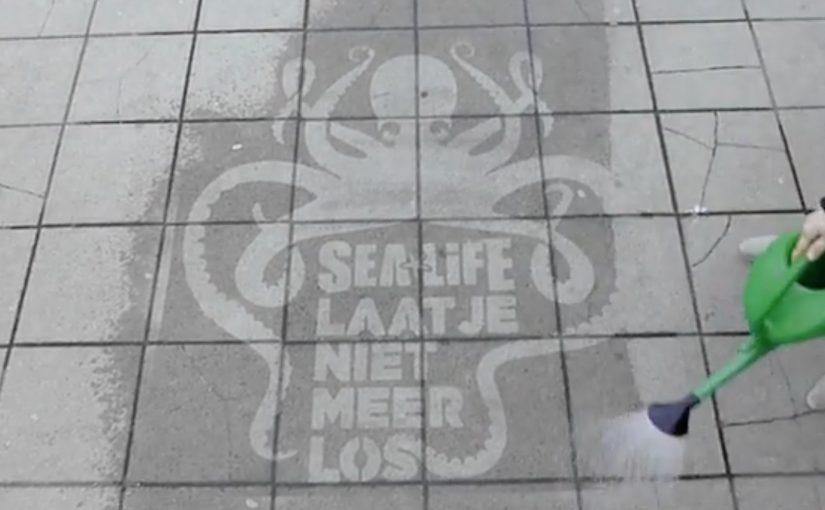
An octopus that only shows up in the rain

Fresh Green Ads is a green media agency from Amsterdam that developed a Rain Campaign, a street-message activation that appears only when pavement is wet, for Sea Life Scheveningen.

Every time it rains the octopus of Sea Life Scheveningen appears on the streets with its tentacles holding the text: “Sea Life laat je niet meer los” (Sea Life never lets you go). When the streets dry up the Rain Campaign disappears. The striking and environmentally friendly message remains visible for up to eight weeks.

The weather trigger is the headline

The campaign is not just placed outdoors. It is activated by the outdoors. Rain becomes the on-switch, which makes the appearance feel like a small surprise rather than an imposed ad.

In outdoor and ambient media, context-triggered visibility works best when the environment itself becomes the activation switch.

Why it fits Sea Life perfectly

Water is not a backdrop here. It is the medium. The octopus “arrives” with rain and disappears when the street dries. That behavior mirrors the theme and makes the line “never lets you go” feel playful instead of pushy.

Extractable takeaway: When your activation trigger is the same element your brand is about, the visibility feels earned and the message can stay playful instead of pushy.

The quiet business logic

The real question is whether your activation can earn repeated attention by showing up only when conditions are right.

Create repeated moments of attention without constant visual clutter. You get spikes of visibility exactly when conditions are right, and then the street returns to normal.

This is the better pattern when you want outdoor attention without turning every day into an ad.

Tactics to borrow from rain-triggered OOH

  • Use context as a trigger. Weather can be a switch, not just a backdrop.
  • Let the idea control visibility. Appear. Disappear. Create surprise.
  • Build sustainability into the execution. Make sure the cleverness is not wasteful.

A few fast answers before you act

What is the Sea Life Scheveningen Rain Campaign?

A street-message activation that appears when it rains, showing a Sea Life octopus and the line “Sea Life laat je niet meer los” (Sea Life never lets you go).

Who developed it?

The post credits Fresh Green Ads, a green media agency from Amsterdam.

What happens when the streets dry?

The rain-activated message disappears as the street dries.

Why does weather-triggered visibility feel less intrusive?

Because rain acts as the on-switch, the message arrives as a surprise rather than a constant presence.

How long can the message remain visible overall?

The post says the environmentally friendly message can remain visible for up to eight weeks.
The Ikea 365 Campaign

The Ikea 365 Campaign

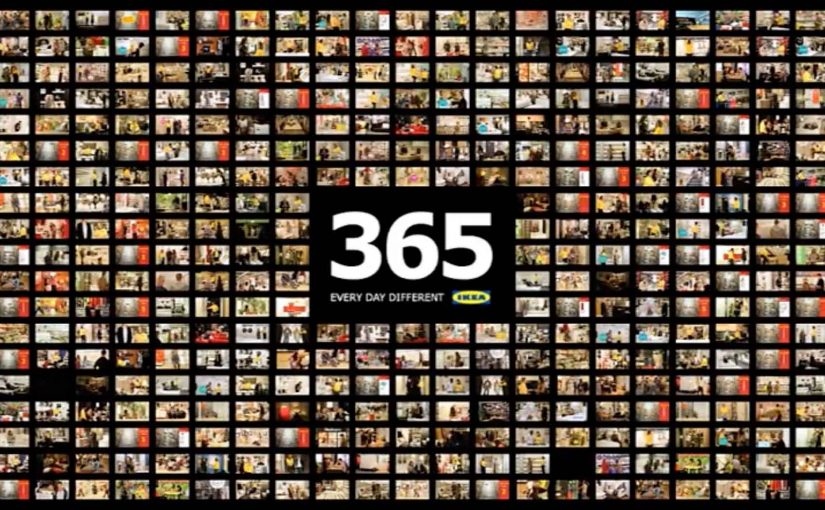
Ikea shows its versatility by doing something most brands never attempt. A different commercial every day. Lemz Amsterdam sends out a new spot daily for 365 days.

The real question is whether you can sustain proof of range at the cadence you are buying.

How they make it possible. Production volume and distribution

To keep pace, the team produces 15 commercials in a day. That buffer keeps them ahead of schedule so they can deliver daily ads that feature online and appear randomly across TV stations. That production buffer is what turns “versatility” from a claim into something viewers see again and again.

In high-frequency retail marketing, the bottleneck is repeatable production and distribution.

Why it lands. Variety you can believe

Most brands claim “we have something for everyone,” then run the same spot for weeks. Ikea flips the burden of proof. The viewer sees a steady stream of different spots, so the promise feels earned.

Extractable takeaway: If “versatility” is your claim, the only credible proof is sustained variety that shows up on a predictable cadence.

For brands that position on breadth, disciplined output beats a single “perfect” hero film.

The case study film

This is the case study film of the campaign, which continues today.

Make it stealable in your own system

  • Design for throughput. Build a production rhythm and buffer that makes daily publishing feasible.
  • Match proof to promise. If the brand claim is range, the content has to show range, not just say it.
  • Let distribution do part of the work. Rotate placements so the variety is encountered, not hidden in a playlist.

A few fast answers before you act

What is the Ikea 365 Campaign?

A campaign where Ikea runs a different commercial every day for 365 days.

Who creates it?

Lemz Amsterdam.

How do they keep up with daily output?

By producing 15 commercials in a day, creating a buffer so daily publishing stays consistent.

Where do the ads run?

Online and randomly across TV stations.

What is the core idea it proves?

Versatility, shown through relentless variety and sustained daily delivery.

Desperados: YouTube Takeover

Desperados: YouTube Takeover

A takeover that pulls social identity into the video

In digital video marketing, the most ambitious takeovers do not just run before content. They try to become the experience people came for. Here, a “takeover” is an interactive branded viewing layer, not just a pre-roll slot. Desperados’ execution is a clean example of that intent.

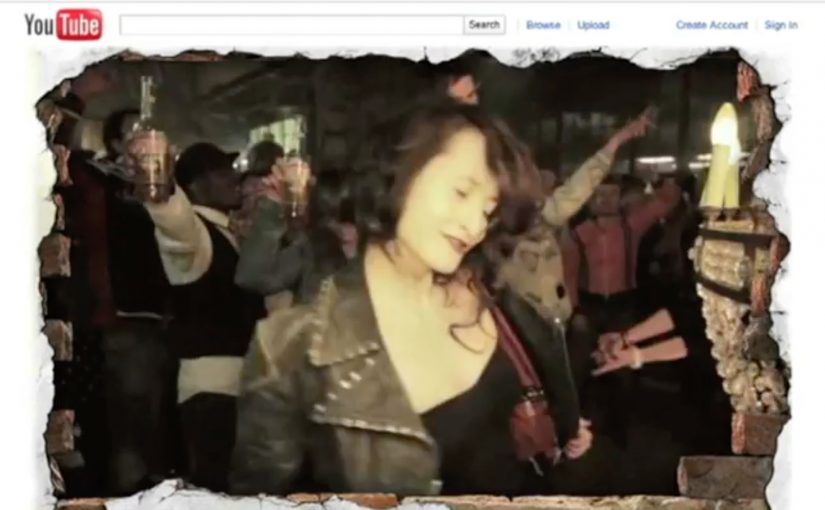
Here is a pretty cool and ambitious YouTube takeover. It is one of the first ones I have seen that also integrates the Facebook Connect functionality as part of the experience.

How Desperados built the takeover experience

The YouTube campaign was created by Dufresne Corrigan Scarlett and MediaMonks for beer brand Desperados.

The takeover let you interact with the story as it unfolded and also let you bring your Facebook friends into the party by pulling in photos on the fly.

In European FMCG video marketing, social identity layers only earn their keep when they turn an ad unit into a shared moment.

Why bringing friends into the story changes attention

Standard video asks for passive watching. This approach creates viewer control and personal stakes because pulling in familiar faces turns a generic narrative into social self-recognition. The real question is whether your experience can borrow the viewer’s social world without making the login step feel like the main event.

Extractable takeaway: If you can make the story reflect the viewer’s real relationships, attention stops being rented and starts being owned, which makes staying and sharing feel functional rather than promotional.

The business intent behind the social layer

The intent is to move beyond reach and toward participation.

By using Facebook Connect and on-the-fly photos, the campaign tried to turn viewers into co-owners of the experience. That increases time spent, lifts recall, and creates a natural reason to invite others, because the party becomes better when your people are in it. Brands should add this kind of social layer only when it materially changes what the viewer sees and does next, otherwise the friction is wasted.

Steal the pattern for social-identity takeovers

  • Make interaction serve the story. Viewer control works when it changes what happens next, not when it is a gimmick.
  • Personalization is strongest when it is social. Pulling in friends can create instant relevance and emotion.
  • Design the invite loop into the experience. If friends improve the outcome, sharing becomes functional, not promotional.
  • Choose the platform feature that matches the idea. When identity is the hook, social login becomes a creative tool.

To experience it yourself visit: www.youtube.com/desperados.


A few fast answers before you act

What was the Desperados YouTube takeover?

An interactive YouTube campaign that integrated Facebook Connect so viewers could bring friends’ photos into the unfolding story.

What was the core mechanism?

Viewer control within the takeover experience, paired with a social login layer that pulled in photos dynamically during playback.

Why does Facebook Connect matter in this context?

It makes the experience personal and social. When the content includes your friends, it feels more relevant and more worth sharing.

What business goal did this support?

Increasing time spent and participation by turning a brand film into an experience that feels co-created and socially expandable.

What is the main takeaway for brands?

If you want people to stay and share, give them control and a way to bring their world into the story.