A fake ad that behaves like a real crash
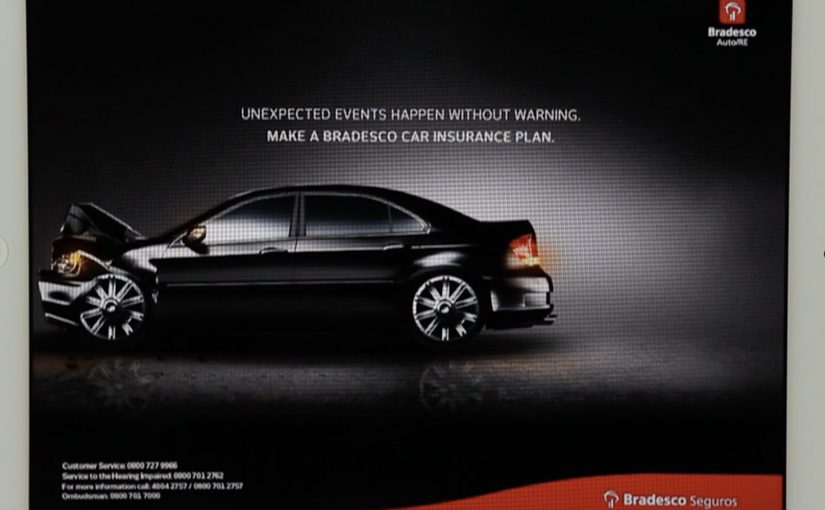
Bradesco Seguros created a cheeky ad in the iPad version of Quatro Rodas, a Brazilian car magazine. When readers swipe the “page,” the car in the ad follows the direction of the gesture and crashes into the side of the screen, unveiling the message: “Unexpected events happen without warning. Make an insurance plan.”
The mechanic: one native gesture, one irreversible consequence
The entire idea is built on the most common tablet behavior: swiping to move on. Instead of letting the user escape the ad, the ad “obeys” the swipe and turns it into the cause of an accident. The crash is the reveal. It is also the proof that the format is touch-native, not a print layout copied onto glass. Here, touch-native means the idea only works because the swipe directly causes the outcome on the screen.
In touch-first publishing, a single gesture-driven interaction can turn an ad into a micro-experience that earns attention the way content does.
Why it lands
It creates a moment of surprise without requiring explanation. The user thinks they are performing a routine action, then the ad responds in a way that feels physical and slightly alarming. Because the message is revealed by the crash itself, the brand does not need to overclaim. The interaction makes the point. The real question is whether the gesture itself makes the risk message feel immediate, inevitable, and brand-relevant. This is a strong use of tablet media because the interaction and the message are inseparable.
Extractable takeaway: If your message is about risk or unpredictability, make the audience cause a small, safe “unexpected event” through a familiar action, then reveal the message as the consequence.
What touch-first ad teams should steal
- Exploit a default gesture. Build on what people already do, not what you wish they would do.
- Make the payoff immediate. The interaction must resolve within a second or two, or it feels like a gimmick.
- Let the mechanic carry the copy. If the interaction proves the point, the line can stay simple and memorable.
- Keep it brand-safe. Use surprise, not fear. The crash is symbolic, not distressing.
A few fast answers before you act
What is Bradesco Seguros’ “Fake Ad” in Quatro Rodas?
It is an interactive iPad magazine ad where a swiping gesture makes the car in the ad move and crash into the screen, revealing the insurance message about unexpected events.
What is the core creative mechanic?
Gesture mirroring. The ad responds to the swipe like content would, then turns that response into a surprising consequence that delivers the message.
Why is this better than a standard banner or full-page ad?
It uses the tablet’s native behavior, so the attention is earned through interaction, not demanded through interruption.
What is the key lesson for touch-first advertising?
Design around one familiar gesture and make the output feel inevitable and meaningful, not decorative.
What is the most common way this approach fails?
When the interaction is slow, unclear, or unrelated to the message. The mechanic must be the argument.