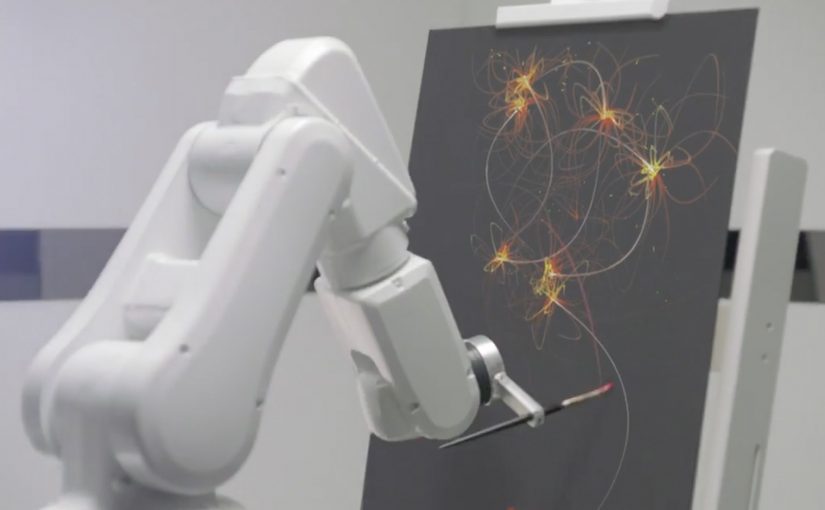
You fall asleep in an ibis room. While you’re out, a robot “wakes up” and turns your night into an abstract painting. By morning, you have sleep captured as a physical artifact, not a vague promise.
How Sleep Art works
The setup is simple in concept and slightly mad in execution. A mattress fitted with sensors captures signals like movement, temperature and sound. Those inputs are translated into brush strokes, and a robot paints them onto a canvas live through the night.
In European hospitality marketing, making an invisible benefit like “better sleep” visible and shareable can create disproportionate talk value for an economy brand.
The real question is whether a hotel brand can turn a private, hard-to-prove benefit into something people notice, remember, and share.
Where it shows up
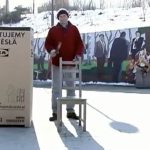
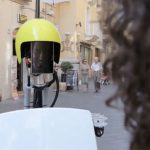
The Sleep Art experience is positioned as available in European capitals including Paris, London and Berlin. Brand materials for the same operation also describe a Warsaw stop as part of the run.
Why this lands
This hits because it turns a universal, private activity into something you can see, keep, and show. It also gives ibis a distinctive proof object for its sleep story. By proof object, I mean a tangible output, like a canvas or shareable visual, that makes the benefit visible without extra explanation.
Extractable takeaway: If your core benefit is hard to perceive in the moment, translate it into a concrete output people can take home, screenshot, or share, so the benefit becomes demonstrable without extra explanation.
What the brand is really doing
Sleep Art is a product promise made legible. It frames “happy sleep” as both experience design (the room, the bed, the ritual) and content creation (the artwork), so the campaign functions as acquisition, PR, and brand repositioning at the same time.
How to make invisible benefits visible
- Make the benefit visible. Convert an intangible promise into an artifact people can show.
- Instrument the experience. Sensors are not the headline. The output is.
- Design the morning-after moment. The reveal is where the story becomes tellable.
- Scale with a lighter digital version. A physical installation creates the myth. A simple app extends reach.
A few fast answers before you act
What is ibis Sleep Art?
It’s a branded experience that converts sleep signals into abstract art, originally via a sensor-equipped bed feeding a robot that paints a canvas during the night.
What data does it use?
Signals such as movement, temperature and sound from sensors in the sleep setup, translated into visual patterns and brush strokes.
Why put a robot in the story at all?
The robot makes the transformation feel physical and “real,” which increases memorability and gives the brand a strong visual for PR and sharing.
How do people participate?
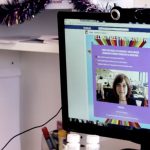
Through a registration mechanic routed via the ibis Facebook presence, positioning it as a limited, win-an-experience style activation.
What makes this a strong hospitality campaign pattern?
It turns a differentiator that’s hard to prove quickly, sleep quality, into a visible output that can travel beyond the hotel stay.