
Teatreneu: Pay Per Laugh

In mid-2013, Spain’s theatre scene is described as taking a hit when taxes on theatrical shows reportedly rose from 8% to 21%, with audiences thinning out as a result. Teatreneu, an independent comedy theatre in Barcelona, responds with a pricing idea that sounds like a joke until you sit down.

Entrance is free. You only pay when you laugh. Every laugh costs €0.30, capped at €24 for 80 laughs. If the show is not funny, you pay nothing. If it is, you pay for what you consumed.

The mechanism: pricing tied to visible emotion

The model is made possible by fitting each theatre seat with a system that detects smiles during the show and increments the charge. The experience is framed as transparent and immediate. Laugh, the counter moves. Stay straight-faced, the bill stays still.

In European live entertainment, pricing experiments that align payment to perceived value can reset attention fast, because they turn a ticket into a story people want to debate.

Why this lands

This works because it reframes the risk. Instead of “pay up front and hope it’s good,” the audience gets an “only pay if it works” promise. Because the charge only rises when people visibly enjoy the show, the pricing mechanic feels fairer before the first joke lands. The smile-detection counter also adds tension and theatre inside the theatre, because everyone knows their reaction has a price. The result is a show that sells itself through the mechanic as much as through the jokes. The real question is whether performance-linked pricing can turn hesitation into trial without making the experience feel punitive. The stronger idea here is not the sensor but the risk reversal.

Extractable takeaway: If your category suffers from perceived value risk, attach payment to an observable outcome, then cap the downside so people feel safe trying it once.

What the numbers are trying to prove

Reported results claim that the average ticket yield increased by around €6 compared to the prior model, and that attendance rose by about 35% as the concept became widely talked about. Whether or not each figure holds precisely, the intent is clear. Make pricing the headline, and use that attention to refill seats.

What to steal from performance-based pricing

  • Make the deal easy to repeat. “Free entry, pay per laugh” is instantly explainable.
  • Instrument the experience. The detection system makes the promise measurable, not rhetorical.
  • Protect the customer with a cap. A maximum price keeps the mechanic playful rather than punitive.
  • Let controversy do distribution. A pricing model people argue about spreads faster than a standard poster campaign.

A few fast answers before you act

What is “Pay Per Laugh”?

It’s a comedy show pricing model where entry is free and spectators are charged €0.30 per laugh, capped at €24, using smile detection to meter reactions.

How is laughter detected?

The theatre fits seats with a system that detects smiles during the show and counts them toward the final charge.

Why set the cap at €24?

It limits downside and keeps the mechanic in the range of a normal ticket, so the idea feels like a playful wager, not an open-ended penalty.

What problem is this solving?

It addresses audience drop-off and price sensitivity by shifting risk away from the customer and turning ticket pricing into a reason to attend.

What’s the biggest risk with this approach?

Trust and fairness perception. If people doubt the accuracy of detection or feel pressured to suppress laughter, the experience can backfire.
Jimmy Kimmel: Halloween Candy Prank 2013

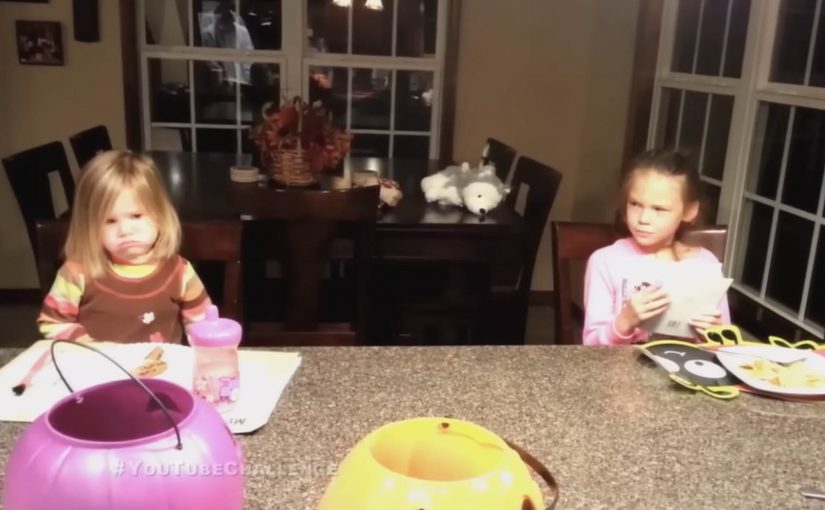
For the third consecutive year, talk show host Jimmy Kimmel challenges the parents of America to prank their kids and pretend that they ate all of their Halloween candy.

As always, parents oblige by the hundreds, and the results of this year’s Halloween Candy YouTube Challenge are compiled into a best-of reel.

A prank designed for mass participation

The mechanism is almost nothing. One line delivered at the worst possible moment, with a camera rolling. The show prompts the setup, parents run it at home, and YouTube becomes the route for collecting clips at scale.

That works because the prompt is so simple that families can recreate it instantly, while the show keeps editorial control by curating the best reactions into one polished reel.

In US pop-culture marketing, repeatable audience-participation formats win because they are easy to copy and still feel personal every time.

The real question is how a one-line prank becomes a yearly entertainment asset people keep recreating for free.

Why this lands

This is a smart participation format, not just a late-night gag. The emotions are instant and unedited. You get a mix of outrage, heartbreak, negotiation, and unexpected maturity, and that variety keeps the compilation watchable. It also feels like a yearly ritual, which helps the segment spread even among people who do not watch the show regularly.

Extractable takeaway: If you want repeatable virality, give people a one-sentence script, a clear capture instruction, and a predictable calendar moment, then let the audience supply infinite variation.

The previous challenge videos can be seen here: 2011 and 2012.

What repeatable participation marketers should steal

  • Make the prompt copyable. One sentence beats a complex brief.
  • Design for home production. If the content requires no special tools, submissions multiply.
  • Compile the chaos. A best-of edit turns scattered clips into a single shareable asset.
  • Repeat annually. Familiar format plus new reactions gives people a reason to come back each year.

A few fast answers before you act

What is the “I ate your Halloween candy” challenge?

Parents tell their kids they ate all the Halloween candy, film the reaction, and submit the clip for a compilation segment.

Why does this format keep working year after year?

The setup stays identical, but the reactions are endlessly different, which creates fresh entertainment without changing the mechanic.

What makes the compilation more shareable than single clips?

A best-of edit increases pace and variety, so viewers stay longer and are more likely to pass it on as a single link.

What is the core growth driver?

Low friction participation. One simple script, one simple recording, and a familiar upload behavior.

What should brands learn from this without copying the cruelty?

Use a repeatable prompt that invites audience variation, and build a clear “submit, then compile” distribution loop around it.

Jimmy Kimmel: Talking ATM

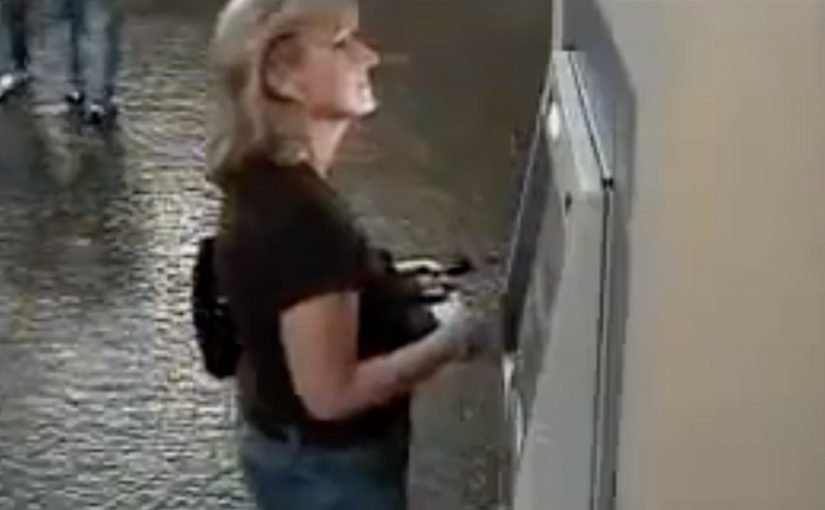
Here is some Monday morning humor with talk show host Jimmy Kimmel pranking innocent people with a “Talking ATM”.

What the bit is, in one clean idea

The premise is as simple as it sounds. You walk up to an ATM expecting silence and routine. Instead, the machine “talks back”, and the normal transaction turns into a public surprise.

Here, the bit is the repeatable comic setup, an ordinary ATM behaving like a person in public.

The mechanism is minimal. Put the prank inside a familiar object, then let the setting do the rest. Because everyone understands what an ATM is for, the moment the ATM behaves differently, the audience immediately gets the joke.

In everyday urban life where people run on autopilot, the cleanest pranks work by interrupting a routine object, not by adding complicated setup.

Why it works on camera

This lands because it is universal and fast. There is no niche reference to decode, and the reactions happen in seconds. The “victim” goes from focused to confused to laughing, and viewers get the same emotional arc without needing context.

Extractable takeaway: For shareable humor, build around a routine people recognize instantly, then flip one expectation. The clearer the routine, the bigger the reaction.

What brands can learn from this style of content

The real question is how you borrow the clarity of a universal routine without copying the prank.

The lesson is not “prank people”. It is “use familiarity as your amplifier”. When the object is universally understood, you can spend your creative budget on the twist, not on explaining the world you built.

Have a great week. For more videos of Jimmy Kimmel click here.

Steal this pattern, not the ATM

  • Start with a known ritual. Withdraw cash. Buy coffee. Scan a ticket. Simple beats clever.
  • Change one rule only. The moment should be legible on mute.
  • Design for reaction clarity. Confusion first, then release. That is the loop people share.
  • Keep it short. The best bits do not overstay the premise.

A few fast answers before you act

What is “Talking ATM”?

A Jimmy Kimmel prank segment where an ATM appears to speak to people during a withdrawal, turning a routine moment into a surprise reaction.

Why is an ATM such a good prank object?

Because it is a universal routine object. People expect it to be silent and transactional, so any break in that expectation is instantly noticeable.

What is the core mechanism that makes it shareable?

A familiar setup plus a single clear twist, delivered quickly enough that viewers can understand the premise and enjoy the reaction without explanation.

What is the safest marketing takeaway?

Use familiar rituals to reduce explanation, then concentrate creativity in one unmistakable moment that people can describe in a sentence.

What should a brand copy from this format?

Copy the structural discipline, not the stunt: start with a routine people already understand, change one clear rule, and make the reaction easy to grasp in seconds.