

Vodafone: Power to You

A telco ad built around a painfully human moment

This spot does not try to impress you with technology. It starts with a situation that feels familiar, that split-second where you finally get what you want and then do not quite know what to do with it.

The mechanic: make the service invisible, make the feeling unforgettable

The mechanism is classic restraint. The product sits in the background as the enabler, while the story puts all the weight on a single emotional beat and a clean punchline.

That works because people remember the awkward human payoff more easily than they remember another service claim.

In global telco advertising, the fastest way to make connectivity feel valuable is to tie it to a moment people recognize from real life.

Why this lands

Because it refuses to oversell. The humor comes from recognition, not exaggeration, and the brand benefit lands as a by-product of the scene rather than a claim you are asked to believe.

Extractable takeaway: When you sell an invisible utility, stop explaining the utility. Show the human outcome in one tight scene, and let the audience supply the meaning.

What Vodafone is really doing here

The real question is how a utility brand makes an invisible service feel personally valuable without falling into feature talk.

It is not a feature demo. It is permission. The brand frames itself as the thing that gives you the ability to act, even if you still have to handle the awkwardness of being human once the connection is made.

That is the right strategic choice for a telco brand.

What to borrow from Vodafone’s restraint

  • Pick one emotion and commit. A single relatable moment beats a list of capabilities.
  • Keep the product in the background. Let the story deliver the proof indirectly.
  • Write for instant recognition. If people can say “that is me”, you have the ad.
  • End on a clean beat. One punchline. One memory.

A few fast answers before you act

What is this “Power to You” spot trying to achieve?

It makes Vodafone’s promise feel human by anchoring the brand to a recognizable emotional moment rather than to technical claims.

Why does the low-feature approach work for a telecom brand?

Because the service is largely invisible when it works. The best proof is often the outcome it enables, not the infrastructure behind it.

What is the core creative pattern here?

Understatement plus recognition. Build the story around a real-life feeling, then let the brand show up as the quiet enabler.

Why use humor instead of product proof?

Because recognition lowers resistance. When people see themselves in the scene, the brand benefit feels inferred rather than imposed.

What is the transferable principle?

If your product is a utility, sell the human moment it unlocks. The clearer the moment, the less you need to explain.
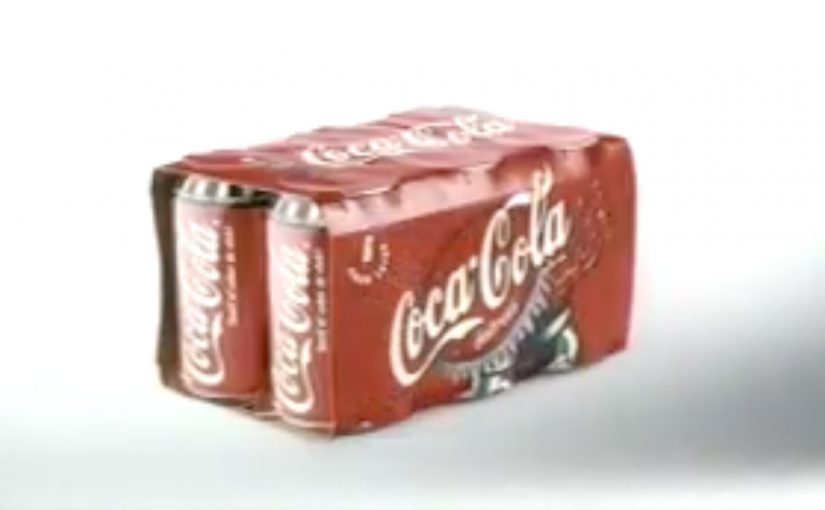
Coca-Cola: For Everyone

You watch the spot once, get the idea instantly, and understand why people keep calling it one of the best ads ever.

How the spot works

The spot works by taking a broad brand promise and expressing it through one clear, repeatable thought. That mechanism matters because simple emotional framing is easier to remember, easier to share, and easier to carry across markets without losing the brand.

In global consumer brands, this kind of work matters because the strongest campaigns have to stay legible across markets, cultures, and media without losing emotional clarity.

Why this kind of spot becomes “classic”

Here, “classic” does not mean old. It means the idea stays intelligible and emotionally relevant long after the first viewing. It earns that reaction by doing something deceptively hard. It keeps the idea simple, and it leaves space for the viewer to feel included without being instructed how to feel.

Extractable takeaway: When a brand commits to one inclusive idea and removes what dilutes it, the work travels further because more people can recognize themselves inside the message.

The real question is whether your brand can say something universal without turning it into something vague.

The strongest brand work is usually not the most complicated. It is the work that protects one sharp idea and trusts the viewer to finish it.

What the brand is really buying

The business value in this kind of work is not just admiration. It is broad recognizability, better recall, and a message that can travel across channels without needing a different explanation every time.

What this teaches brand builders

  • Make one promise. Clarity beats cleverness when you want memorability.
  • Design for everyone without flattening meaning. Universality works when it feels specific in emotion, not specific in audience segmentation.
  • Let the viewer do the last mile. The best work often invites completion in the viewer’s head.

A few fast answers before you act

What is “Coca-Cola: For Everyone”?

It is a Coca-Cola brand spot built around a broadly inclusive brand idea, and it is remembered for its simple, confident storytelling.

Why do people call ads like this “the best ever”?

People use that label when a spot feels timeless. The idea is easy to repeat, the emotion is easy to share, and the execution does not depend on short-lived trends.

What is the transferable lesson for marketers?

Build around one clear thought, then execute it with enough restraint for the viewer to recognize themselves inside the message.

How do you apply this without copying the creative?

Start with a universal human truth that fits your brand, then express it through one line of meaning and one strong creative device.

When does this kind of approach fail?

It fails when “for everyone” becomes a shortcut for saying nothing. Universal framing only works when the idea is still emotionally precise and clearly branded.