
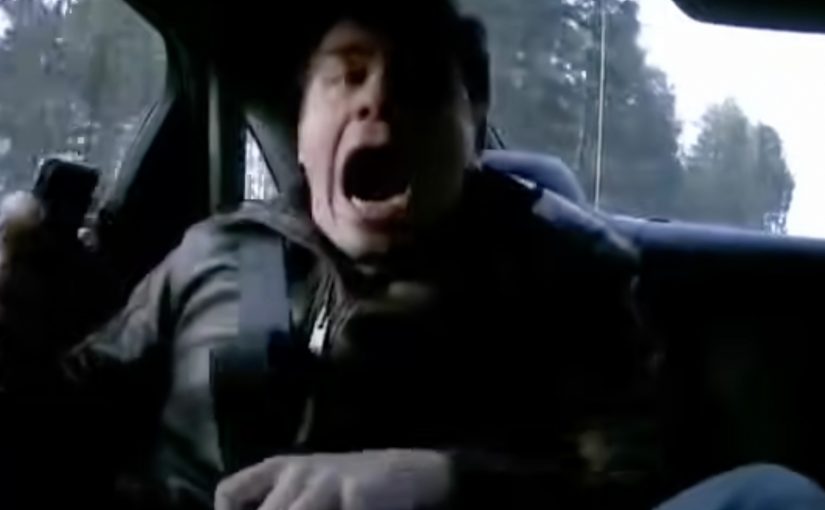
Last year in March, Pepsi Max along with professional stock car racing driver Jeff Gordon performed a prank on an unsuspecting car salesman by taking him on a test drive of his life…
The video since then got over 41 Million views on YouTube. Despite its viral success, automotive journalist Travis Okulski was not impressed and was pretty vocal in pointing out inconsistencies in the viral ad and calling it a fake.
So Jeff Gordon teamed up again with Pepsi Max to pull a similar prank on unsuspecting Travis Okulski, just to prove the authenticity of the original test drive video…
But even after all of that Travis Okulski is still not convinced and the video since its release last week has already gotten over 13 Million views on YouTube.
Why this became a two-part story
The first video worked because the premise is simple, the escalation feels real, and the payoff is pure reaction. But the moment it went viral, it also invited scrutiny. That is what makes the follow-up so interesting. The brand turned criticism into content by making the skeptic part of the narrative.
- Viral hook. A familiar setting, then a sudden reveal of unexpected capability.
- Credibility challenge. A public critique that reframed the conversation as “real or staged”.
- Response as sequel. A second execution aimed at the critic to re-earn belief.
What to learn from the backlash
When stunts travel, authenticity becomes part of the product. If the audience starts debating “is it real”, the brand can either go silent or lean in. Pepsi Max leaned in and used the debate as fuel, which extended the lifecycle and kept attention anchored to the same brand platform.
A few fast answers before you act
What is Pepsi Max “Test Drive” with Jeff Gordon?
It is a prank-style stunt video where Jeff Gordon takes an unsuspecting car salesman on an extreme test drive, created as part of Pepsi Max’s viral entertainment approach.
Why was there controversy around the first video?
An automotive journalist publicly pointed out inconsistencies and argued it was staged, which sparked debate about authenticity.
Why did Pepsi Max do a second video?
To address the credibility debate directly by repeating a similar stunt and making the outspoken critic part of the execution.
What is the transferable pattern for viral campaigns?
Expect scrutiny, especially when the content looks “too good”. If doubt becomes the story, design a credible sequel that engages the criticism rather than ignoring it.