
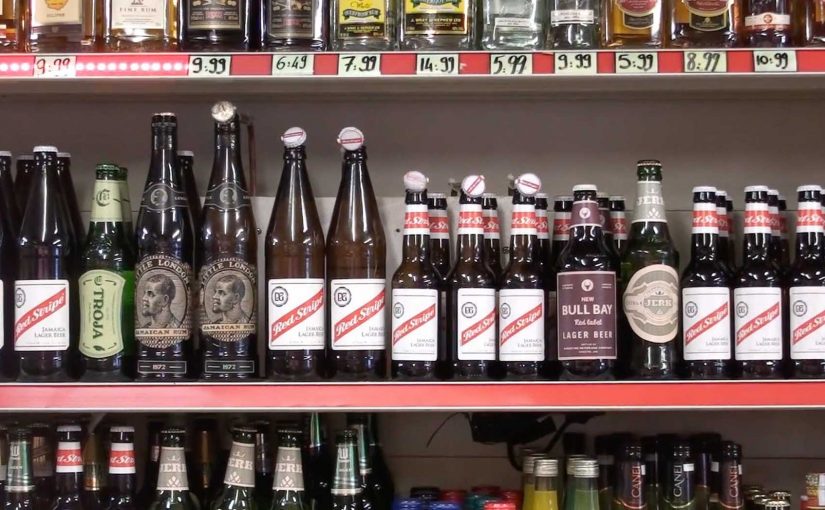
Red Stripe, a Jamaican lager brand, transforms an ordinary-looking East London corner shop into a singing, dancing musical extravaganza. Products across the shop turn into instruments that burst into a melody when a customer selects a Red Stripe. Noodle pots become maracas. Bottles turn into trumpets. Cans become xylophones.
To capture the surprise, 10 hidden cameras record customer reactions as the shop “comes alive.”
The real question is how you turn a routine purchase into a moment people want to retell and share.
This kind of retail theatre works best when the shopper triggers the show through a product choice, and the documentation is designed to scale the moment beyond the store.
The shop becomes the media
This is not a poster on a wall. It is the environment itself performing. The moment of selection triggers the show. The shelf becomes the stage.
That shift matters because it makes the brand moment inseparable from the act of buying. It is shopper marketing that feels like entertainment, not persuasion. Here, shopper marketing means designing the buying environment so the act of choosing the product creates the brand experience.
The trigger is the product choice
The smartest part is the mechanic. Nothing happens until the customer chooses the product. That makes the experience feel personalised, even though it is engineered. Because the trigger is the shopper’s own choice, the surprise reads as a reward, not a push.
It also makes the story instantly explainable. “When you pick up a Red Stripe, the shop turns into a band.”
If you can explain the trigger in one sentence and show real reactions, the activation comes with built-in distribution.
In retail and FMCG environments, the point-of-sale moment is where intent becomes action, and where a brand can earn attention without interrupting it.
Why hidden cameras make the idea travel
The in-store performance is powerful, but it is local. The video is what scales it. Real reactions signal authenticity, and the format becomes shareable proof that the stunt actually happens.
Extractable takeaway: If you want the idea to travel, design the filmed proof as part of the concept. Authentic reactions do the credibility work that polished edits cannot.
Steal the point-of-sale trigger
- Trigger at the shelf. Make the point-of-sale moment the trigger, not the end of the journey.
- Instrument the environment. Convert ordinary objects into a surprising behaviour, so the setting becomes memorable.
- Film for scale. Capture genuine reactions, then let the video do the distribution work.
A few fast answers before you act
What happens in the Red Stripe Musical Extravaganza?
An East London corner shop turns into a musical performance. Shop items become instruments that play when a customer selects a Red Stripe.
What turns into instruments?
Noodle pots become maracas. Bottles become trumpets. Cans become xylophones.
How is it captured?
Ten hidden cameras record customer reactions.
What is the core mechanic that makes it work?
The product selection triggers the performance, so the “brand moment” happens at the exact point of purchase.