
KitKat: The Slooowest Vending Machine

I have covered dozens of unique vending machines over the years. The last one was as far back as 2018, when Ford used a car vending machine in Guangzhou, China. Now fast forward to 2026 and KitKat has successfully reimagined waiting time at a regular vending machine into the brand experience itself.

When a break brand faces a speed problem

KitKat’s reported premise is simple. In a culture of compressed attention, even the break is getting shortened. So the brand in Hyderabad, India took one of the most convenience-coded retail objects possible, a vending machine, and used it to restage “Have a Break” as something you feel, not just something you read. The activation was developed by VML India and VML Netherlands and brought to life with Delhi-based production house The Other Half.

That setup matters because vending machines normally stand for speed, utility, and instant gratification. KitKat flipped that expectation on purpose. Instead of using the machine to remove waiting, it used the machine to make waiting visible, memorable, and unmistakably on-brand.

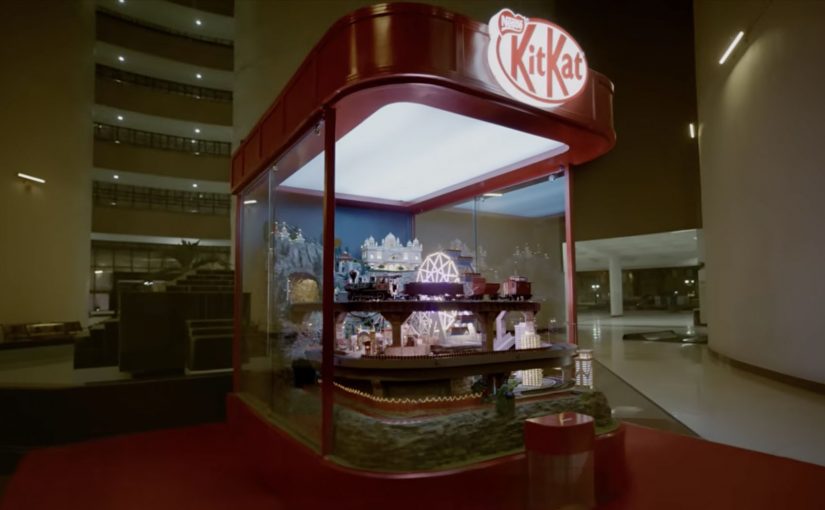
How KitKat turned waiting into the product demo

Instead of dropping a bar in seconds, the transparent machine sends it through a miniature sequence inspired by everyday Indian life, including a toy train, a Ferris wheel, a truck ride, a river journey, and a festive procession. Reported timings make the contrast do real work. A normal vending machine interaction is framed at about three seconds. This one stretches the moment to around three minutes.

That matters more because the machine sat inside one of Hyderabad’s busiest commercial hubs, where speed is the default behavior and pausing is the unusual act.

The mechanism works because the extra time is not dead time. It is branded time, which turns delay into attention and makes the promise of a break tangible before the product is even consumed.

The smart part is that the machine does not merely slow the transaction. It choreographs the delay. That is why the pause feels closer to a scenic reward than a service failure.

Why the stunt lands harder than a normal activation

This is the rare activation where added friction strengthens the brand instead of weakening it.

KitKat wins here by using deliberate friction. Deliberate friction is an intentional pause or extra step added to an experience so the brand can increase attention, memory, or meaning instead of just reducing effort.

Most friction in customer experience is accidental and expensive. It comes from broken UX, poor orchestration, slow service, or unclear process. KitKat does the reverse. The pause is visibly intentional, visibly crafted, and tightly linked to a long-established brand promise, which is why reported reactions centered on watching, smiling, lingering, and sharing instead of irritation.

There is also a crowd mechanic at work here. The machine is slow enough to create curiosity, visual enough to hold attention, and simple enough for bystanders to understand within seconds. That combination turns one person’s purchase into a shared piece of theatre.

Where the business value actually sits

The enterprise lesson is not that brands should slow down checkout, navigation, or service recovery. The real question is where speed is hygiene and where tempo is part of the value exchange.

For consumer experience platforms and MarTech teams, that translates into a cleaner operating rule. Keep utility moments brutally fast, such as search, payment, account access, and complaint handling. But in moments tied to ritual, reveal, education, reward, sampling, or branded storytelling, controlled pacing can sometimes do more commercial work than raw speed because it increases attention, recall, and distinctiveness.

The business intent here is not transaction efficiency. It is brand encoding. KitKat is defending a recognizable promise in a category where faster is easy to copy, but a meaningful pause is harder to own.

That is the part many teams miss. Brand platforms do not become durable because they are repeated in copy. They become durable when the operating design of the experience makes the promise physically true.

How deliberate friction can strengthen a break brand

Deliberate friction only works when three conditions hold. The pause must express the brand idea, the consumer must understand why it exists, and the wait must be short enough and crafted well enough to feel rewarding rather than defective. Break any one of those rules and the same device becomes irritation, not experience design.

Add friction only when it makes the promise more tangible than speed would. If the delay is not visibly on-brand, clearly signposted, and tightly controlled, it is not experience design but bad service.


A few fast answers before you act

What is KitKat’s Slooowest Vending Machine?

It is a reported experiential installation in Hyderabad that turns a snack vending machine into a three-minute miniature journey, so the wait itself becomes the break.

Why does the idea work?

It works because the delay is visibly intentional and tightly tied to KitKat’s break positioning, so the pause feels like the product experience rather than a machine malfunction.

What is the operator lesson?

Speed is not the only KPI. In selected touchpoints, controlled pacing can increase attention, memory, and brand fit more effectively than pure efficiency.

Where should brands not copy this?

Do not add friction to utility-heavy moments like payment, login, navigation, or complaint handling, where speed and clarity are the promise.

What should CX and MarTech teams measure if they test a similar move?

Measure dwell time, completion rate, abandonment, recall, sharing, and whether the experience strengthened the brand association you intended to encode.
AR in 2013: Three Retail-Ready Examples

Augmented Reality in 2013: when the real world becomes the interface

With smartphones and tablets becoming part of our everyday life, we also see more augmented reality apps mixing the virtual and the real world in 2013. Here are some examples from ARworks that recently caught my eye.

Audi Singapore Showroom app

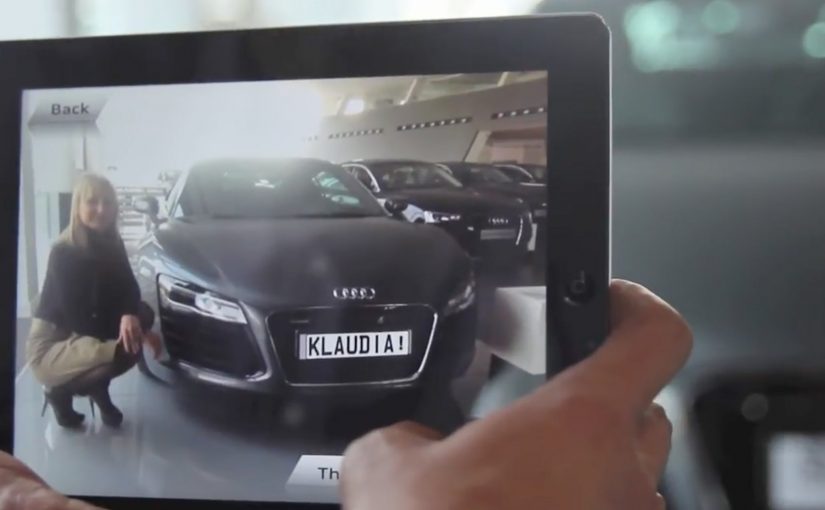
For the opening of their biggest showroom in South-East Asia, Audi created AR experiences that allowed visitors to fly around the showroom building without actually boarding a plane, or drive the Audi R18 race car around Singapore at full speed without the risk of getting a ticket. What’s more, they even allowed visitors to personalize their individual license plates and then take photos with the car.

Dakar race in a shopping mall

A real Dakar desert racecourse was built for the new Opel Mokka on a 4mtrs long table that was placed in a shopping mall. Visitors could use the provided iPads to race against time and each other. The results were then shared on Facebook, and the weekly and overall winners received various prizes.

Christmas Ornament Sling

Deutsche Telekom, for their Christmas promotion, developed an iPad app where visitors could throw virtual Christmas ornaments containing their personal message onto a huge Christmas tree erected in a mall. A successful hit to one of the real ornaments on the tree lit it up through an integrated server application.

The pattern across all three: AR turns “watching” into doing

None of these examples treat AR as a gimmick. Each one uses the device as a bridge between curiosity and action. You explore a building. You race a course. You aim a message at a real tree. The screen stops being a place to consume. It becomes a tool to participate.

In retail and shopper environments, augmented reality works best when it turns a physical setup into a simple, repeatable action loop for the visitor.

The real question is whether your AR layer gives the visitor a simple verb and a payoff worth repeating.

Why retail is the natural habitat for AR

Retail already has the ingredients. Footfall, dwell time, and physical objects that can anchor the experience. AR simply adds a layer of viewer control. The visitor decides where to look, what to try, and what to share. This works because the physical anchor keeps the choice set small, so the device can turn curiosity into a low-friction action with an immediate outcome.

Extractable takeaway: AR earns its keep when the physical setup stays simple and the device turns it into a repeatable action that produces a visible outcome worth sharing.

What’s really being built here

These are not “apps.” They are engagement machines, meaning they turn a physical setup into an interaction loop with a reward and an easy share path. Each one creates a clear reason to interact, a clear reward for completing the action, and a clear path to share or repeat. That is how you turn novelty into behavior.

Four retail-ready AR mechanics to copy

  • Anchor it physically. Anchor the experience to a physical object people can gather around. A showroom, a tabletop course, a tree.
  • Give the visitor a simple verb. Fly, drive, race, sling. Actions beat features.
  • Design a tangible payoff. A photo, a score, a lit ornament. Make the outcome tangible.
  • Make sharing a by-product. Make sharing a natural by-product of the activity, not a forced button at the end.

A few fast answers before you act

What makes these 2013 AR examples feel “ready” for real audiences?

They are built around clear actions and clear rewards. The device is used to do something in the physical environment, not just view an overlay.

Which devices are central to these activations?

Tablets and phones are the delivery mechanism. The examples explicitly reference iPads and handheld devices for the AR interaction.

What role does sharing play in these concepts?

Sharing is tied to the activity. Photos with the car, results shared on Facebook, and personal messages sent as virtual ornaments.

What is the common mechanic across the three examples?

The camera-enabled device acts like a controller that links a real-world setup to a virtual experience, giving the viewer control over exploration and interaction.

How do you keep AR from feeling like a gimmick?

Make the overlay serve a real action and a visible outcome. If the visitor can do something concrete and see a result that is worth showing, the experience stops being novelty and starts being behavior.

Red Stripe Musical Extravaganza

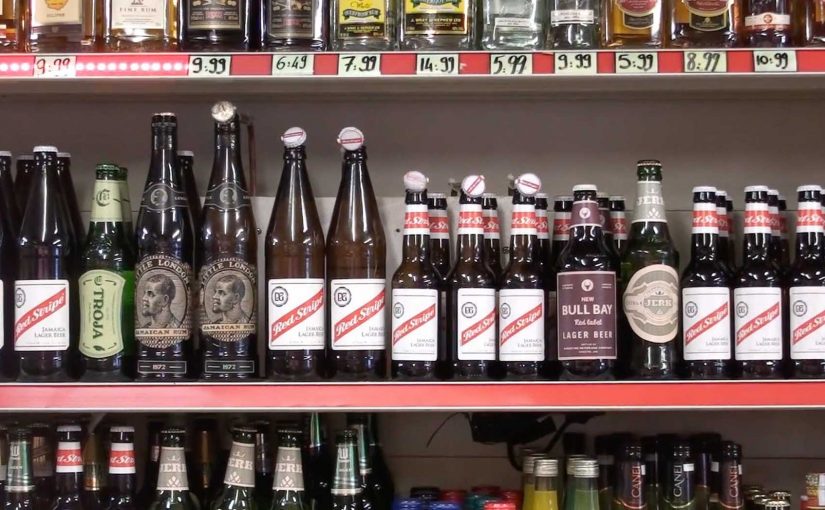
Red Stripe, a Jamaican lager brand, transforms an ordinary-looking East London corner shop into a singing, dancing musical extravaganza. Products across the shop turn into instruments that burst into a melody when a customer selects a Red Stripe. Noodle pots become maracas. Bottles turn into trumpets. Cans become xylophones.

To capture the surprise, 10 hidden cameras record customer reactions as the shop “comes alive.”

The real question is how you turn a routine purchase into a moment people want to retell and share.

This kind of retail theatre works best when the shopper triggers the show through a product choice, and the documentation is designed to scale the moment beyond the store.

The shop becomes the media

This is not a poster on a wall. It is the environment itself performing. The moment of selection triggers the show. The shelf becomes the stage.

That shift matters because it makes the brand moment inseparable from the act of buying. It is shopper marketing that feels like entertainment, not persuasion. Here, shopper marketing means designing the buying environment so the act of choosing the product creates the brand experience.

The trigger is the product choice

The smartest part is the mechanic. Nothing happens until the customer chooses the product. That makes the experience feel personalised, even though it is engineered. Because the trigger is the shopper’s own choice, the surprise reads as a reward, not a push.

It also makes the story instantly explainable. “When you pick up a Red Stripe, the shop turns into a band.”

If you can explain the trigger in one sentence and show real reactions, the activation comes with built-in distribution.

In retail and FMCG environments, the point-of-sale moment is where intent becomes action, and where a brand can earn attention without interrupting it.

Why hidden cameras make the idea travel

The in-store performance is powerful, but it is local. The video is what scales it. Real reactions signal authenticity, and the format becomes shareable proof that the stunt actually happens.

Extractable takeaway: If you want the idea to travel, design the filmed proof as part of the concept. Authentic reactions do the credibility work that polished edits cannot.

Steal the point-of-sale trigger

  • Trigger at the shelf. Make the point-of-sale moment the trigger, not the end of the journey.
  • Instrument the environment. Convert ordinary objects into a surprising behaviour, so the setting becomes memorable.
  • Film for scale. Capture genuine reactions, then let the video do the distribution work.

A few fast answers before you act

What happens in the Red Stripe Musical Extravaganza?

An East London corner shop turns into a musical performance. Shop items become instruments that play when a customer selects a Red Stripe.

What turns into instruments?

Noodle pots become maracas. Bottles become trumpets. Cans become xylophones.

How is it captured?

Ten hidden cameras record customer reactions.

What is the core mechanic that makes it work?

The product selection triggers the performance, so the “brand moment” happens at the exact point of purchase.