
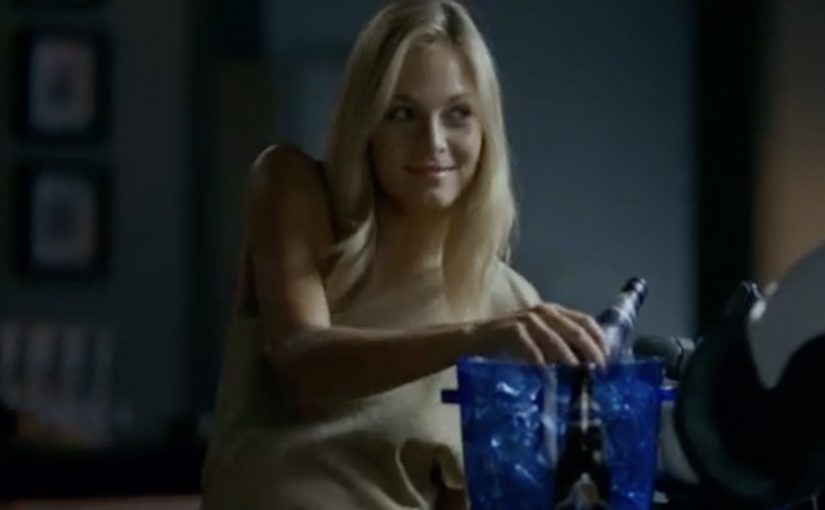
Tiger Beer: The Last Tiger

How far would you go for a bottle of Tiger Beer? That is the question posed by the campaign for the brand by Saatchi & Saatchi.

A last-bottle dare, turned into a brand moment

Reportedly, the film plays the “last bottle” scenario as a competitive, larger-than-life showdown, then punctures the testosterone with a dose of feminine charm. It is a simple tension. One bottle. Too many people who want it. Social rules bend fast when scarcity shows up.

From TV tension to small digital interactions

Mechanically, the idea extends beyond the TVC (television commercial) by giving fans lightweight ways to participate: a personality quiz, downloadable avatars, a wallpaper creation function, and a “happy hour” reminder widget that nudges people to take a break after a long day at work.

In Southeast Asian beer marketing, translating a TV story into lightweight, shareable participation is a reliable way to extend reach beyond the media buy.
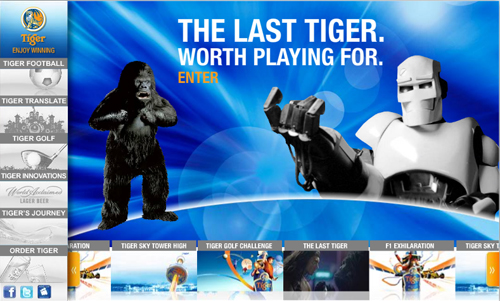
Tiger Beer Website

A useful pattern here is the conversion of one emotional hook into repeatable touchpoints. Identity (quiz result). Self-expression (avatar). Personalization (wallpaper). Timing cue (the reminder widget). Each interaction is small, but it keeps the campaign’s core question alive in moments when people are actually deciding what to do next.

Brands should resist bolting on unrelated features and instead reuse the same tension across every micro-interaction.

The real question is whether the digital layer keeps the same scarcity tension alive at the moment someone can act on it.

What the “happy hour” widget is really doing

Even if someone watches the film once, a time-based reminder can re-open the narrative at the most relevant moment. End of work. Start of social time. This works because the timing cue re-enters a real routine, so the story resurfaces when choices are being made. It is not about “more content”. It is about putting the same story back in front of the user when it can convert into action or talk value.

Extractable takeaway: A timing mechanic is often the highest-leverage digital element because it returns the same story at decision time, not just at viewing time.

How to reuse a scarcity premise in digital

  • Start with one tension. If the film’s premise can be summarised in one sentence, it is easier to translate into digital actions.
  • Design for replay, not depth. Quizzes and downloads work when they are fast, obvious, and socially legible.
  • Add a timing mechanic. A reminder widget or calendar nudge can outperform another “feature” because it re-enters a real routine.
  • Keep every interaction tied to the same story. If an element does not reinforce the core question, it becomes decoration.

A few fast answers before you act

What is “The Last Tiger” concept?

A scarcity story. One “last bottle” triggers social competition, and the campaign invites viewers to imagine how far they would go for it.

How does the digital layer support the TV film?

It breaks the central tension into quick actions people can complete and share: a quiz, avatar downloads, wallpaper creation, and a time-based “happy hour” reminder.

Why include a “happy hour” reminder widget?

Because it re-surfaces the campaign at a high-intent moment. The end of the workday. The start of social decisions.

What makes the digital interactions feel connected, not gimmicky?

They all reinforce the same premise. One last bottle, and the social scramble it triggers. If an interaction does not echo that tension, it will not travel.

What is the transferable lesson for other brands?

Turn one strong film premise into three to five tiny interactions that reinforce the same story, and add at least one timing cue that re-enters a routine.
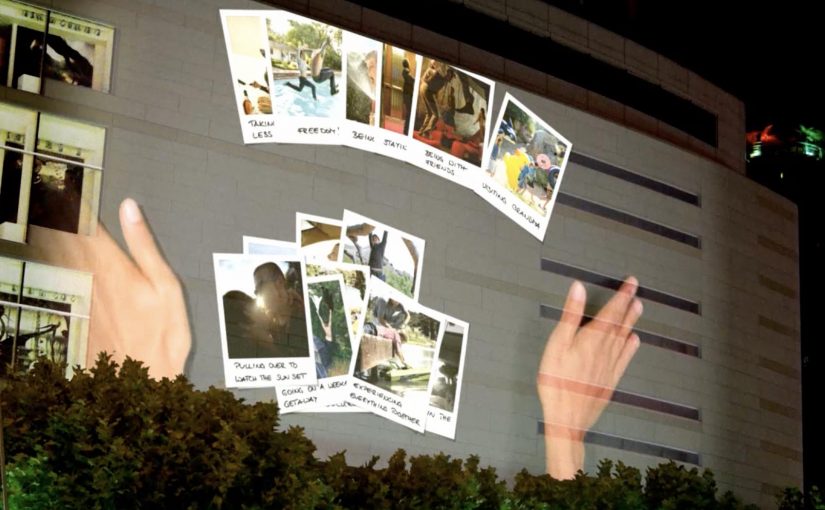
Volvo: There’s More to Life, in 3D

Volvo is pushing past the “cold Swedish marque” perception and leaning into an emotion-led brand campaign built around a disarming line: “There’s more to life than a Volvo.”

The campaign print ad sets up a string of human moments, then lands the message back on the car with a safety punchline. “There’s not running into the car ahead of you, in your XC60. That’s why you drive one.”

Germany gets a very different kind of treatment. A 3D projection in Frankfurt turns the thought into a public spectacle, produced by NuFormer in cooperation with Saatchi & Saatchi.

When the brand line needs public proof

Projection mapping, sometimes called 3D video mapping, is the practice of aligning animated light to the exact geometry of a building facade so the architecture appears to move, fold, or transform. Here, it becomes a storytelling canvas for an emotion-led repositioning. By public proof, I mean a shared, observable moment that demonstrates the brand promise in the real world.

Across European automotive brand building, public-space spectacle is often used to make an abstract shift in perception feel immediate and shared.

Why this execution fits the line

“There’s more to life than a Volvo” only works if it feels like an invitation, not a lecture. The projection format helps because it is experiential rather than declarative. It lets the audience feel the campaign instead of being told about it.

Extractable takeaway: If a repositioning line asks for emotion, design the experience so the audience lives the feeling first, then let the product proof arrive as the payoff.

It also reframes safety. Safety is still the payoff, but it arrives after life. The story says: live fully. Then rely on the car to take care of you when the unpredictable happens.

The real craft move

The real question is whether your repositioning can be experienced, not just stated.

This is branded content without pretending to be entertainment content. The execution does not hide the brand. It earns attention through novelty in public space, then uses that attention to make the line stick as a memory.

Turn a repositioning line into proof

  • Pick a line that can carry a scene, not just a tagline. If you can imagine it as an experience, you can build with it.
  • Translate the message into a physical moment, so “brand shift” becomes something people witness together.
  • Keep the emotional arc intact. Life first, product proof second. That order is the strategy.
  • Use one technical definition inside the story, so audiences and answer engines can repeat what the format is and why it matters.

A few fast answers before you act

What is projection mapping, in plain terms?

It is a technique where projectors are calibrated to a building’s shape so animated visuals appear to interact with the architecture, creating a 3D illusion.

Why use a 3D projection for a brand line?

Because it makes an intangible message tangible. A public moment gives a repositioning scale, memorability, and social proof.

How does this support Volvo’s safety story without leading with safety?

It frames safety as enabling life, not replacing it. The campaign invites emotion and spontaneity, then lands on protection as the reason the promise is credible.

What is the key risk with spectacle-led brand work?

If the spectacle is not anchored to a single, repeatable line, people remember the show and forget the meaning. The message must be retellable in one sentence.

What should be measured to judge effectiveness?

Unaided recall of the line, brand attribute shift toward “modern” and “engaging,” plus amplification signals like organic shares and press pickup tied to the execution.