
Oishi Green Tea: Boobs and Tea

Oishi Green Tea: Boobs and Tea

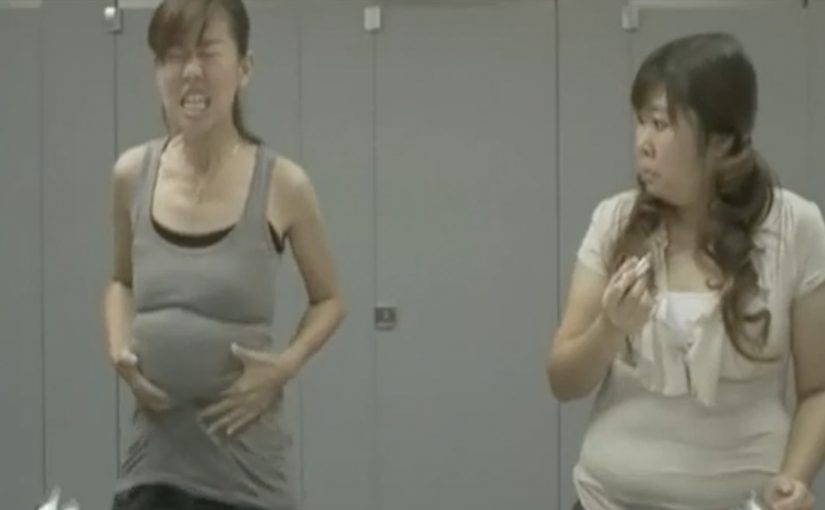
This Thai TV commercial is for Oishi Green Tea, and it plays with a cheeky visual gag that links the drink to an exaggerated, attention-grabbing “benefit”. It is knowingly silly, and it uses that silliness to earn recall.

The visual gag at the center

The mechanism is classic comedic advertising. Set up a normal scene, introduce a sudden, unexpected twist, then let the audience do the interpretation. The product stays simple. The story does the heavy lifting.

In mass-market FMCG beverage advertising, suggestive humor is often used as a shortcut for memorability when functional differences are hard to dramatize.

The real question is whether the brand stays simple enough for the joke to land in one glance, rather than letting the cheekiness become the whole point.

Why it lands

This works because it commits to one clear joke and delivers it fast. The “wait, did that just happen” moment creates the share impulse because surprise plus instant readability makes the scene easy to retell, even if you only half-watch it.

Extractable takeaway: If you want a low-budget TVC to stick, build around one instantly readable twist. Then keep everything else ordinary so the twist has contrast and impact.

What to steal for your own brand film

  • One gag, clean payoff. A single idea executed clearly beats layered cleverness in short-form film.
  • Contrast is the engine. Ordinary setup plus unexpected shift is what makes the moment pop.
  • Do not over-claim. Let the audience infer the “benefit” as a joke instead of stating it as fact.
  • Make it retellable. If someone can summarize it in one sentence, it travels.

A few fast answers before you act

What is this ad doing in one sentence?

Using a cheeky, suggestive visual gag to make Oishi Green Tea memorable and talk-worthy.

Why does suggestive humor work in beverage ads?

It creates instant attention and recall, especially when the product itself is not visually dramatic.

What is the main creative discipline here?

Clarity. The twist has to read immediately, or the joke collapses.

What is the biggest risk with this style?

Backlash or misinterpretation if the tone feels crass, or if the “implied benefit” is read as a real claim rather than a joke.

What makes this kind of ad easy to share?

A single readable twist makes the film easy to retell in one sentence, which helps it travel beyond the first viewing.
McDonald’s: Sleeping Baby

McDonald’s: Sleeping Baby

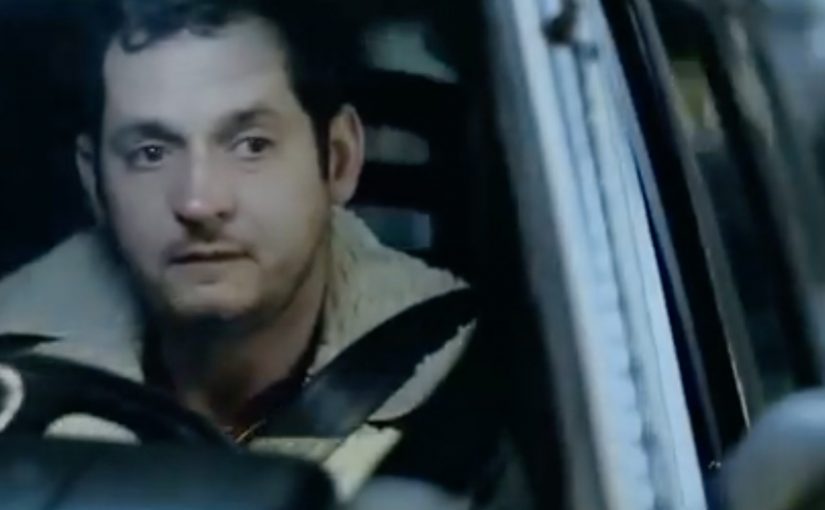
Exhausted new fathers count on McDonald’s and they will appreciate this nicely crafted McDonald’s spot by TBWA\Chiat\Day.

How the spot works

The real question is how you make the brand feel helpful in a fragile moment, without turning the scene into an ad.

The mechanism is a single, quiet objective. Keep the baby asleep. Every beat protects that constraint, which is why the brand can show up as the solution without needing to explain itself. This is strong work because it keeps the human tension in charge and makes the brand the enabler, not the headline. By “disciplined” execution, I mean no extra jokes, no explaining, and no sudden volume spikes that break the reality of the moment.

In mass-market consumer categories, small “life moment” stories like this can make a brand feel dependable without shouting.

Why this spot lands

The premise is instantly recognizable, and the execution stays disciplined. It leans on a real-life tension. Keep the baby asleep. Get what you need. Do not make a sound. That restraint is exactly what makes the humor feel earned instead of forced.

Extractable takeaway: When the audience already understands the tension, your job is to protect it. Hold back the message, and the brand benefit will feel discovered, not delivered.

  • Relatable truth first. The situation does the storytelling heavy lifting.
  • Craft over noise. The pacing and detail make the moment feel real.
  • Brand as helpful, not loud. McDonald’s shows up as the dependable solution in a small life moment.

What to take from it

If you can anchor the story in a lived-in human moment, you do not need to over-explain the product role. The viewer connects the dots, and the brand benefit feels natural rather than “sold”.

  • Pick one objective. Build every beat around a single constraint your audience instantly feels.
  • Let the brand enable. Show the brand solving the moment, not narrating its value.
  • Use restraint deliberately. Less copy and fewer “extra” jokes can increase believability and replay value.

A few fast answers before you act

What is the “McDonald’s: Sleeping Baby” spot?

It is a McDonald’s commercial credited to TBWA\Chiat\Day, built around the reality of exhausted fathers and the tension of not waking a sleeping baby.

Why is it effective advertising?

It starts from a universal situation and keeps the execution restrained, so the humor feels authentic and the brand role feels earned.

What is the transferable lesson?

Find one human truth your audience instantly recognizes, then let craft and timing deliver the payoff instead of relying on heavy messaging.

How does the brand show up without being intrusive?

By acting as the reliable enabler of a small win in the viewer’s day, rather than forcing a big claim or a loud punchline.

Who created the spot?

It is credited to TBWA\Chiat\Day.

Scribe: World of Paper

Scribe: World of Paper

A paper universe that starts with a notebook

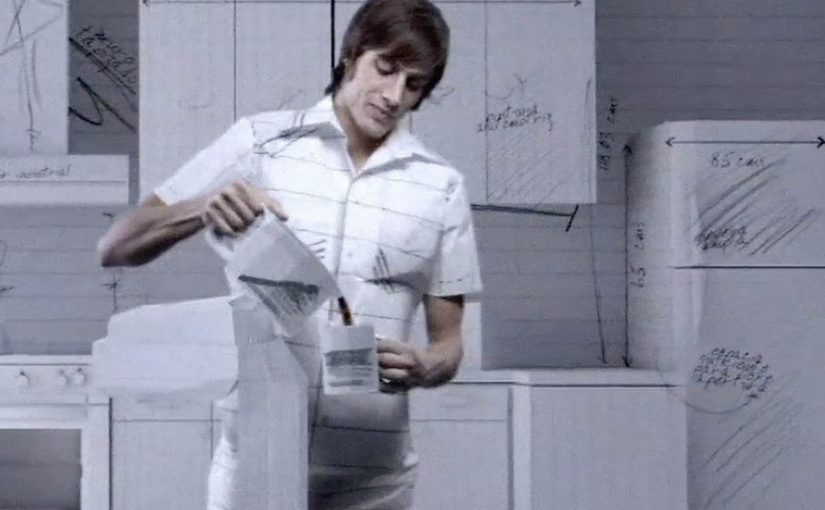
Cru de Ladies and BBDO México created this film to promote the notebook brand Scribe. It is described as being produced in just two weeks, and it leans hard into a single idea. Everything becomes paper.

How the “world of paper” effect sells the brand

The spot turns an everyday object into a generative tool. A notebook is not just something you write in. It is the source of a whole environment that folds, cuts, stacks, and rebuilds itself as if the real world is being sketched into existence. The craft is the argument. If paper can become anything, then this brand’s paper is worth paying attention to.

In consumer categories where the product looks ordinary at a glance, a single memorable metaphor can do more valuation work than a list of claims.

Why it lands

The film creates a simple emotional loop. Wonder first, then recognition. Viewers get the pleasure of seeing ordinary materials behave in extraordinary ways, and that pleasure transfers back onto the product category. Because the concept is visually coherent from start to finish, the brand feels like the author of the world, not a logo dropped on top of it.

Extractable takeaway: When your product is materially simple, build a coherent visual metaphor that makes the material feel limitless, then let craft carry the persuasion.

The business intent hidden inside the craft

This is not a “features” ad. It is a value-perception ad. The job is to upgrade how people talk about notebooks. From commodity. To identity and possibility. Once that shift happens, premium pricing and preference become easier to defend.

The real question is how to make an ordinary notebook feel like a source of possibility rather than a paper commodity.

What to steal from Scribe’s paper-world logic

  • Choose one world-rule and commit. One governing logic should shape every scene. A single consistent metaphor beats a collage of disconnected tricks.
  • Make the product the source of the transformation. The notebook creates the world, so the brand earns authorship.
  • Let technique serve meaning. Effects land when each one reinforces the same promise, not when they compete for attention.
  • Keep the narrative readable without words. If the story plays on mute, it travels further and ages better.

A few fast answers before you act

What is Scribe’s “World of Paper”?

It is a brand film that imagines everyday life as a paper-crafted universe that unfolds from a Scribe notebook, using craft and visual transformation to make the category feel magical and premium.

What is the core creative mechanic?

A single world-rule drives the piece. One governing logic applies to every scene: everything is paper, and the notebook is positioned as the source that generates and reshapes the environment.

Why does a craft-led film work for a simple product?

Because it upgrades perception. The viewer’s delight and attention attach to the material, which makes the brand feel more valuable without needing feature claims.

What should marketers copy from this approach?

Commit to one coherent metaphor, make the product the engine of the story, and keep the narrative readable on mute.

What is the most common way this kind of film fails?

When the effects become the point and the product becomes a prop. If the product is not the source of the transformation, the brand does not earn the meaning.