
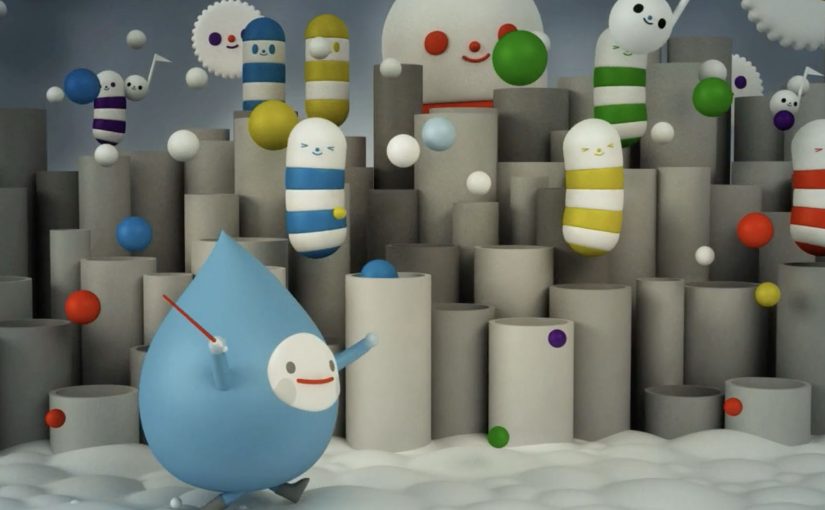
FriendsWithYou: Cloudy

Miami based animation studio FriendsWithYou has produced “Cloudy”, a short film exploring the concept of clouds singing and performing their duties in a joyful manner while showing the viewer that everything in our world has a role and a purpose.

Sit back and enjoy this sweet visual soundscape that takes you through a personal journey into the sky. Here, “visual soundscape” means a piece where rhythm, tone, and imagery do the narrative work together.

A sky full of characters, not weather

“Cloudy” treats the atmosphere like a workplace musical. Clouds are not background texture. They are the cast, with jobs to do, rhythms to keep, and a mood that turns routine into celebration.

The mechanic: give nature a chorus

The film’s core device is straightforward. Personify the clouds, make the labor visible, and score it like a performance. Once the viewer accepts that premise, every movement becomes readable as intention rather than randomness.

In brand and studio storytelling, anthropomorphism lands when it is used to clarify a system rather than merely decorate a scene.

Why this lands as a “visual soundscape”

The piece is gentle, but it is not passive. It holds attention by pairing simple character purpose with musical momentum, so you feel guided through the sky rather than shown a series of pretty shots.

Extractable takeaway: If you want viewers to remember a message about meaning or purpose, do not explain it first. Stage it as a system of roles, then let the audience feel the order before you name it.

What it is really doing

Beyond the craft, the film is an attitude. It argues that work can look joyful, that duty can look like play, and that even the quiet background parts of a world can be the main event when you frame them that way.

The real question is whether purpose can be made felt before it is explained.

What to steal for your own short-form craft

  • Pick one premise and commit. Once clouds can sing, every scene should deepen that rule, not diversify into new ones.
  • Make “process” the plot. Showing how something gets done is often more watchable than inventing a separate story.
  • Let sound carry structure. A strong musical spine can turn a mood piece into a journey with forward motion.
  • Give the viewer one clean idea to take home. Purpose is easier to feel when every character has a job.

A few fast answers before you act

What is Cloudy?

“Cloudy” is a short animated film by FriendsWithYou that imagines clouds singing and joyfully doing their work, to suggest that everything has a role and a purpose.

What makes it a “visual soundscape”?

The experience is built as much on rhythm and audio mood as on imagery. The sound is not decoration. It is the structure that carries the viewer through the piece.

Why does anthropomorphizing clouds work here?

Because it makes an abstract system legible. Once clouds behave like characters with duties, the viewer can follow cause, effect, and intention without needing exposition.

What can brands learn from this kind of short?

When you want to communicate values like purpose, care, or optimism, show a world where roles are clear and the system feels coherent. That feeling transfers faster than a stated message.

What should creators copy first?

Start with the rule, not the ornament. Give the world one clear premise, then let character, sound, and motion keep proving it.
Max Zorn and Ilana Yahav: Tape and Sand Art

Here is a novel approach to two different kinds of art.

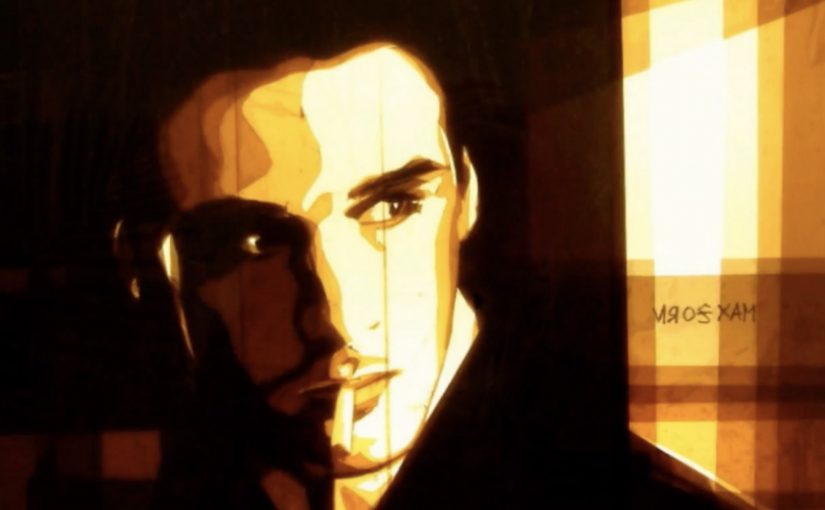
Tape Art by Max Zorn

Tape art is exactly what it sounds like: images built from cut and layered tape rather than paint. What makes this version so watchable is the reveal. The scene sharpens as light passes through the tape and the darker cuts define faces, shadows, and edges.

Sand Art by Ilana Yahav

Sand art in this form is live sand animation: a performer draws with sand on a lit surface while the camera captures the transformation in real time. The image keeps evolving. Characters become landscapes, then dissolve into the next beat of the story.

What both techniques have in common

Both styles use humble materials and a strong constraint to create drama. Tape relies on cutting, layering, and backlight. Sand relies on gesture, timing, and continuous change. In both cases, the process is not a behind-the-scenes detail. It is the point.

In brand and content environments where attention is earned through demonstration, process-first art formats, meaning the making is the narrative, work because the transformation is visible.

The real question is whether your content can make progress legible enough that people want to watch to the end.

Brands should design for the reveal, not just the final frame.

Why it lands

Both formats turn craft into suspense by letting the viewer track progress in real time and feel the constraint working.

Extractable takeaway: Highly shareable art formats make the transformation readable in motion. When the audience can follow the image changing step by step, the process becomes the hook and the result becomes the proof.

It turns craft into suspense. You are not waiting for a final reveal. You are watching the image assemble itself in front of you.

It is instantly legible. Even without context, the viewer can track progress: shapes become meaning, and meaning becomes a scene.

It makes constraint feel like a superpower. Limiting the toolset (tape or sand) increases appreciation, because the outcome feels “impossible” relative to the materials.

Borrowable moves

  • Design for a visible build. If the audience can’t track progress, you lose the “how did they do that?” effect.
  • Commit to one constraint. One material. One rule. The constraint is what gives the work its identity.
  • Use light as a storytelling tool. Backlight and contrast do more than look good. They guide attention and make detail emerge at the right time.
  • Let the medium define the pacing. These pieces work because the rhythm matches how the image is formed, not how an editor wants to cut it.

A few fast answers before you act

What is “tape art” in this context?

Artwork created by cutting and layering tape to form images. The look often depends on light, translucency, and negative space rather than brushstrokes.

What is “sand animation”?

A live performance where images are drawn with sand on a lit surface and continuously transformed, so the story emerges through motion rather than static frames.

Why do these formats work so well on video?

Because the making is the story. Viewers stay for the transformation, then share because the craft feels both simple and astonishing.

What makes the work feel “novel” even when the materials are basic?

The constraint is unusual and the reveal is staged. The audience watches ordinary materials produce an unexpectedly cinematic result.

How can a brand borrow this without copying it?

Borrow the structure: one clear constraint, a readable transformation, and a finish that feels earned by the process.

Yamaha: Coast

A TV spot built around one clean optical trick

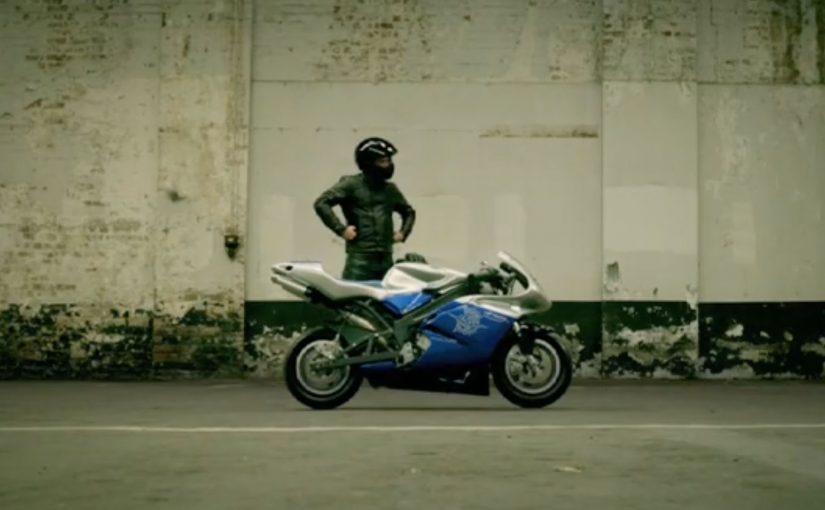
A neat optical illusion by Clemenger BBDO Adelaide for the TV ad.

How it works: perception as the hook

The mechanism is simple. The viewer’s brain tries to resolve what it is seeing, then the illusion “clicks” and the ad earns a second look. That moment of resolution does the heavy lifting. It buys attention without shouting for it.

In mass-reach brand communication, perceptual puzzles can act as a fast attention magnet because they create a micro-challenge the viewer wants to complete.

The real question is whether a single perceptual device can earn attention at scale without weakening the brand’s premium cues.

Why it lands: the viewer completes the experience

Optical illusions work because they recruit the viewer’s pattern recognition. You are not just watching. You are solving. That tiny sense of participation creates a stronger memory trace than a standard montage of claims. Here, “memory trace” just means how likely the viewer is to recall the ad and brand later.

Extractable takeaway: If you can make the viewer do one tiny piece of perceptual work, you can earn attention and memory without adding noise.

The business intent: make the brand feel smart and premium

Using a clean visual device signals confidence. It suggests craft, control, and intelligence. The brand benefits from the association: if the ad is clever and precise, the product inherits some of that perceived quality.

This approach is strongest when you want mass attention but need the brand to feel calm and premium.

Practical takeaways from a one-device illusion ad

  • Use one primary device. A single clear trick beats three competing ideas.
  • Design for the “click” moment. Structure the reveal so the viewer feels the resolution, not just sees it.
  • Keep the frame uncluttered. Illusions need visual discipline to land quickly.
  • Let craft do the persuasion. A well-executed device can communicate confidence better than copy.

A few fast answers before you act

What is the core creative idea in “Yamaha: Coast”?

A TV spot built around a single optical illusion that creates an “aha” moment and earns a second look through perceptual surprise.

What is the core mechanism?

A perceptual puzzle. The viewer’s brain tries to resolve what it is seeing, and the moment the illusion “clicks” becomes the engagement engine.

Why do optical illusions increase attention?

They create a micro-challenge the viewer wants to complete. That small participation moment makes the experience more memorable than a standard claim-led montage.

What is the business intent of using a clean visual trick?

To signal craft and confidence, and transfer a sense of intelligence and premium precision from the ad to the brand.

What is the most transferable takeaway?

Use one primary device, design for a clear “click” moment, and keep the frame disciplined so the effect lands instantly.