
NOFF: Casting Tape

A trailer disguised as something you should not be watching

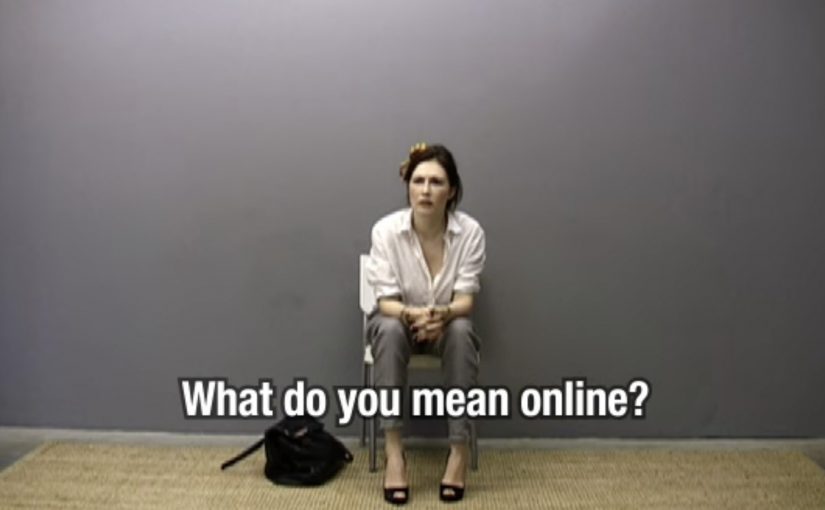
This video is presented as a “casting tape”. A raw, behind-the-scenes style clip featuring Carice van Houten that plays like a leak rather than a polished promo. The format does the heavy lifting, because it invites curiosity first and “what is this for” second.

How the mechanism pulls attention

Instead of explaining the festival with a standard trailer structure, the campaign uses a familiar industry artifact: the audition tape. It pushes it far enough into performance that viewers keep watching to see where it goes. Subtitles widen shareability across audiences who do not speak the original language, and the “found footage” tone lowers the viewer’s ad resistance.

In digital film and festival promotion, simulated behind-the-scenes footage can convert passive viewing into social forwarding because it feels like insider access.

Why it lands

It lands because it borrows the emotional contract of gossip. You are not “watching an ad”. You are watching something you might forward to someone else with a short message like “watch this”. That is the distribution advantage. The entertainment value sits in the format, not in a list of festival benefits. The real question is how to make a broad cultural offer feel like a must-watch artifact instead of a calendar listing. For a festival, this is a stronger opening move than a standard highlights reel because it sells intrigue before information.

Extractable takeaway: If your content offer is broad (a catalogue, a festival, a platform), lead with one irresistible artifact that feels like insider access. One artifact can outperform a perfectly edited overview.

What festival marketers can lift from this

  • Choose a format with built-in curiosity. Auditions, rehearsals, tests, and “first takes” invite completion.
  • Make it feel native to the category. A film festival using casting language is instantly credible.
  • Design for forwardability. A single clip people can share without explanation beats a multi-part explainer.
  • Use subtitles as reach infrastructure. They improve completion and sharing across borders.

A few fast answers before you act

What is this video promoting?

It is positioned as a promo asset for the Nederlands Online Film Festival, using a “casting tape” format to attract attention.

Why use a casting tape instead of a normal trailer?

Because casting tapes carry an “insider” feel. That makes people watch longer and share more readily than they would with an overt trailer.

What role do subtitles play here?

They make the clip understandable outside its native language and increase the odds that viewers will finish and forward it.

What makes this approach risky?

If the “leaked” framing feels deceptive rather than playful, the audience can reject it as manipulation.

How could a smaller festival apply the same idea?

Create one standout “artifact” clip (audition, rehearsal, jury-room moment) that feels like privileged access, then let it act as the entry point to your broader programme.

Heineken: Walk-in Fridge

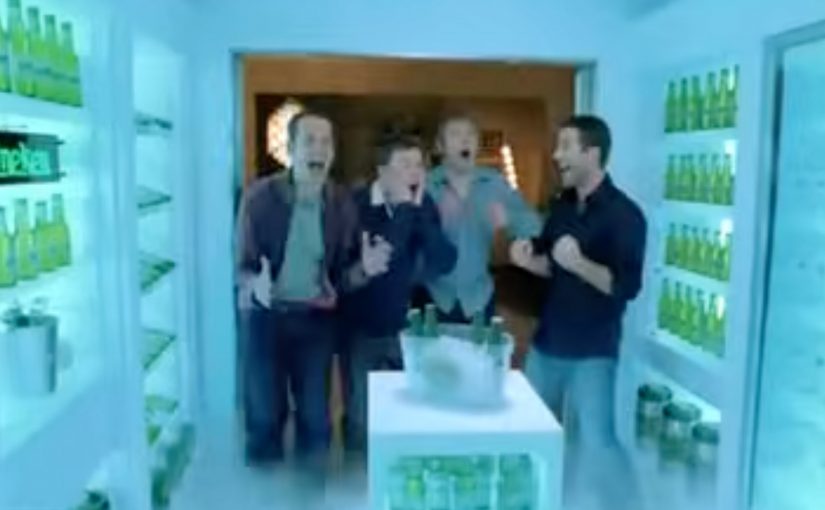
Heineken’s “Walk-in Fridge” starts with a familiar house-tour setup. A woman shows her new place to a group of female friends while her partner gives his own tour to a group of male friends. The women reach the bedroom and open doors to reveal a spectacular walk-in closet, and they erupt.

Then everyone hears an even louder scream from down the hall. The men have just been shown the ultimate kitchen appliance. A huge walk-in refrigerator completely stocked with Heineken.

Why the twist works so well

The craft is all in the parallel structure. Two tours. Two reveals. Two reactions. The spot lets you predict the rhythm, then it flips the meaning. The women are thrilled by luxury storage. The men are ecstatic about cold beer on tap, at home, forever.

Extractable takeaway: Design for “one-sentence retellability”. That means someone can describe the premise in a single line and the punchline still lands before they even press play.

In global FMCG marketing, the most durable humor is the kind that delivers a one-frame payoff you can understand with the sound off.

The real question is whether your idea still lands as a single, instantly retellable visual beat.

What the ad is really saying about the brand

The fridge is not a product feature. It is a fantasy object. Heineken becomes the thing worth screaming for. That is premium positioning done through comedy, not copy lines. That is a positioning move worth copying when you need premium cues without heavy-handed copy.

It also uses the home as a stage for status. The walk-in closet signals taste. The walk-in fridge signals desire. Heineken wants to sit in that second category.

Distribution behavior built into the idea

This film is designed to travel online because the reaction is the asset. You do not need a celebrity. You do not need context. You just need the reveal and the scream.

That matters because the spot can earn attention in the exact environments where people skip ads, by being the kind of clip people choose to send each other.

Steal the reveal structure

  • Write for a single reveal. If the payoff is clean, the audience does the distribution.
  • Use symmetry. Parallel structure makes the twist feel inevitable, then surprising.
  • Make the reaction the headline. When the reaction is the story, you get replay value.
  • Build “one-sentence retellability”. If someone can pitch it instantly, it will spread.

A few fast answers before you act

What is the core idea of Heineken’s Walk-in Fridge?

It is a parallel-reveal comedy spot. Women celebrate a walk-in closet, then men celebrate a walk-in fridge stocked with Heineken, with the men’s reaction intentionally bigger.

Why does the parallel structure matter?

Because it creates rhythm and expectation. When the second reveal hits, the audience instantly understands the joke and the contrast without explanation.

What makes this feel “premium” rather than “cheap humor”?

The fantasy object is aspirational. The walk-in fridge is framed like a luxury upgrade, not a slapstick prop, so the brand inherits desirability from the setting.

What is the biggest risk in using gender-role jokes?

They can age badly. The safest way to use them is to keep the tone playful and the insight broad, and avoid implying that one group is smarter or better than the other.

What should you measure for a film built to travel online?

Measure retell accuracy, completion rate, and voluntary shares. If people can repeat the premise correctly and still want to send it, the mechanic is working.

Dream Job Brasil: Massage Therapist

A “dream job” ad that sells the fantasy

This film plays like a cheeky career pitch. It takes a role most people file under “practical” and frames it as wildly aspirational, using humor and a little provocation to make the point stick.

The mechanism: flip reality into wish-fulfillment

The creative move is simple. Here, wish-fulfillment means turning an ordinary role into an exaggerated fantasy of status and reward. Instead of listing benefits or talking about training, it dramatizes the emotional payoff of the job by pushing a familiar workplace dynamic to an exaggerated extreme.

This works because it turns a functional job claim into an instantly felt reward.

In mass-market recruitment advertising, a single, culturally legible exaggeration can make a role feel desirable faster than a rational list of pay, stability, or prospects.

Why this lands as a shareable job ad

It compresses the pitch into one punchline. You do not need context, brand knowledge, or even language fluency to get the joke, which is why this format travels well beyond its media buy. The real question is whether the audience can feel the upside of the role before they have time to analyse it. This is the right strategy when a job category needs desire more than explanation.

Extractable takeaway: If you want a recruitment message to spread, lead with an instantly readable scenario that dramatizes the emotional upside. Then let the brand be the quiet enabler, not the lecturer.

What to steal from this recruitment setup

  • Sell the feeling, not the spec. Especially for “everyday” roles, aspiration is often emotional, not informational.
  • Commit to one clear gag. One idea people can retell beats five benefits they will forget.
  • Make it understandable on mute. The best sharable spots still work through visuals and pacing alone.
  • Keep the brand role clean. The ad should feel like a story first, and a message second.

A few fast answers before you act

What is this film trying to achieve?

It makes a job-search brand’s promise tangible by portraying a role as a “dream job” through an exaggerated, comedic scenario.

Why use humor instead of a rational pitch?

Because humor is a memory shortcut. It creates instant comprehension, higher share intent, and faster recall than a feature list.

What is the core creative technique here?

Role and expectation reversal. The ad takes a familiar situation, flips power and desire, then rides that contrast for impact.

When does this approach work best?

It works best when the audience already understands the job category and the brand needs attention and consideration more than explanation.

Why does this format travel beyond its media buy?

Because the joke is readable at a glance. When the emotional upside is obvious without much setup, the idea becomes easy to remember, share, and retell.