When print becomes interface, not paper
In European automotive marketing, the best product storytelling often happens before the test drive, when you can turn curiosity into comprehension with a tangible experience.
Transforming classic print surfaces into smart touch based surfaces through special conductive ink and sensors has been around for a while now. But I still thought the below execution from Audi was worth a mention, as it was a step forward for the technology since it surfaced in 2014.
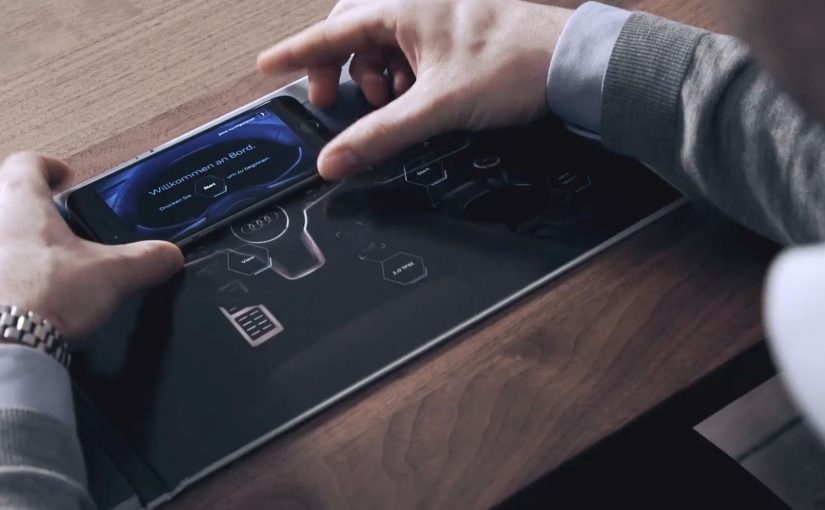
The Audi TT was the first Audi model to feature a revolutionary Virtual Cockpit. So to inspire customers, Razorfish Germany used conductive ink, haptic feedback, Bluetooth and a custom smartphone app to transform the car’s conventional sales brochure into a smart surface which gave viewers an augmented touch based journey through the car’s Virtual Cockpit.
How the brochure hack worked as a connected demo
The mechanism was smart print plus a companion device.
Conductive ink turned parts of the brochure into touch-sensitive zones. The smartphone app acted as the compute layer and controller. Bluetooth linked the physical brochure to digital content, while haptic feedback reinforced the feeling that the brochure itself had become an interface.
Instead of reading about Virtual Cockpit, viewers navigated it through touch, guided by the brochure’s layout.
Why touch and haptics made the feature feel real
Virtual Cockpit is a feature that can sound abstract on a spec sheet.
This approach translated an invisible digital capability into something you could physically explore. Touch reduces cognitive load. Haptics add confirmation. The result feels less like marketing and more like discovery, which is exactly what you want when the goal is to move someone from interest to intent.
The business intent behind turning a brochure into product experience
The intent was to make a new interface feature memorable and easy to understand before a customer ever sat in the car.
It also reframed the brochure from disposable collateral into a premium object that people were more likely to keep, show, and talk about, extending attention time well beyond the first touchpoint.
What to steal from this for your next “smart print” idea
- Use print to trigger behavior, not just convey information. If the product story is interactive, the media should be too.
- Make the first interaction obvious. Touch zones should feel discoverable without instructions.
- Pair physical feedback with digital content. Haptics and responsiveness make the experience feel credible.
- Choose smart print when it explains something complex. The tech earns its cost when it makes a hard-to-grasp feature instantly understandable.
A few fast answers before you act
What was the Audi TT “Brochure Hack”?
It was a printed sales brochure turned into a touch-sensitive interface, designed to help people explore the Audi TT’s Virtual Cockpit concept through guided interaction.
How did the brochure become interactive?
Conductive ink and sensors created touch zones in the brochure. A custom smartphone app provided the compute layer and content. Bluetooth connected brochure and phone, and haptic feedback helped the interaction feel physical and “real”.
Why is “smart print” useful for explaining a feature like Virtual Cockpit?
Because the feature can feel abstract on a spec sheet. Touch interaction reduces cognitive load and makes the experience feel like discovery instead of marketing.
What is the key mechanism in one line?
Physical touch triggers digital explanation. The brochure guides the hand, the phone delivers the content, and feedback confirms the interaction.
What did this change versus a normal brochure or video?
It increased time spent and comprehension by turning passive reading into guided exploration, which is especially valuable in high-consideration categories like automotive.
When does this pattern make business sense?
When you need to simplify a complex product story early in the funnel, and when the physical object is meant to be kept, shown, and revisited rather than discarded.
What should teams copy from this execution?
Use print to trigger behavior, not just convey information. Make the first interaction obvious. Pair physical feedback with digital content. Deploy this approach when interactivity is the shortest path to understanding.