
Wearable tech has a retention problem
Wearable technology adoption looks impressive at first glance. But usage tells a more complex story.
Research from Endeavour Partners shows that one in ten American adults owns an activity tracker, and half of them no longer use it. Similarly, one-third of American consumers who own smartwatches and other wearables stop using them within six months.
Those numbers raise an uncomfortable question.
Is wearable tech doomed before it has even gone mainstream in the rest of the world?
The problem is not the technology
The issue is not sensors, screens, or connectivity.
The issue is meaning.
Many wearables launch with novelty and metrics, but fail to integrate into daily life. Counting steps or tracking sleep is interesting. It is rarely essential.
When a device does not change what people can do, it gets abandoned.
When wearables truly matter
The story changes completely when wearables move from tracking to empowering.
In its latest Mobile Minute series, Mashable looks at how wearable technology enables people in incredible ways.
These are not incremental conveniences. They are life-changing capabilities.
Wearables that increase quality of life
Wearable technology begins to earn its place when it solves real human problems:
- Haptic clothing helps visually impaired people navigate the world through touch-based signals.
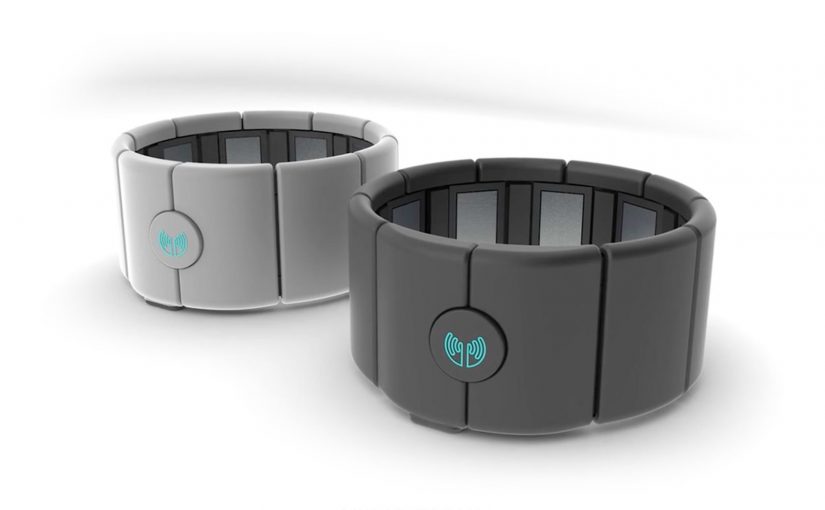
- Wearable interfaces allow people with limited mobility to control wheelchairs using subtle movements.
- Body-mounted cameras enable candid photography without drawing attention or interrupting moments.
In these scenarios, wearables are not gadgets. They are extensions of human ability.
Why abandonment and empowerment coexist
The same category produces both abandonment and breakthrough.
That is not a contradiction. It is a filter.
Wearables fail when they demand attention without giving value. They succeed when they quietly enable action, independence, and dignity.
The future of wearable tech is not about more data. It is about more capability.
In global consumer health and workplace wellbeing programs, wearable tech sticks when it removes daily friction and turns passive tracking into timely, actionable support.
The real future of wearable technology
Wearable tech is not going away. It is maturing.
The devices that survive will be those that:
- Fade into the background
- Respect the body and the moment
- Increase quality of life in tangible ways
This is how wearable technology moves from early adoption to lasting relevance.
A few fast answers before you act
Does high abandonment mean wearables are failing?
No. It usually means the use case is novelty or measurement-only, so the device never becomes essential in daily life.
What drives people to abandon wearables?
Friction and weak value. Charging hassle, comfort issues, unclear accuracy, notification fatigue, and metrics that do not change behavior.
What separates successful wearables from forgotten ones?
They enable action, independence, safety, or confidence in a specific moment. They do not just report data after the fact.
Where is the biggest long-term opportunity for wearables?
Assistive and supportive scenarios such as accessibility, chronic condition support, mobility, and safety. The value is empowerment, not tracking.
How do you evaluate whether a wearable belongs in daily life?
Ask what it lets a person do that they could not do before, and whether it works with near-zero attention and low maintenance.
What is one practical design rule for sticky wearables?
Reduce upkeep and interruptions. The best wearable fades into the background and proves its value at the moment of need.

