In 2011, Google partnered with four global brands in an advertising experiment. Their goal was simple. How can the ideas that defined the advertising industry in its infancy inspire a whole new generation of creatives and marketers?
So Google set out to re-imagine and remake some of the most iconic ad campaigns from the 1960s and 1970s with today’s technology, led by the same creative legends who made these campaigns.
Re-briefing classics with modern tools
The premise is a clean creative constraint. Here, a re-brief means keeping the original strategic promise while rewriting the assignment for today’s interfaces, devices, and distribution. Take an idea that became culturally famous in its original medium, then re-brief it as if you were building it for a digitally connected world. Not by “updating the look”, but by asking what the original strategy would do if it had today’s interfaces, devices, and distribution.
In global brand advertising, revisiting iconic work is a practical way to test which storytelling principles survive a major technology shift.
The four remakes
With that said, here are the results of the best of the old with the best of the new.
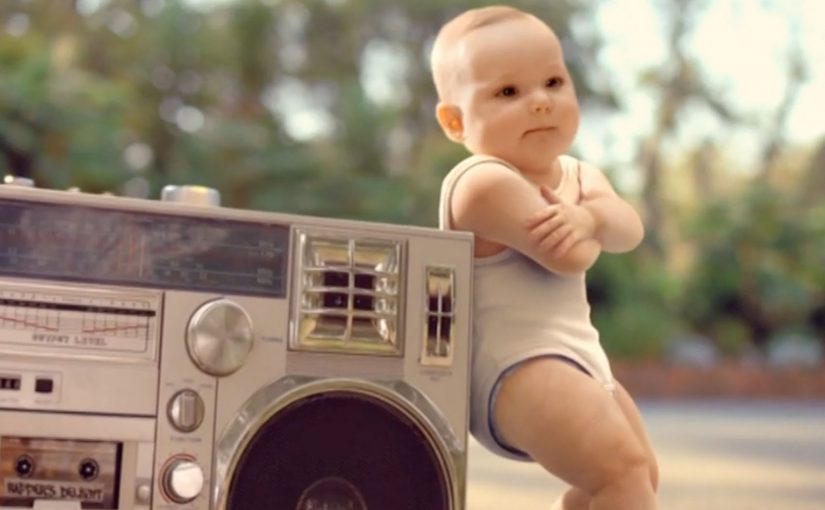
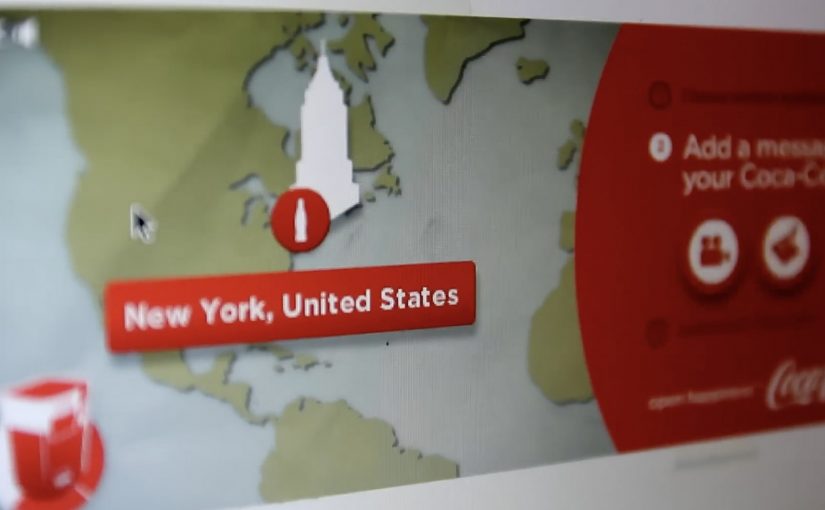
Re-imagining Coca-Cola’s “Hilltop”
Re-imagining Volvo’s “Drive it Like You Hate it”
Re-imagining Alka-Seltzer “I Can’t Believe I Ate That Whole Thing”
Re-imagining Avis “We Try Harder”
Why this format works for marketers
The real question is not whether old campaigns deserve a digital remake, but whether the original strategic idea still produces useful behavior in a connected medium. It forces discipline. You cannot hide behind novelty because the original idea is already known and already strong. That pushes the work to earn its keep through mechanics, not decoration. That works because a proven idea gives the technology a clear job to do, so the audience experiences the promise through behavior rather than explanation. When the core idea is clear, technology becomes an amplifier, not a replacement for strategy.
Extractable takeaway: If you want to explore new tech without producing gimmicks, start with an idea that already proved its emotional truth, then design one modern interaction that makes that truth more immediate.
How to borrow the approach without copying it
- Pick one timeless promise. Strip it down until it fits in a single sentence.
- Define one modern behavior. Sharing, scanning, tapping, responding, connecting. Build around one.
- Make the mechanic do the explaining. The best remakes do not need a voiceover to justify the tech.
- Keep a clear before and after. What stays from the original idea, and what changes because of the medium.
A few fast answers before you act
What is Project Re:Brief?
A Google-led experiment that re-imagines classic campaigns from the 1960s and 1970s using modern technology, guided by the original creative legends behind those ads.
Why remake old ads instead of creating new ones?
Because the originals provide a proven strategic baseline. You can see whether technology strengthens the core idea, or distracts from it.
What does “re-brief” actually mean in practice?
It means taking the original strategy and re-writing the assignment for a new media reality, then building a modern mechanic that expresses the same core promise.
What should a team learn from this kind of exercise?
That strong ideas travel across formats, and that the role of technology is to make the benefit more immediate, more personal, or more connected, not merely more complex.
How do you judge whether a modern remake is successful?
Look for clarity of the core idea, the usefulness of the interaction, and whether the mechanic creates behavior people would repeat or share, not just view.